NOW ON VOD! Writer-director Kazuya Shiraishi’s Dawn of the Felines opens with a dedication “to felines everywhere.” The title suggests admiration for independence, mystery, and survival instinct—the qualities most often associated with cats. Yet the irony of that dedication becomes painfully evident as the narrative unfolds. No cats appear; instead, felines refers to three women, Masako (Juri Ihata), Rei (Michie), and Yui (Satsuki Maue), who work as escorts in Tokyo. The word “dawn” hints at new beginnings, but what the film offers is the opposite. These women are neither liberated nor celebrated but trapped in cycles of exploitation, violence, and despair.

“The women move through streets filled with dubious shops and tired people trying to survive without ever really moving forward.”
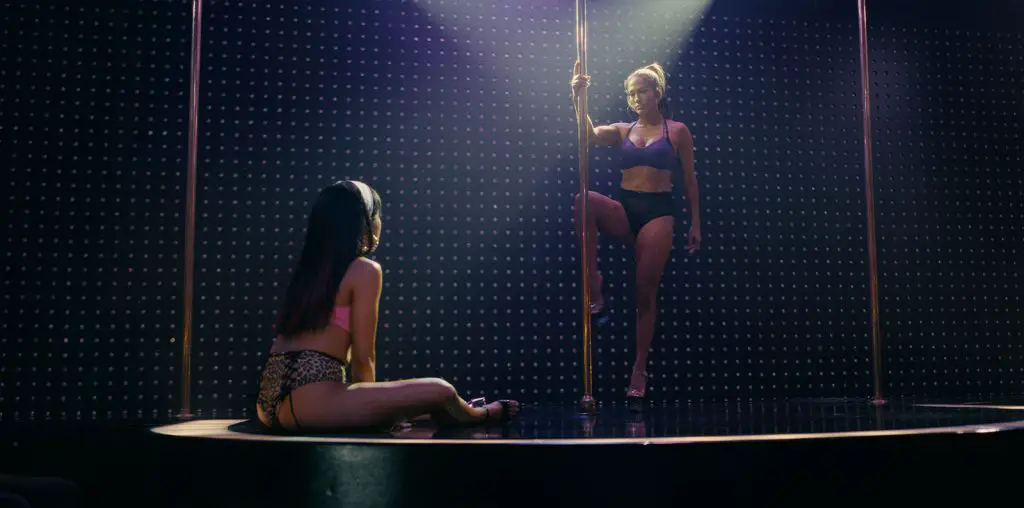
What lingers most is the atmosphere: the city itself. Shiraishi sets his film against Tokyo’s neon-lit underbelly, where back-alley clubs, small apartments, and convenience stores flicker with artificial light. The women move through streets filled with dubious shops and tired people trying to survive without ever really moving forward. That sense of endless night, bright, cold, and isolating, becomes the truest reflection of their lives.
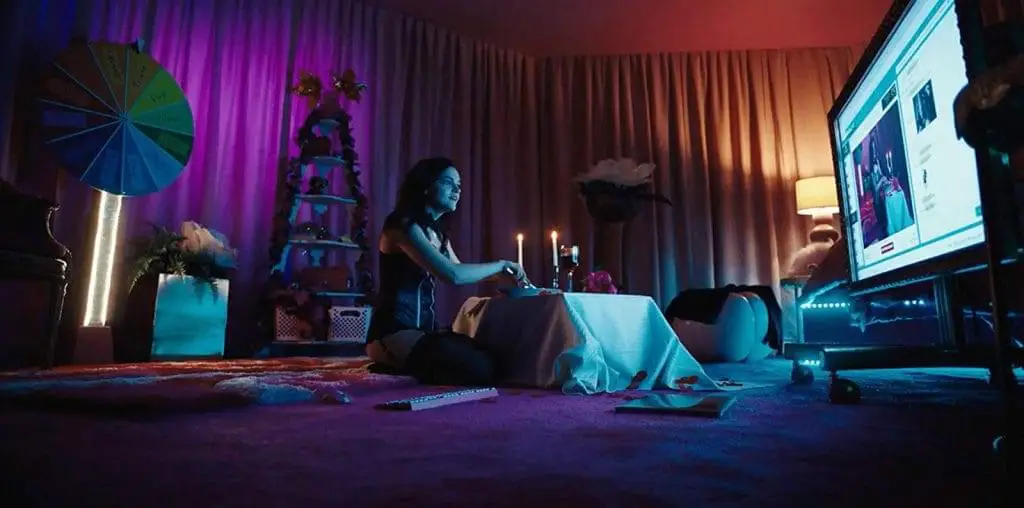
The stories throughout Dawn of the Felines are small, even nihilistic, and filled with a sense of mockery. One woman, Masako, lugs her belongings in a tiny suitcase, technically homeless despite the money she earns, sleeping in cafés or cheap hotels. One of her clients, a wealthy shut-in, offers her shelter, but their relationship is somewhere between business and companionship, always transactional even when they try to move forward.
Another woman, Rei, serves an elderly client who mostly wants to talk but eventually veers into disturbing territory. For her, sex work provides a strange sense of meaning, even liberation, though it is rooted in a cycle of dependency. The third woman, Yui, seeks love, but her attempts collapse into entanglements with clients. Her young son, Kenta, bears worrying bruises and is frequently neglected, left in the care of shady acquaintances.

"…the camera makes the audience complicit."