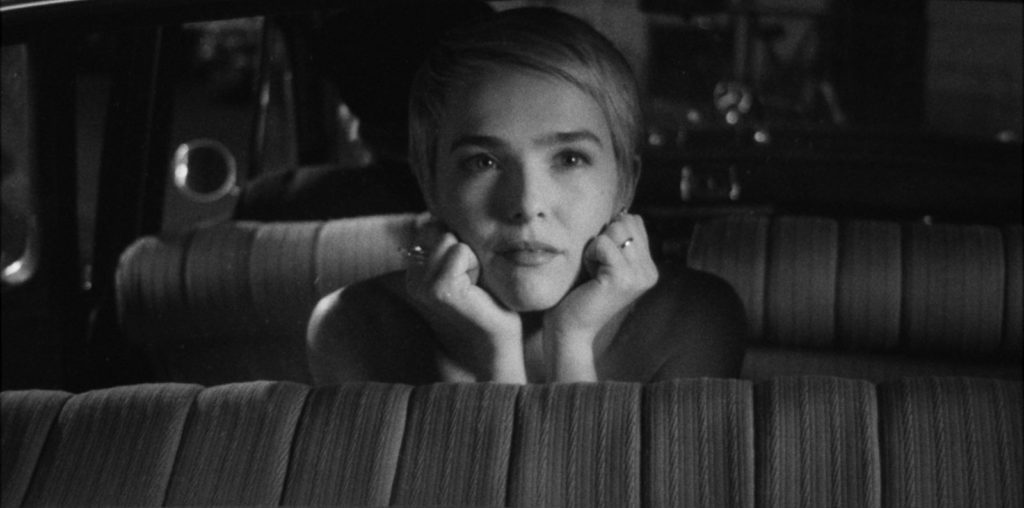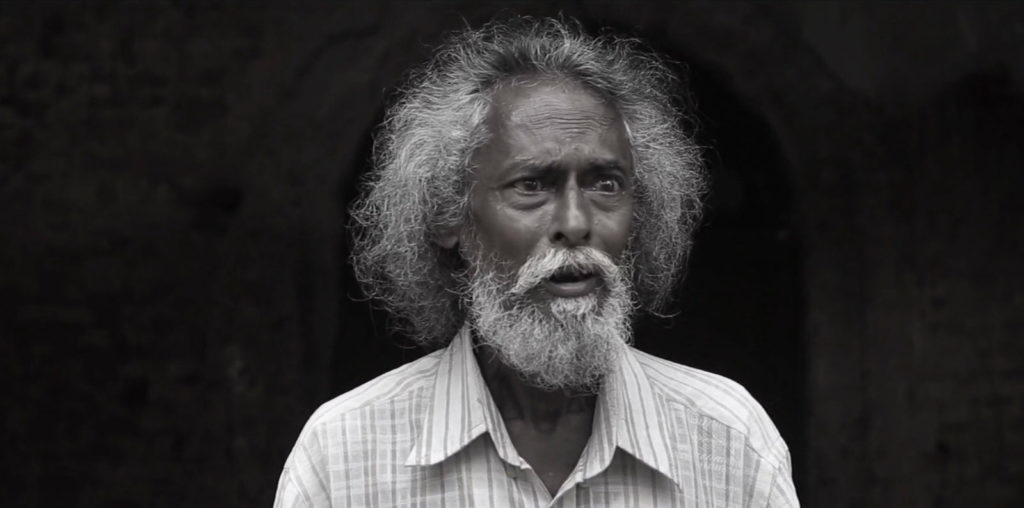
Born from a deceptively simple premise, We Love Everywhere emerges as one of those contemporary films that seek authenticity through the act of putting images on film. During the summer of 2022, by filmmaker and actor Henoc Mboyo and filmmakers wandering through Roma’s Trastevere district, the film was created without a script, relying entirely upon improvised encounters with ordinary passersby who were asked if they would like to be in a scene.
The look of the work immediately evokes the spirit of smaller productions of Italian neorealism. Like the works of directors such as early Vittorio De Sica and Roberto Rossellini, the film rejects polish like the French New Wave with an ad-hoc experience. Yet unlike many contemporary films that imitate neorealism through visual style alone, We Love Everywhere embraces the idea without making it a “museum piece.” The people appearing on screen are not performers pretending to be ordinary individuals; they are ordinary individuals themselves. Their hesitations, uncertainties, and spontaneous reactions become the film’s dramatic substance.
What distinguishes the film from many modern improvisational projects is its refusal to manufacture conflict. There are no grand revelations, no shocking twists except for a clever monologue about a blonde, and no exaggerated climaxes. Instead, the narrative unfolds through a succession of encounters, each revealing a fragment of urban life separated by black frames and sometimes light piano.
In this respect, the film recalls the emotional modesty of the celebrated Italian classic We All Loved Each Other So Much. Ettore Scola’s masterpiece, with some high-powered cameos shifting timelines plus transitions between monochrome and color images, transformed everyday disappointments and friendships into something profoundly moving. Similarly, We Will Love Everywhere understands that the simple act of listening to strangers, of sharing a few moments in a Roman street, becomes quietly significant.
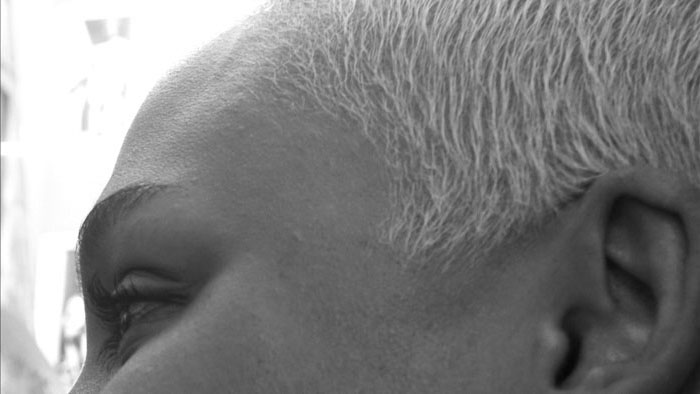
“…relying entirely upon improvised encounters with ordinary passersby…”
Yet the film’s most obvious ancestor is undoubtedly Jean-Luc Godard, particularly his groundbreaking Masculin Féminin. The influence appears not only in the improvisational energy but also in the formal construction. Blackouts interrupt scenes. Words appear printed across the screen, not slogans. Narrative continuity is frequently abandoned in favor of rhythms.
The film shares Godard’s fascination with conversation and chance, but it lacks the irony and cynical satirical tone that often characterized the French director’s work. Instead, there is a warmth and melancholy running beneath the experimentation.
Perhaps the film’s most inspired artistic choice is its musical restraint. Rather than relying upon a conventional score, it repeatedly returns to a reinterpretation of Tchaikovsky’s Swan Lake played with a wonderful, melancholy piano arrangement. Familiar themes become tinged with sadness and longing, transforming the people seen, which is a key theme of Swan Lake. The recurring moments and isolated chords function almost like memory itself returning unexpectedly, altered by experience.
The acting approach further reinforces the film’s commitment to immediacy. Drawing upon methods of character immersion, the central performer (Henoc Mboyo) navigates situations that are not predetermined but discovered in real time. The camera captures not performances but responses, particularly in some of the café moments where one sees astonishing female actors who look right out of Sixties Italian and French Cinema, and demeanor in the background or parts of faces giving dialogue that doesn’t follow what is asked.
Modern independent cinema frequently mistakes intensity for depth, loading every scene with psychological exposition or social commentary. It also does the reverse with such monstrosities as Skinmarinik. We Love Everywhere takes the opposite path. by trusting observation and silence with purpose, not just something tossed in.
Ultimately, We Love Everywhere succeeds because it embraces risk. It combines the street-level authenticity of Italian neorealism, the formal experimentation of the French New Wave, and a contemporary desire to rediscover genuine human connection. In doing so, it reminds us that cinema need not be grand to be profound. Like the best theatre where its actors and light all it requires is a camera, a city street, and the courage to approach a stranger and ask them to share a moment.
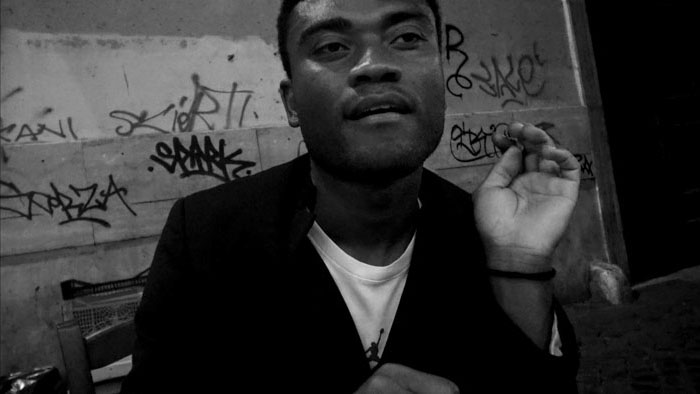
"… the simple act of listening to strangers, of sharing a few moments in a Roman street, becomes quietly significant."