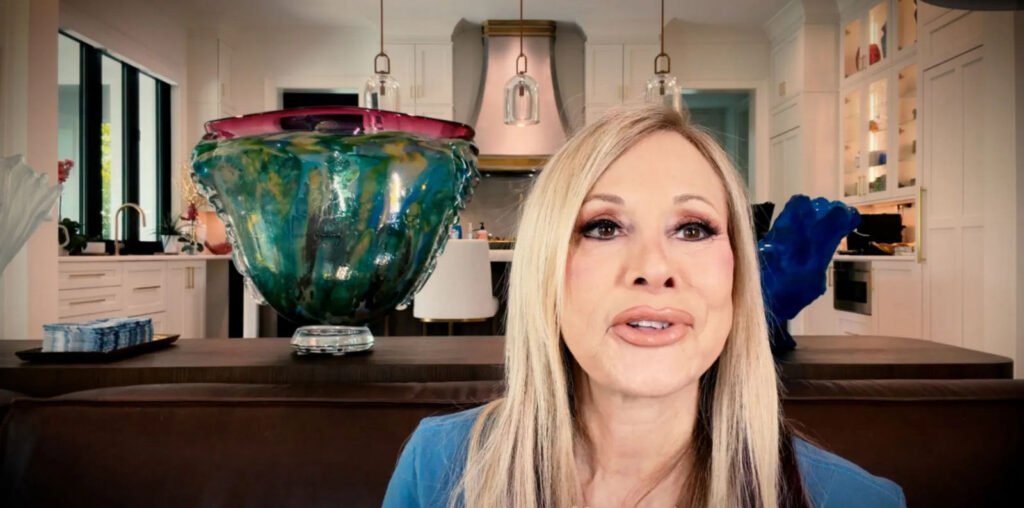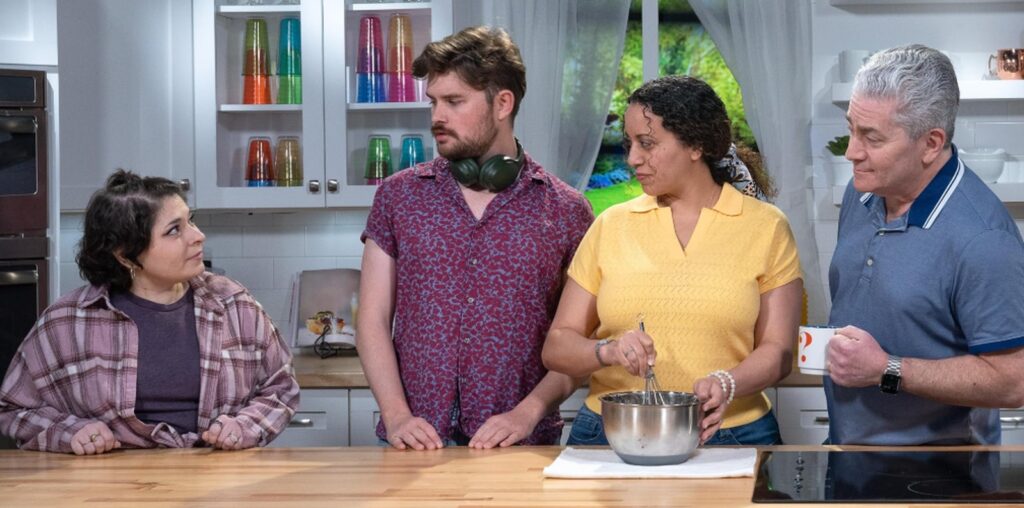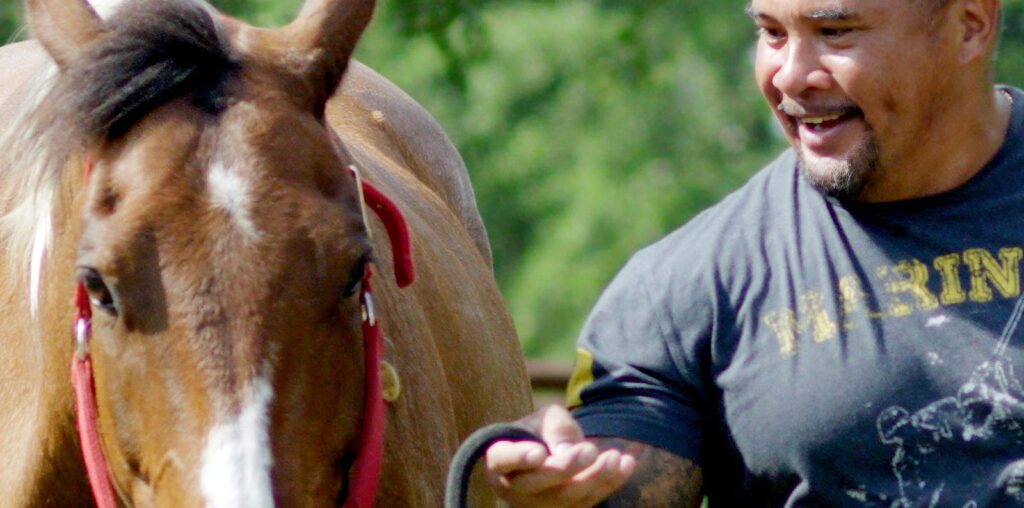
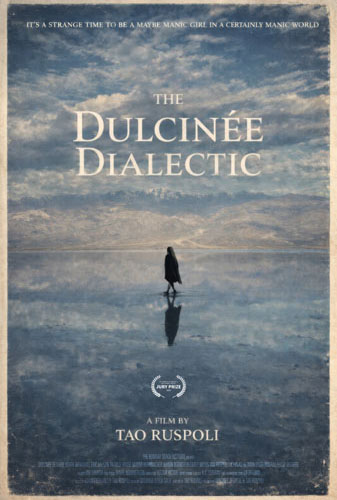
THE SEATTLE FILM FESTIVAL 2026 REVIEW! Director Tao Ruspoli takes viewers on a very intimate and emotional journey in The Dulcinée Dialectic. The filmmaker’s significant other, Dulcinée DeGuere, is a poet, sculptor, and artist. The story begins when DeGuere is diagnosed with bipolar II. Ruspoli, almost instinctively, turns on the camera and documents her highs, lows, and the mania in between. While caring, the artist becomes difficult and even irrational, causing the director to question where he belongs.
In the midst of all this, Ruspoli begins using an artificial intelligence named “Dulcinea.” While able to process what is being said and use the right words to talk about, the machine is unable to process the emotions behind it all. Still, the filmmaker becomes obsessed with its potential. Well, that is until DeGuere calls him out using the philosophers, artists, and writers Ruspoli respects, for treating her illness as a subject and for going into A.I. as an artist himself.
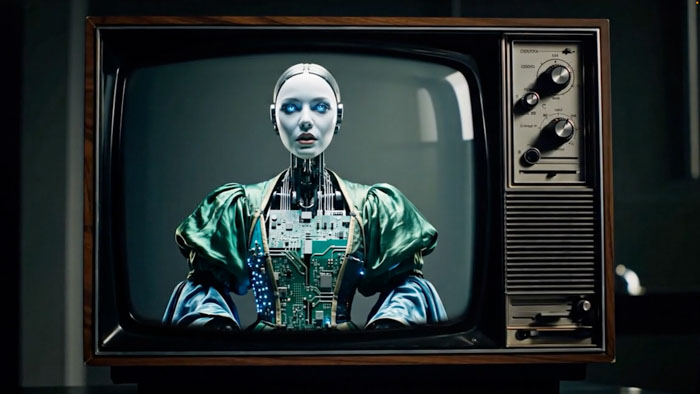
An AI-generated android appears on the screen of a vintage television in The Dulcinée Dialectic.
“…DeGuere is diagnosed with bipolar II. Ruspoli, almost instinctively, turns on the camera and documents her highs, lows, and the mania in between.”
The Dulcinée Dialectic asks many questions; only a few it actually answers. To be fair, only a few are able to be answered by either Ruspoli or DeGuere. The rest are left up to the audience to ponder and come to their own conclusions. And therein lies the power of this combination of AI and intimate portrait of a documentary. It confronts all these issues, but like real life, there often isn’t one simple, easy thing to point to. Things are messy, but there is art in corralling that messiness and making something beautiful out of it. That is true both in art and life.
Not to spoil things, but the ending is hopeful, almost sweet. The way Ruspoli combines the real footage, which can be heavy at times, with AI is clever. The first time it happens does take some getting used to, but once in the rhythm of the presentation, it works. Plus, given the themes of the project, there’s a certain logic to how everything plays out.
The Dulcinée Dialectic asks many important questions about how people live, what they leave behind, what it takes to create art, and how technology is a part of it all. The emotions are raw and honest, and the use of A.I. works far better than one might think before watching the 83-minute documentary. Pour some tea, watch the film, and then take time to digest everything Ruspoli and DeGuere ask, as there’s no one right answer.
The Dulcinée Dialectic screened at the 2026 The Seattle Film Festival.
"…asks many important questions about how people live, what they leave behind, what it takes to create art, and how technology is a part of it all."