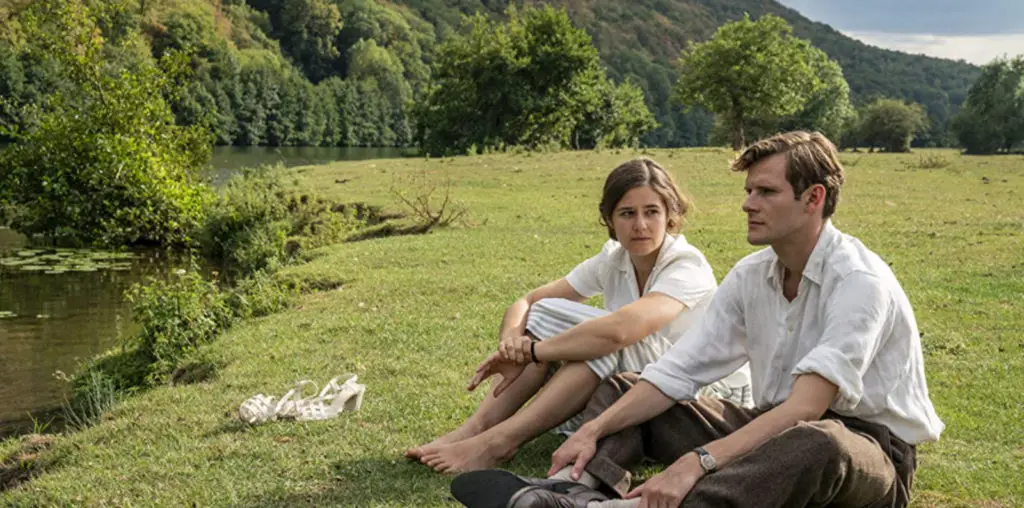
Those who have seen at least a couple of Indie movies might notice how they are focused on risks. Learn about their similarities with Win Bet casino.
Why High Stakes Storytelling Is the Soul of Indie Cinema?
What perplexes many viewers is the incredible budgets of modern blockbusters, which are leading to a decline in original stories in Hollywood. If people want to see truly engaging, rich cinema, they have to turn to indie scripts.
In the world of studio blockbusters with multi-million dollar budgets, the stakes are often global, yet paradoxically impersonal. Saving the world, preventing an alien invasion, stopping a meteorite – all of this sounds epic, but rarely touches the viewer on a deep, existential level. People know the world will be saved because that’s the law of the genre.
In independent cinema, the rules of the game are completely different. There are no budgets for destroying cities, so filmmakers are forced to destroy something far more complex and fragile:
- Human lives.
- Psyches.
- Relationships.
- Moral values.
Risk here is not just a plot element; it is the fundamental foundation upon which the entire film’s architecture is built. The high stakes in independent film are always intimate, local, and therefore incredibly painful. For the hero of an indie film, losing a job or saying the wrong thing to a loved one is a catastrophe of cosmic proportions.
Anatomy of an Indie Screenplay: Tools of Tension
It is important to understand that working on independent films is a risk in itself. There is no guarantee that new ideas, unfamiliar to audiences, will appeal. This is the main reason Hollywood is not currently trying to create new franchises, as it could be a huge loss. Certain structural elements create the high-stakes atmosphere of indie films, and why they remain popular:
- Limited time. This is a surefire way to create tension for the characters, which they will work with throughout the film. For example, when they have only a few hours to pay off debts, deliver a package, or save someone’s life. In such stories, the characters simply have no room for error and must act quickly.
- Localized space. To realize this idea, minimal set design is required, as the film «Saw» once demonstrated. Due to the limited space, the hero has no way to escape problems; they must be dealt with right then and there.
- Isolation. In movies that want to depict a personal story, the hero often works alone. Even if they have an ally, the scenario is focused primarily on what a specific person is going to do in a situation they end up being in at the moment. It creates a paranoid feeling among the viewers and becomes a main reason to watch a specific movie.
- Irreversible consequences. While in big-budget movies people expect their favorite heroes to come back in future films, in indie cinema, mistakes cannot be reversed. When characters die in such movies, in 99% of cases, they are gone for good and never return. In other words, the consequences are fatal and final.
- Moral compromise. As the stakes rise, characters are forced to violate their principles. The audience watches as a good person, under pressure from circumstances, commits terrible acts.
All of this is part of a larger structure – an independent film, where the focus is on the plot, not its scope or the presence of a large cast. This takes the viewer out of their comfort zone and forces them to live a traumatic yet cathartic experience alongside the characters.
The Psychology of Despair and the Roulette Effect
Risk in short films is closely tied to the fact that the characters are simply given no other choice. The heroes of such films are not members of high society; instead, they are portrayed as individuals who have been spurned by good fortune. When a person is driven into a corner, their behavioral patterns change, and they begin to think in terms of extremes.
In some cases, this psychological underpinning becomes the reason why people resort to gambling. For them, gambling becomes an escape. It’s easy to imagine a character in one of these films opening the Win Bet casino website and placing the biggest bet of their life, fully aware that if they lose, they will be lost forever. In independent films, this metaphorical «spin» can last the entire film, leaving the audience breathless.
This is precisely why indie thrillers so often turn to crime themes. Debt and fraud are the perfect environment for raising the stakes. But the essence remains the same: losing what the hero is fighting for is tantamount to death, physical or spiritual.
Hollywood vs. Indie: A Battle of Scale
The way tension is created in cinema can be studied for years. But the contrast is most noticeable to the viewer in the scale of the production. If it is Hollywood, then one often should not expect a strong exploration of the characters’ psychology. It is necessary to compare these approaches to better understand why independent film works so differently.
| Analysis Criteria | Studio Blockbuster | Independent Film |
| Scale of Threat | Global | Personal |
| Nature of Conflict | External | Internal and social |
| Protagonist’s Resources | Unlimited | Extremely scarce |
| Cost of Failure | Abstract for the viewer | Highly relatable |
| Nature of Resolution | Unequivocal triumph of good, return to normalcy. | Open ending, bittersweet victory, defeat. |
Over the past decade, the contrast has become especially noticeable with the rise of superhero cinema. If people want to experience narrative scope and familiar characters, they’ll obviously go see the next Marvel movie. When they want something more grounded and engaging, something that operates at a lower level, they should consider films like Kick-Ass. Big-budget projects focus on extensively expanding the threat, while indie films opt for a surgically precise dive into the psychology of fear.
Independent directors often use a sluggish handheld camera, dirty lighting, and choppy editing to create a documentary effect. The viewer is meant to believe that the film is happening here and now, with real people.
Iconic Examples: When Risk Becomes a Masterpiece
If you are searching for the next masterpiece that would help you to make a routine day a fun one, just take a look at the most famous examples with incredible levels of suspense created with minimal production costs. The following films became cult classics precisely because they elevated the concept of risk to the extreme:
- Uncut Gems. A benchmark example of a high-stakes plot. The film depicts a two-hour panic attack by a jeweler who constantly borrows money to make new bets. Risk is his lifeblood.
- Run Lola Run. A perfect embodiment of the “ticking clock” trope. The heroine has only 20 minutes to get the money and save the guy. The slightest accidents radically change the ending.
- Reservoir Dogs. A classic built on isolation. A group of robbers gathers in a warehouse after a botched robbery. The stakes are high: there’s a traitor among them, and one is bleeding out.
- Whiplash. A high-stakes film beyond crime. A young drummer is willing to destroy himself for the sake of greatness. The risk is existential: become great or break.
- Pi. A mathematician searches for a universal digital code and risks his own sanity. The stakes are the line between genius and utter madness.
These movies perfectly capture that multi-million dollar budgets are not necessary to create a cinematic masterpiece. Human drama and uncompromising spirit are key.
Risk As Therapy
Considering the number of independent films that have successfully exploited the idea of risk, it is safe to say that it truly is a central component of most such works. It’s precisely under these constraints that pure storytelling comes to the fore, where the budget is not inflated by a guest star or the need for a massive battle scene. High stakes force screenwriters to be more inventive and actors to deliver performances at the very limits of their abilities.
When a character onscreen risks everything, we subconsciously project that experience onto ourselves. In the safe darkness of a movie theater, we experience the adrenaline rush of a fight for survival. The future of independent cinema depends largely on the ability of new filmmakers to find new forms of risk, making audiences truly feel. And therein lies the greatest magic of cinema.