For most of film history, audiences watched. They sat in theaters, followed a story, reacted to performances, discussed endings, and waited for the next release. The viewer’s role was active emotionally, but passive structurally. The story moved forward whether the audience did anything or not.
That arrangement has changed. Modern entertainment is increasingly interactive. Viewers vote, comment, stream, pause, replay, share, remix, subscribe, unlock, collect, predict, and participate. The screen is no longer only a window. It is also a control surface.
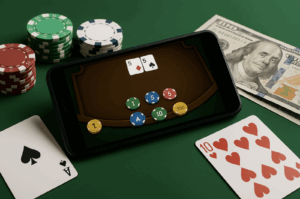
That is where a coins game casino can fit into the wider discussion of digital entertainment. In a social casino-style setting, users interact with casino-inspired games through virtual coins, rewards, events, short sessions, mobile access, and browser-friendly play. The experience is not only visual. It is structured around participation.
The important point is not that coin-based casino-style platforms are the same as movies, streaming, or video games. They are not. The connection is that modern audiences increasingly move between watching, playing, collecting, reacting, and returning across the same devices.
Screen Entertainment Has Become Participatory
Film still matters because people care about story, performance, image, sound, editing, pacing, and emotional impact. But entertainment culture no longer stops when the credits roll.
A trailer becomes a reaction thread. A streaming release becomes a watch party. A franchise becomes a game, a collectible line, a fan theory community, a podcast topic, and a social media debate. Audiences want to do more than receive entertainment. They want to interact with it.
That shift has helped normalize platforms built around choices and feedback.
A user can now open a streaming app, join a live chat, play a mobile game, watch a creator stream, enter a digital community, or browse an interactive platform from the same phone.
The audience is still watching, but it is also clicking, selecting, collecting, and responding.
Digital Entertainment Is Built Around Interaction
This broader shift in was covered in this article on how digital entertainment has become more interactive. The piece discusses live streaming, online gaming, watch parties, responsive interfaces, and game-like features that now appear across entertainment platforms.
That context matters because coin-based game platforms belong to the same larger movement.
Modern entertainment is not only judged by what appears on screen. It is judged by what the user can do with the screen.
Can they participate?
Can they return later?
Can they collect something?
Can they follow progress?
Can they join an event?
Can they understand the rules?
A strong platform makes those interactions clear from the first session.
Coins Create a Digital Entertainment System
Coins are one of the most familiar symbols in digital entertainment.
They appear in mobile games, loyalty apps, casual games, reward systems, arcade-style games, and social casino-style platforms. The symbol is simple, but the meaning changes depending on the platform.
In a social casino-style setting, virtual coins usually help structure the experience. Users may receive coins through sign-up offers, daily rewards, missions, events, promotions, or other platform features. Those coins are then used inside the platform according to its rules.
That system can be useful because it gives users something visible to track.
But visibility is not enough.
Users should understand how coins are earned, how they are used, whether they expire, whether different coin types exist, and whether optional purchases are available.
A coin system should make the platform easier to follow.
It should not create confusion.

Why Virtual Currency Feels Familiar to Modern Audiences
Modern audiences already understand digital value systems.
A streaming platform may use subscriptions, profiles, downloads, recommendations, and watchlists. A mobile game may use energy, gems, points, credits, skins, unlocks, and reward tracks. A creator platform may use memberships, badges, tiers, and live reactions.
Virtual coins fit into that broader language.
They are part of the way platforms organize participation.
For coin-based casino-style entertainment, the challenge is not only to make the coin system visible. It is to make it understandable.
A user should never have to guess what a coin means, where it came from, how it can be used, or what rules apply.
The clearer the system, the stronger the user experience.
Rewards Give the Screen a Return Rhythm
Film creates anticipation through release calendars, trailers, festivals, reviews, interviews, and premieres. Streaming creates return behavior through weekly episodes, recommendations, and watchlists. Games create return behavior through progress, unlocks, rewards, and events.
Coin-based casino-style platforms often use rewards in a similar way.
A user may receive a daily reward, mission reward, event reward, leaderboard reward, or seasonal reward. These features can make a short session feel complete and give users a reason to check what is new.
But rewards need plain explanations.
Users should know what they received, how it can be used, whether it expires, and whether any terms apply.
A reward should create clarity and rhythm.
It should not feel like a hidden contract.
Events Make Platforms Feel Current
Entertainment depends on timing.
A film festival changes the conversation for a week. A trailer drop can restart interest in a franchise. A streaming finale can dominate social media for a weekend. A live event can turn a passive audience into a real-time community.
Digital platforms use events for the same reason.
A social casino-style platform may include daily missions, weekend challenges, leaderboard races, seasonal campaigns, themed games, or limited-time rewards.
Events can make a platform feel active instead of static.
But event rules must be easy to understand.
Users should know how to participate, when the event begins, when it ends, what rewards may be connected to it, and whether conditions apply.
A clear event adds energy.
A confusing event breaks the experience.
Short Sessions Match Modern Viewing Habits
People do not consume entertainment in one fixed way anymore.
Someone may watch a full movie at night, a trailer during lunch, a review before work, a short clip in a waiting room, and a few minutes of a mobile game before bed.
Short-session entertainment fits this fragmented pattern.
A coin-based casino-style platform can work well when users can open it quickly, understand what is available, check coins or rewards, browse games, and pause without losing track.
The platform should respect interruption.
A user may stop because a film begins, a call arrives, a ride shows up, or the day simply moves on.
Good short-session design helps entertainment fit around life instead of demanding that life fit around the platform.
Cinematic Design Still Matters
Even interactive platforms borrow from cinema.
Lighting, color, sound, pacing, framing, visual rhythm, and character-like themes can shape how users feel inside a digital experience. A game can feel dramatic, playful, classic, futuristic, seasonal, or adventurous before a user reads a single rule.
Coin-based casino-style platforms often use this kind of visual language.
Symbols, backgrounds, sound cues, animations, reward screens, and themed games all help create atmosphere.
But cinematic design should support clarity.
A polished visual style cannot replace clear rules. Users still need to understand coins, rewards, events, account settings, support, privacy information, and responsible-use tools.
Good design combines mood with explanation.
Game Libraries Need Curation
Film audiences understand curation.
A festival program, critic list, streaming row, recommendation engine, or awards shortlist helps viewers decide what to watch. Without curation, a large library can become overwhelming.
Game libraries have the same challenge.
A coin-based casino-style platform may include slot-style games, card-inspired formats, themed games, seasonal titles, event-linked games, and bonus feature games.
Users need a way to browse.
Helpful discovery tools may include categories, search functions, featured games, recently played sections, new game labels, event tags, and simple menus.
A strong platform helps users choose quickly.
A weak platform makes the library feel like an endless scroll of posters with no guide.
Mobile Access Is Part of Screen Culture
Modern screen culture is mobile.
People watch trailers, read reviews, check showtimes, stream clips, join conversations, follow awards news, and play games from phones and tablets.
A coin-based casino-style platform should fit that same environment.
Games should load smoothly. Menus should be readable. Buttons should be easy to tap. Coin balances, rewards, event details, account settings, support, privacy information, and responsible-use tools should be easy to find.
Mobile access is not a secondary feature.
For many users, it is the main experience.
If the mobile version feels slow or confusing, the platform loses trust before the user understands what it offers.
Browser Play Reduces Friction
Browser-based access can make interactive entertainment easier to explore.
A user may not want to download an app, approve permissions, manage storage, or wait for updates before trying a platform.
A browser-friendly experience can work from a phone, laptop, tablet, or Chromebook.
But browser access should still feel complete.
Games should display clearly. Pages should load smoothly. Rewards and coin balances should be visible. Support, account settings, terms, privacy information, and responsible-use tools should be easy to locate.
Low-friction access only helps when the platform remains clear after the user arrives.
Trust Signals Are Part of the Experience
Film audiences know how to evaluate credibility.
They compare reviews, watch interviews, follow industry news, question marketing campaigns, and notice when something feels unclear or overpromised.
Digital platform users need the same critical approach.
For coin-based casino-style entertainment, trust signals include clear terms, privacy information, support options, account settings, virtual coin rules, reward explanations, event details, notification controls, and responsible-use tools.
These details should be easy to find.
A platform that explains itself clearly feels more reliable.
A platform that hides important information creates doubt.
Trust is built through transparency.
Responsible Use Should Be Visible
Casino-inspired digital entertainment should be treated as casual entertainment.
Users should be able to manage notifications, review account settings, access support, and find responsible-use tools when needed.
These controls should not be hidden.
A strong platform gives users control over how the experience fits into their routine. It helps them decide when to engage, when to pause, and how to understand the rules.
Responsible-use features are not separate from the product.
They are part of a better user experience.
What Users Should Check Before Joining
Before using any coin-based casino-style platform regularly, users can follow a simple checklist.
Does the platform explain its model clearly?
Are coins easy to understand?
Are rewards transparent?
Are events simple to follow?
Is the game library organized?
Does mobile access work smoothly?
Is browser access reliable?
Are support options visible?
Are account controls easy to find?
Are responsible-use tools available?
These questions help users look beyond surface-level design.
A visually polished platform is useful, but clarity is what makes the experience easier to trust.
Why This Topic Fits Film Threat Readers
Film Threat readers understand screen culture.
They follow cinema, streaming, franchises, adaptations, digital storytelling, audience behavior, and the way entertainment keeps changing as technology evolves.
Coin-based casino-style platforms fit that conversation when they are framed through interactive entertainment rather than only game mechanics.
The topic is about how audiences move from watching to participating.
They stream, comment, collect, play, predict, return, and interact across the same devices.
A strong platform understands that shift and gives users clear systems to navigate.
The Interactive Screen Takeaway
Coin-based casino-style platforms can fit the modern entertainment landscape because screen culture has become more interactive, mobile, and participation-driven.
The strongest platforms explain coins clearly, make rewards and events easy to understand, organize game libraries well, support browser and mobile access, and provide visible account tools, privacy information, support, and responsible-use features.
For users, the best experience is not only the one that looks exciting.
It is the one that feels transparent, easy to navigate, and clear from the first session.