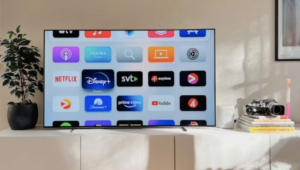
Entertainment today is not just about watching or playing. You can now engage, respond, and interact in real time with digital entertainment platforms.
Whether you are watching a live stream, playing a multiplayer game, or following a live sporting event, interaction is often at the core of the experience rather than an added feature.
Whether you are watching a movie, reading a book, or playing online games, technology continues creating new ways to experience digital entertainment. For another type of entertainment, check out Soft2Bet.
1. Live Streaming Creates Real-Time Engagement
Live streaming has made digital entertainment more social. Instead of only viewing content, people can experience live events and interact during them in real time. Because events and audience reactions happen in real time, the experience can feel more immediate and connected than traditional broadcasting.
Chat functions on live streaming services can create a continuous conversation with the other viewers throughout the stream. Viewers can express their opinions about what is happening in the stream, react to highlights of the stream, and respond to any unexpected moments that may occur in the stream. This creates a similar experience to watching a movie or TV show with your friends and having the ability to express your feelings to other people watching the same thing.
Polls, emoji reactions, and live questions add another layer of viewer participation. Often creators use their viewers’ feedback to discuss different topics during a stream. This makes viewers active participants in the discussion, not just observers.
Live streaming is especially visible in sports and online gaming, where fans can put forward their tactics and predict outcomes before the match has begun. Fans can then comment on the match together, react to key moments, and celebrate major plays in real time. Instead of being an occasional feature, live streaming has become a common way to experience live events.
2. Live Dealer Games Boost Player Interaction
Live dealer games combine traditional table games with modern streaming technology. Professional hosts manage each session while users follow the action in real time. This approach creates a more personal and engaging environment than automated alternatives.
Many platforms allow players to chat directly with dealers and other participants. Conversations between hands add a social dimension that mirrors many aspects of in-person gaming. The result feels more interactive throughout every session.
Many users who play real money casino games appreciate live formats because every decision unfolds alongside real cards, wheels, and dealers. Streaming technology captures each moment while interactive features allow participants to react naturally as games progress.
The experience continues evolving through high-definition video, multiple camera angles, and responsive interfaces. These features help players stay connected throughout each round. Live dealer games have become one of the clearest examples of how digital entertainment encourages continuous participation instead of passive observation.
3. Social Features Connect Digital Audiences
As entertainment shifts to becoming more of a digital, shared experience, users can now play and interact with others across the globe within a variety of entertainment experiences. The connections users form while participating in entertainment experiences can become just as important as the main experience itself.
Leaderboards, achievements and friend lists encourage interaction. Users can compare their progress with that of their friends, and cheer each other on when reaching a milestone. Moreover, they can even challenge each other to a competition. This often leads to hours of discussions about your gaming experiences on different platforms.
Watch parties are also becoming increasingly common, enabling users to watch a movie or live sporting event or TV show and leave comments while watching in real time. Many users take part in watch parties and share their excitement with fellow viewers in real time while viewing the content on the same platform. This means that users can experience entertainment together as if they were in the same room.
As forms of entertainment these social tools can be added to existing forms of entertainment and strengthen long-term engagement with the core content. As users return to new content, they also return to the community that has developed around the core entertainment.
4. Personalized Content Adapts to Preferences
Personalization now plays a major role in digital entertainment. First of all, streaming platforms study the behavior of their users (views, searches, interactions and other activity), and use that information to suggest more relevant content. Over time every individual interaction with a service becomes more and more personal.
Recommendation systems can make entertainment platforms easier to use by suggesting content based on a user’s past choices. This is particularly effective in the case of very large media libraries, in which a traditional search would be too time-consuming.
Many platforms even allow users to modify the interface of the service, the frequency and form of notifications as well as the categories under which they can filter their entertainment offer. The changes that users can make often are very fine-grained and in the end enable them to use the service in a way that best suits their individual needs when using it for everyday purposes.
Personalized recommendations are also updated continuously with new content. As a result, users are offered a broad and current range of entertainment while at the same time their individual interests are taken into account.
5. Gamification Elements Encourage Active Participation
Many entertainment platforms now include game-like features beyond traditional gameplay. Progress bars, achievement badges, and reward systems encourage continued participation across a wide range of digital experiences. Small accomplishments help create lasting engagement.
Challenges provide clear goals for players to complete. Daily activities, seasonal events, and milestone tracking introduce fresh objectives that encourage regular interaction. These features add variety without changing the primary experience.
Rankings also contribute to long-term participation. Comparing achievements with friends or broader communities introduces friendly competition that motivates continued involvement. Progress becomes something players actively monitor throughout their time on a platform.
Streaming services, fitness applications, and educational platforms all use gamification successfully. These familiar features transform routine activities into more interactive experiences. By rewarding participation, gamification encourages audiences to remain actively involved instead of simply consuming content.

Interaction Is Now Part of the Experience
Digital entertainment continues moving toward experiences that encourage participation instead of observation alone. Live streaming, social features, personalization, gamification, and live dealer experiences all contribute to deeper engagement across different platforms.
Users now expect opportunities to interact, communicate, and influence their entertainment in real time. As technology continues advancing, interactive experiences will remain at the center of how audiences connect with the digital content they enjoy most.