
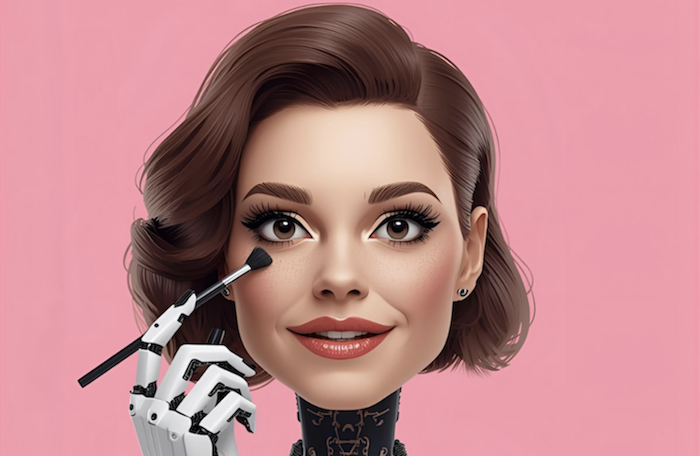
When Hollywood unveiled Tilly Norwood in late 2025, reactions ranged from excitement to horror. She’s not a human actor – she’s a fully AI-generated actress, created by the Xicoia studio under Particle6. Yet actors’ unions, critics, and fans alike are asking the same question: can we trust what we see?
In a world where AI already suggests what you should buy before you even browse, Tilly Norwood is a provocative indicator of how identity, trust, and entertainment are evolving, and how deception might become the new normal.
Meet Tilly Norwood: The Actress Who Doesn’t Exist
Tilly was introduced at the Zurich Film Summit via a short AI-generated sketch called AI Commissioner. She speaks with a British accent, posts Instagram images, and is being pitched as a “digitally native” actor with her own backstory. SAG-AFTRA quickly condemned the project, calling it a “synthetic performer” built using unlicensed work from real actors.
Her creator, Eline Van der Velden, argues Tilly is a creative tool, not a replacement for human artistry. But the industry backlash is fierce: Emily Blunt, Whoopi Goldberg, and dozens of actors have publicly decried the move.
Some talent agencies reportedly are interested in “signing” her – or at least representing her AI persona. Whether that’s real or PR spin is still emerging.

The Trust Paradox: Her Face, Our Faith
What’s so unsettling about Tilly Norwood isn’t just that she’s synthetic, it’s that she looks believably real. Her existence underscores a grotesque power shift: if you can’t trust your eyes, you’re vulnerable.
This same logic is at play in deepfake celebrity scams, fake celebrity endorsements, and crypto impersonation frauds. Scammers impersonate Musk, Swift, or other icons to push bogus tokens or gambling sites. The confidence with which they operate comes from a perverse kind of faith – that people will believe the image before questioning it.
In that sense, Tilly is more than a novelty. She’s a test case: how far will we let the illusion go before demanding evidence?
AI Knows What You Want – And Means to Push It
The Tilly Norwood phenomenon also dovetails with a trend in AI retail: predictive shopping. According to a marketing insight piece, some AI systems already “know what you want before you do.” They analyze your tastes, history, and behaviors, and funnel you toward what you’re most likely to buy.
This predictive persuasion is a cousin to synthetic identity: once AI knows your tastes, they feed you images and personas (like Tilly) that mirror your desires. In crypto or gaming, that means a “celebrity casino promo” might be tailored to you – familiar face, perfect offer, low friction.
As AI learns more about your patterns, it becomes easier to slip in deceptive offers under the guise of personalization.
The Cost of Illusion: Where Deception Becomes Danger
When a face doesn’t reveal a person, deception becomes a weapon. Here’s what’s at stake:
- Job displacement – Tilly may one day take roles humans would otherwise play. SAG-AFTRA warns this undermines human creativity.
- Identity theft escalation – synthetic faces could be used to impersonate real people in scams, deepening fraud.
- Consumer trust erosion – when audiences feel deceived, they’ll withdraw from media, brands, or platforms that blur lines.
- Crypto fraud amplification – fake celebrity endorsements feeding gambling or token schemes become more convincing when AI personas like Tilly normalize synthetic authenticity.
How to See Through the Hologram
In this new landscape, skepticism is your best defense. Whether in film, crypto, or media, here are strategies:
- Demand provenance. If an actor is AI, the credits, studio, or code should be transparently stated.
- Cross-verify endorsements. A “celebrity promo” should appear across verified channels before you believe it.
- Don’t gamble on illusions. If a casino, token, or site is promoted via AI or celebrity image, check reputable resources. LuckyHat’s Crypto Casinos directory curates operators that offer auditability and responsible practices.
- Use verified platforms. Visit LuckyHat.com to explore guides on safe platforms, fair gaming, and how to spot synthetic manipulations.
- Question everything haute couture or “just for you.” If AI knows your tastes, it may also feed you what it wants you to believe is trustworthy.
The Future of Belief
Tilly Norwood is more than an AI stunt – she’s a mirror for society’s shifting notions of authenticity. In film, she raises literal questions: can we assign agency, rights, or even payment to a character who never lived? In crypto, she exposes how easily trust can be manufactured.
For audiences, players, creators, and consumers, the new question isn’t “what is real” but “what deserves faith.” And in a world where a non-person might headline in Cannes, it’s on us to decide.