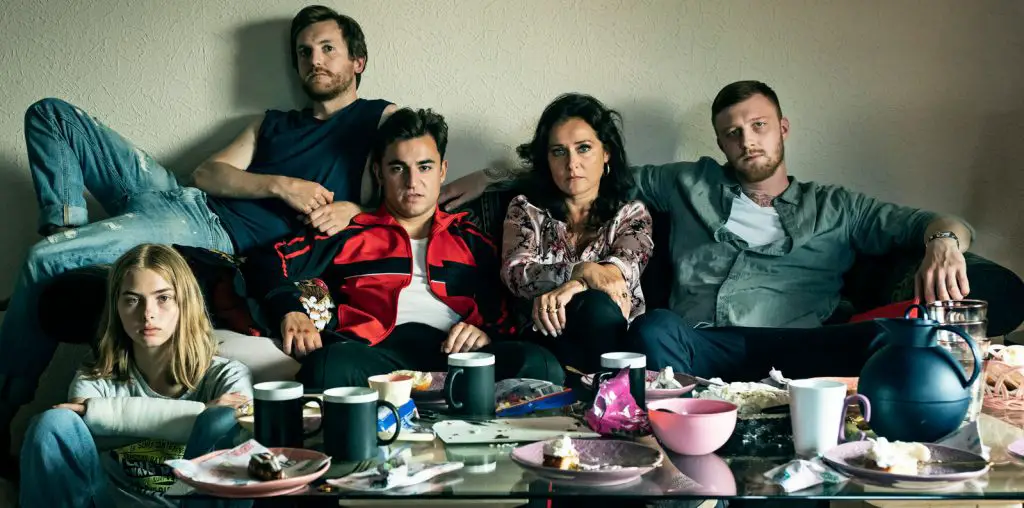
Doug Liman’s Killing Satoshi dramatizes Bitcoin’s origins. But the real story is what people are doing with crypto now, from speculation to no-KYC casinos reshaping online gambling.
From Satoshi to Reality: What the New Bitcoin Movie Gets Right About Risk
Doug Liman’s upcoming crypto thriller Killing Satoshi arrives at a moment when the technology it dramatizes has already reshaped entire industries. The film asks who created Bitcoin. The more interesting question might be what people are doing with it now.
The premise is irresistible. A mysterious figure invents a system that could upend global finance, then vanishes. No interviews. No photos. Just a name that might not even be real. Satoshi Nakamoto left behind the blockchain and walked away from what became a trillion-dollar asset class.
That kind of origin story practically writes itself, and Hollywood noticed. Killing Satoshi puts Casey Affleck and Pete Davidson at the center of a thriller built around control, secrecy, and the idea that one anonymous person rewired how money works. Director Doug Liman, who turned Jason Bourne into a franchise, clearly sees the cinematic potential in decentralized finance.
But while the film looks backward at Bitcoin’s creation, the real story has already moved forward. The technology that started as a whitepaper is now embedded in industries that have nothing to do with speculation or investment. One of the clearest examples is online gambling, where no-KYC crypto casinos have built entire platforms around the same principles the movie dramatizes: anonymity, speed, and freedom from centralized oversight.
What the Film Gets Right
Bitcoin did not just introduce a new currency. It introduced a new relationship with money itself. For the first time, people could transfer value across borders without banks, without approval processes, without waiting three to five business days for a wire to clear. That shift was not incremental. It was structural.
The film reportedly frames this as a battle between individuals and institutions, which tracks with how early adopters actually understood the technology. Bitcoin was never just about getting rich. It was about opting out of systems that required trust in third parties. The whole point was removing the middleman.
Liman has described the project as an exploration of “what money means and who controls it.” That framing resonates because it captures something true about why Bitcoin matters beyond its price. The mystery of Satoshi is compelling, but the lasting impact is philosophical: what happens when you build a financial system that nobody owns?
What the Film Cannot Show
Movies work in narrative arcs. They need heroes, villains, and resolution. Bitcoin does not offer any of that cleanly.
The technology is not neutral. The same features that enable financial freedom also enable fraud, scams, and transactions that cannot be reversed. When funds are stolen, there is no customer service line to call. The system works exactly as designed, which is both its strength and its vulnerability.
This tension between freedom and risk is where Bitcoin becomes more than a financial tool. It becomes a mirror for how people handle autonomy. Some users thrive. Others get burned. The outcome depends entirely on understanding what the system actually is, not what anyone wishes it were.
A two-hour thriller cannot capture that ambiguity. It can dramatize the mystery of Satoshi, but it cannot show the millions of small decisions people make every day when using cryptocurrency for real purposes.
Where the Story Actually Lives Now
If you want to see how Bitcoin’s philosophy plays out at scale, look at online gambling.
Crypto did not invent the casino. But it changed the mechanics completely. Deposits that once took days now take minutes. Verification processes that required uploading documents and waiting for approval can be bypassed entirely on platforms designed around blockchain transactions.
For players, this means faster access and more privacy. For regulators, it raises questions about oversight and protection. The same anonymity that attracts users also reduces the safeguards that traditional casinos are required to maintain.
This is the real-world version of what Killing Satoshi explores in fiction. A system built without central authority, adopted at scale, forcing everyone involved to navigate the tradeoffs themselves.
As Hollywood continues to explore crypto on screen, the gap between cinematic drama and everyday reality keeps widening. The movie shows creation. The world shows adoption. Both tell part of the story.
The Risk Economy
Liman’s film reportedly frames Bitcoin as a rebellion against traditional finance. That narrative works dramatically, but it undersells something more fundamental: risk itself.
Bitcoin is not safe. It was never designed to be safe. The entire premise is that users accept responsibility for their own assets in exchange for freedom from institutional control. That bargain attracts a certain kind of person, someone comfortable with volatility who prefers autonomy over protection.
The same psychology drives crypto gambling. Players who choose Bitcoin-based platforms are not just looking for convenience. They are opting into a system where the rules are different, where speed and privacy come with fewer backstops.
This is the thread that connects Satoshi’s original vision to how people actually use the technology today. Freedom and risk are not separate features. They are the same feature, experienced differently depending on who you are and what you are trying to do.
What Matters More Than the Mystery
The identity of Satoshi Nakamoto makes for great cinema. But the question of who created Bitcoin matters less than what happened after.
Millions of people now use cryptocurrency for transactions that have nothing to do with investment or speculation. They send money across borders. They access services that would otherwise be unavailable to them. They participate in economies that exist entirely outside traditional banking infrastructure.
That adoption happened regardless of whether anyone ever discovers who Satoshi really was. The technology works because it does not depend on trust in a founder. It depends on math, on code, on a decentralized network that nobody controls.
The film tells a story about creation and mystery. The world tells a different story, one about behavior, adoption, and the consequences of building systems that work exactly as designed.
Bitcoin started as an idea published by a pseudonym.
Now it is an ecosystem.
And in corners of the internet from crypto documentaries to online casinos, that idea is not just being discussed. It is being used.