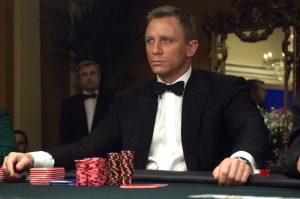
There’s something about a casino table that just works on screen. Maybe it’s the tension, maybe it’s the characters circling each other like predators, or maybe it’s the simple fact that everything can change with one card. From smoky backroom poker games to polished Las Vegas floors, films have long used the tables as a stage for human drama, and they rarely waste the opportunity.
Take the classic Rounders (1998), a film that practically became a handbook for poker fans. It dives deep into players’ minds, blending strategy with personality in a way that feels authentic yet cinematic. The characters, especially the unpredictable Teddy KGB, give the game texture. It’s not just about winning a hand; it’s about reading people, surviving bad beats, and knowing when to push everything in. That balance of skill and chaos is exactly what makes poker so watchable. It taps into that universal pull, which is why this genre of gaming is popular with every leading online casino.
Then you’ve got The Hustler (1961), which swaps cards for pool but keeps the same high-stakes energy. Paul Newman’s Eddie is chasing more than money. He’s chasing validation, identity, and something close to self-destruction. The film shows how gambling culture stretches beyond casinos and into any environment where risk and ego collide. It’s gritty, a little uncomfortable at times, and completely absorbing.
Modern takes haven’t lost that edge. Uncut Gems (2019) throws subtlety out the window and drags viewers into a relentless spiral of bets, debts, and desperation. Adam Sandler’s Howard Ratner is constantly chasing the next win, convinced that the big one is just around the corner. The film captures the chaos of gambling better than most, where every decision feels urgent and every outcome could fix everything or make it worse.
Not every film plays it straight, though. Ocean’s Eleven (2001) flips the perspective entirely, turning the casino floor into a playground for a slick heist. The tables are still central, but now they’re part of a larger system to exploit. It’s less about luck and more about precision, timing, and outsmarting the house. The glamour is dialed all the way up, but underneath the charm, it still leans on the same idea: casinos are places where risk defines everything.
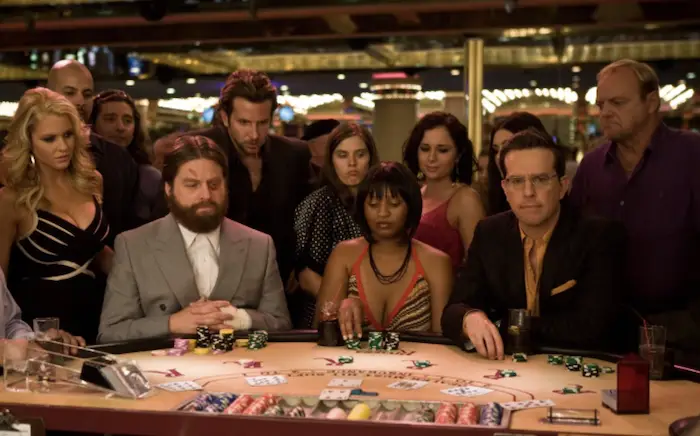
Of course, not all portrayals are stylish or controlled. The Hangover (2009) shows the messier side of the casino experience. It’s chaotic, unpredictable, and driven by impulse rather than strategy. The blackjack table becomes just another part of the madness, highlighting how quickly things can spiral when discipline goes out the window. It’s exaggerated for laughs, but the underlying truth feels familiar.
Some films go even further into the mechanics behind the tables. 21 (2008) explores card counting, focusing on the idea that skill can tilt the odds, at least temporarily. It’s a story about intelligence and teamwork, but also about how quickly success can lead to overconfidence. Similarly, Breaking Vegas and other documentaries dig into real-life attempts to beat the system, showing that even when players find an edge, the house doesn’t stay passive for long.
And then there are films like The Sting (1973), which step outside the casino but keep the spirit of gambling alive. The con at the centre of the story feels like one long, elaborate bet, built on timing, deception, and nerve. It reminds you that gambling isn’t just about cards or chips. It’s about reading situations and taking calculated risks.
Across all these films, one thing stays consistent. The tables aren’t just props. They’re pressure cookers. Whether it’s a quiet poker stare-down or a frantic all-in moment, they force characters to reveal who they really are. Skill matters, luck matters, but mindset matters more than anything.
That’s why casino scenes keep coming back. They’re simple on the surface but loaded underneath. And as long as stories are built on risk and reward, the tables will always have a place in the spotlight.