So, who is the real Matt Hagen? The actor he was before the attack, the injured man trying to rebuild his career, or the creature he becomes? The Ship of Theseus offers a useful comparison. This philosophical thought experiment asks whether an object remains the same when its parts are gradually replaced until none of the originals remain. Matt’s body undergoes a similar transformation, but his identity is shaped by more than his physical form. His memories connect him to the person he was before the attack, while his choices and pursuit of revenge change who he becomes. Restoring his face cannot undo those experiences, just as changing his body doesn’t erase the person he has become.
This conflict becomes especially disturbing when Matt gains the ability to shapeshift. After the experimental treatment restores his face, he reaches a point where he calls himself a monster and transforms his body into something mangled, with the right side of his face appearing burned away and stretched. The image is disturbing because Matt’s appearance is no longer simply something that has been done to him; it is something he can actively reshape. The man who once believed his face was essential to his identity can now alter his entire form, yet he still cannot return to the life he wants. His ability to change what he looks like only makes his loss of control over his identity more apparent.
Matt’s story also speaks to what happens when we build our identities around what we do or how others perceive us. For someone whose career depends on being recognized and admired, losing that recognition can feel like losing a part of themselves. Matt doesn’t just lose his appearance; he loses the future he imagined for himself as an actor and struggles to see any alternative. Rather than accepting that his life might look different from what he expected, he becomes increasingly determined to reclaim what was taken from him. That determination eventually leaves him with even less than he started with.
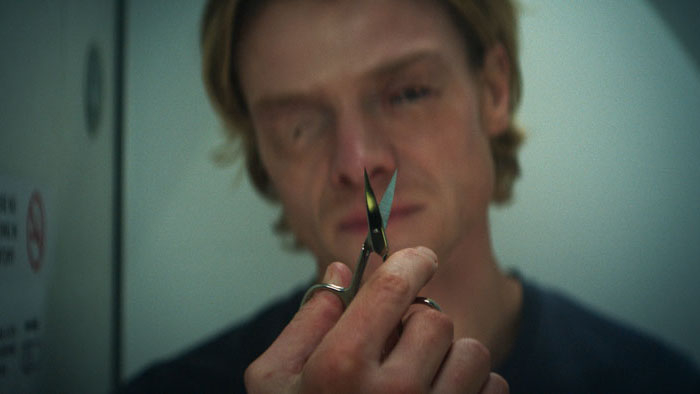
Matt Hagen holds up a pair of small scissors in a bathroom in Clayface.
“Clayface takes the pressure to maintain a particular image to a horrifying extreme…”
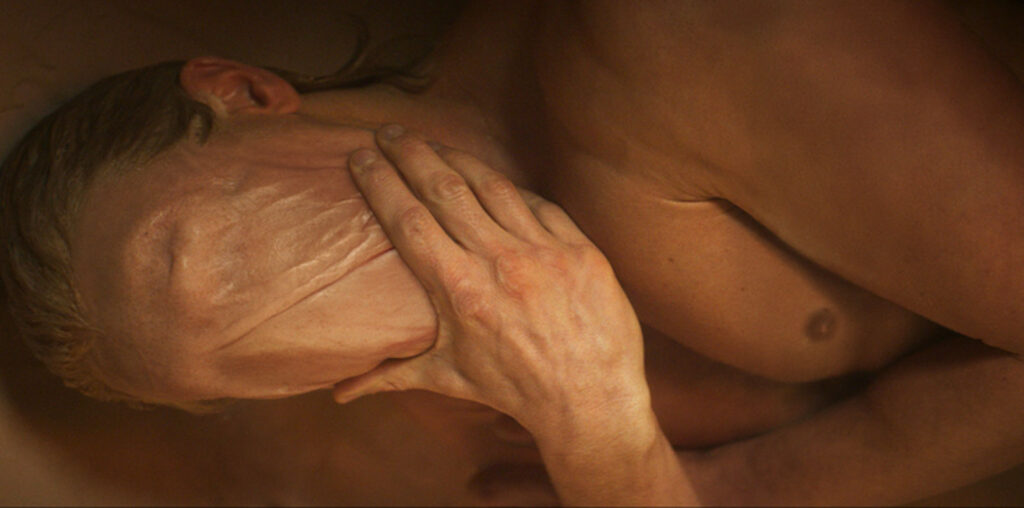
After finally getting his revenge, Matt returns home and transforms into a featureless humanoid creature in his bathtub. The scene ends with him wiping his face and snapping back to reality, a small gesture that carries the weight of everything he has lost. He has punished the people he blamed for ruining his life, but he hasn’t recovered the life he wanted back. His face, his reputation, and the people he loved are gone. Revenge has given him an ending, but it hasn’t given him a future. Matt is now free to become almost anyone or anything, yet he has lost the people and the life that once gave him a reason to be someone at all. His body can take on new forms, but no physical change can restore the connections and sense of purpose that once defined him.
What makes Matt’s fate so disturbing is that he ultimately gains the freedom to change his appearance without regaining the life that once gave it meaning. Clayface takes the pressure to maintain a particular image to a horrifying extreme: even when Matt can reshape his body, he cannot undo the damage to his reputation or recover the person he once was.
His downfall goes beyond being seen as a monster. He becomes so determined to reclaim the person he thinks he should be that he loses the life that made him who he was. In a culture where attention and acceptance can feel dependent on how others perceive us, Matt’s fate leaves us with a question that goes beyond appearance: what are we willing to give up to maintain an image that may never make us feel whole?