Slasher films have a way of feeling like an old friend. Put a mask on a killer, set it on Halloween night, and genre fans are in their element immediately. Wicked Season knows this and leans straight into the familiarity, but what is surprising is how much more it ends up being. This horror indie is far more polished than expected, layering multiple genres and atmosphere that show real ambition. As a result, we get a horror film that plays with expectations, takes risks, and still manages to entertain.
The setup is classic: a copycat serial killer has escaped from an asylum on Halloween night, and women are disappearing. In many slashers, the story pushes us directly into the killer’s perspective or the victims, letting us watch violence unfold from either point of view. However, Wicked Season takes a different angle, focusing instead on the hunt. We follow three detectives as they attempt to track the killer down, and as it turns out, there’s much more to worry about in the asylum than the copycat killer. Using the perspective of the detectives, following them on their hunt creates more of a procedural slow burn than the usual stalk and slash we are used to. It is a bold choice that pays off throughout the film through mood and tension.
The choice to follow the detectives allows the film to expand its world. It is not just one masked killer on the loose. The asylum itself becomes a source of horror. The “monsters” within the asylum are not just escapees; they are psychologically unstable, unpredictable, and in some cases, even unkillable. When the bullets do not work, the line between reality and nightmare begins to blur. The killers feel almost like mythical beings, and that surreal edge makes the realization that you are in an asylum with them feel even more dangerous.
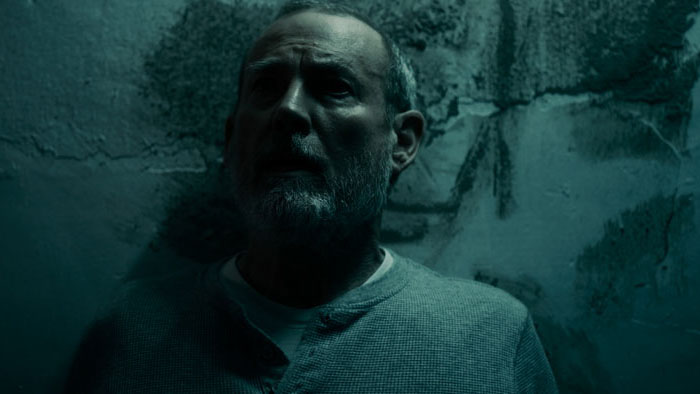
“…a copycat serial killer has escaped from an asylum on Halloween night…”
Just when it seems the film has found its groove, it gets into even wilder territory, demonic rituals. It is a huge escalation, providing some clarity on how the “monsters” in the asylum came to be. This shifts Wicked Season from a psychological slasher into full on occult horror. By layering occult elements into this slasher story, the film broadens its scope and creates the sense that the asylum itself is haunted, not just by people, but by external forces that defy any logical explanation. This extra layer keeps the audience intrigued about where the horror is really coming from.
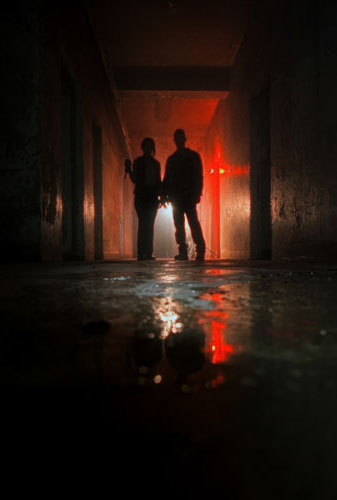
The practical effects and overall atmosphere go a long way in this story; the commitment to creating a spooky environment by incorporating various elements of horror is evident throughout. The asylum setting feels never-ending, the monsters are creatively unique, and there is a sense of energy that keeps it engaging even during quieter stretches. The cinematography leans into shadows and distortion, giving the film a nightmarish edge that enhances its mood of the occult.
In the end, Wicked Season is a daring project that delivers. The creativity, energy, and willingness to push beyond the usual slasher formula make it stand out, is admirable. Horror fans will appreciate the film’s ambition and the combination of slasher, psychological tension, and occult weirdness. For a self-funded project, this film is an impressive achievement and a promising sign of the talent behind it.
"…a daring project that delivers."