
On his 35th birthday, a man (Louis Hunter) goes through the motions of his morning — shower and a body shave, scrolling through a dating app of anonymous users looking for cyber sex. What starts as exciting pretend sex has something darker underneath — something that already has a grip on him.
When night comes, he’s back in bed, on the app, and ready to make his move. He connects with a girl named Gurlsaint, spinning a story about being a model and being nervous about a shirtless shoot. He asks if she could take a look at his abs and tell him what she thinks. It’s a play he uses from girl to girl. The fun is interrupted when his mother (Susie Porter) calls at exactly the wrong moment. The interruption doesn’t stop him for long.
The next day, he is walking in the garden with his mother, and she presses him about his birthday plans. She wants him to celebrate with his friends. What he can’t tell her is that his life is as shallow as the online sex he is having. Encounter after encounter, the film begins to take on a genuinely disturbing shape.
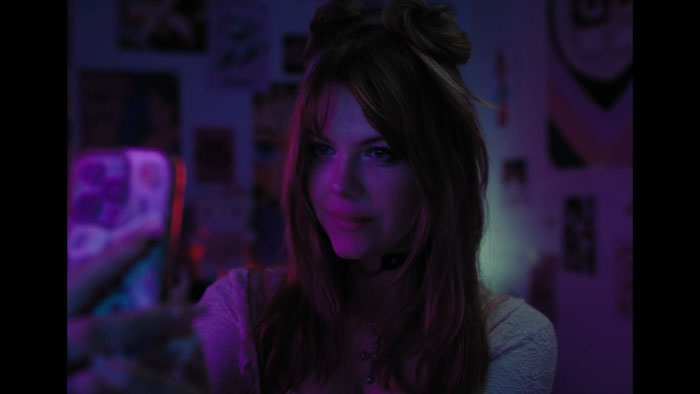
“What he can’t tell her is that his life is as shallow as the online sex he is having.”
Mojean Aria uses cyber sex addiction as a story about pain, not pleasure. He describes it as “the kind of restlessness where silence feels unbearable, and the phone becomes an anesthetic rather than a source of joy.” The horror comes from how the addiction splinters a person’s identity. First, there’s the protagonist’s on-camera persona: the macho man, alone in his room, on the hunt. The other is the man who barely exists at all, due to the emptiness that accompanies each encounter. The real tragedy is the slow disintegration of one’s soul. Aria says The Second Screen explores the human effects of this addiction – both perpetrator and victim.
The message is clear. The Second Screen hauntingly captures the slow degradation of a man who keeps personal relationships and intimacy at cell phone length for the intensity of a fake real encounter. There’s nuance to the story, and Louis Hunter masterfully brings it out in our protagonist. The story feels real, which only ramps up the actual horror elements in the end. Nothing in this film feels exhilarating or erotic…just empty—the perfect feeling to walk away with.
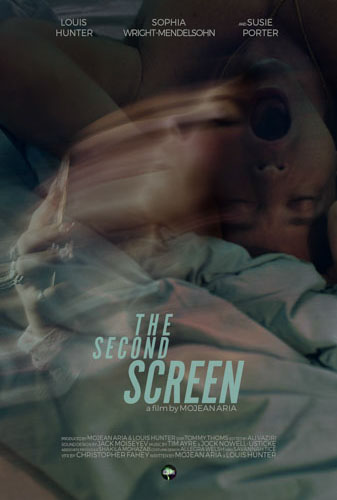
"…The real tragedy is the slow disintegration of one's soul."