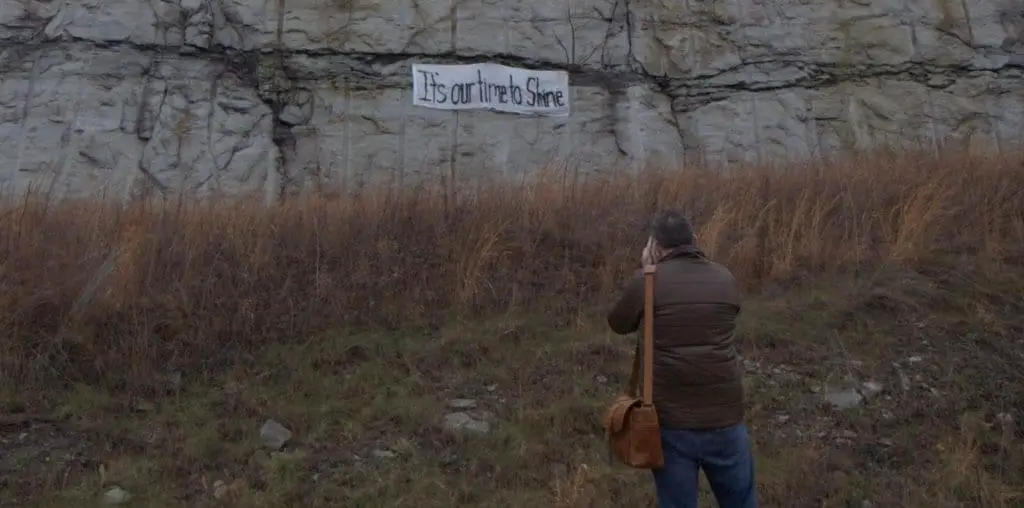
The devolution of the 70s disaster epic gets a jolt of future shock with the 48-minute indie sci-fi feature The Hunger, which was edited, written, and directed by Stan Freeman. The film opens with a blighted land where nothing may ever grow again. Thirty-six days earlier, everything is perfectly normal landscape-wise, except that lush farmlands are getting mysterious boxes they did not order. They are free matter transference boxes, where once a day, the user can press in a code for a free prize. Fifteen seconds later, the prize materializes inside the box. The instructions say they are completely free and can be charged at no cost by a satellite if you leave the box outside at night. The company that the boxes are from has no presence or history on the internet, but the founders, William Clarke (Danny Viets) and Jonathan Tang (Aarsh Mosa), soon released a video to the world. They are a pair of whiz kids who dropped out of college after a semester and, years later, developed a method to transport matter across thousands of miles in seconds.
Funny thing is, people who went to college with Clarke, like Felipe Santiago (Cameron Reuben Hudson), remember him as a druggie moron, not some genius. FBI Agent Dennis Cooper (Jim Lobley) and Agent James Robinson (Floyd Patterson II) both investigate this mysterious company and its founders further. Several days later, giant sinkholes appeared in the farmland where the boxes were sent, as well as several water reservoirs drying up. The FBI determined the packages were all sent out by a dude with a mustache, glasses, and a blue shirt (Casey Dion) at several cities in Minnesota… at almost the same time.
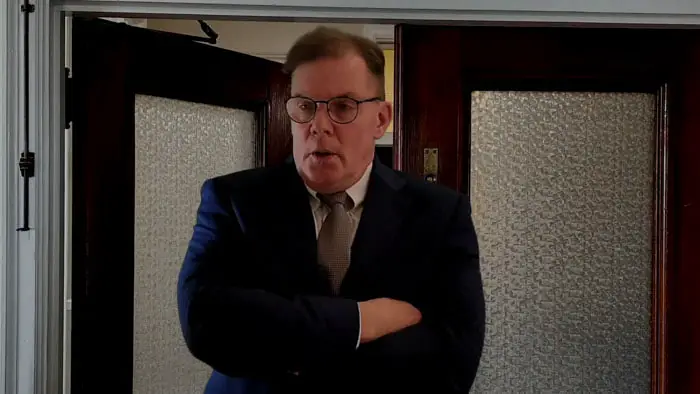
“…giant sinkholes appear in the farmland…”
The President is played by Michael Nelson, because John Saxon is dead. Science Advisor Hedi Levinson (Jeannine Haas) advises the president on matters this grave because ever since Spock, we have had science advisors in good sci-fi. And this is good.
Director Freeman is my superhero of superimposition, my longtime favorite effect, which I feel was discarded too early and is underappreciated. There is something above the way the outline of an overlaid image onto another pops in the most deliciously surreal way. During the 70s, it worked on everything from meteors to Superman’s flapping red cape. However, superimposing became so overused that it jumped the shark in 1982 when it was used for the big finale of Mega-Force. Seeing the seam of the superimposed image became the new zipper on the monster suit and was done away with.
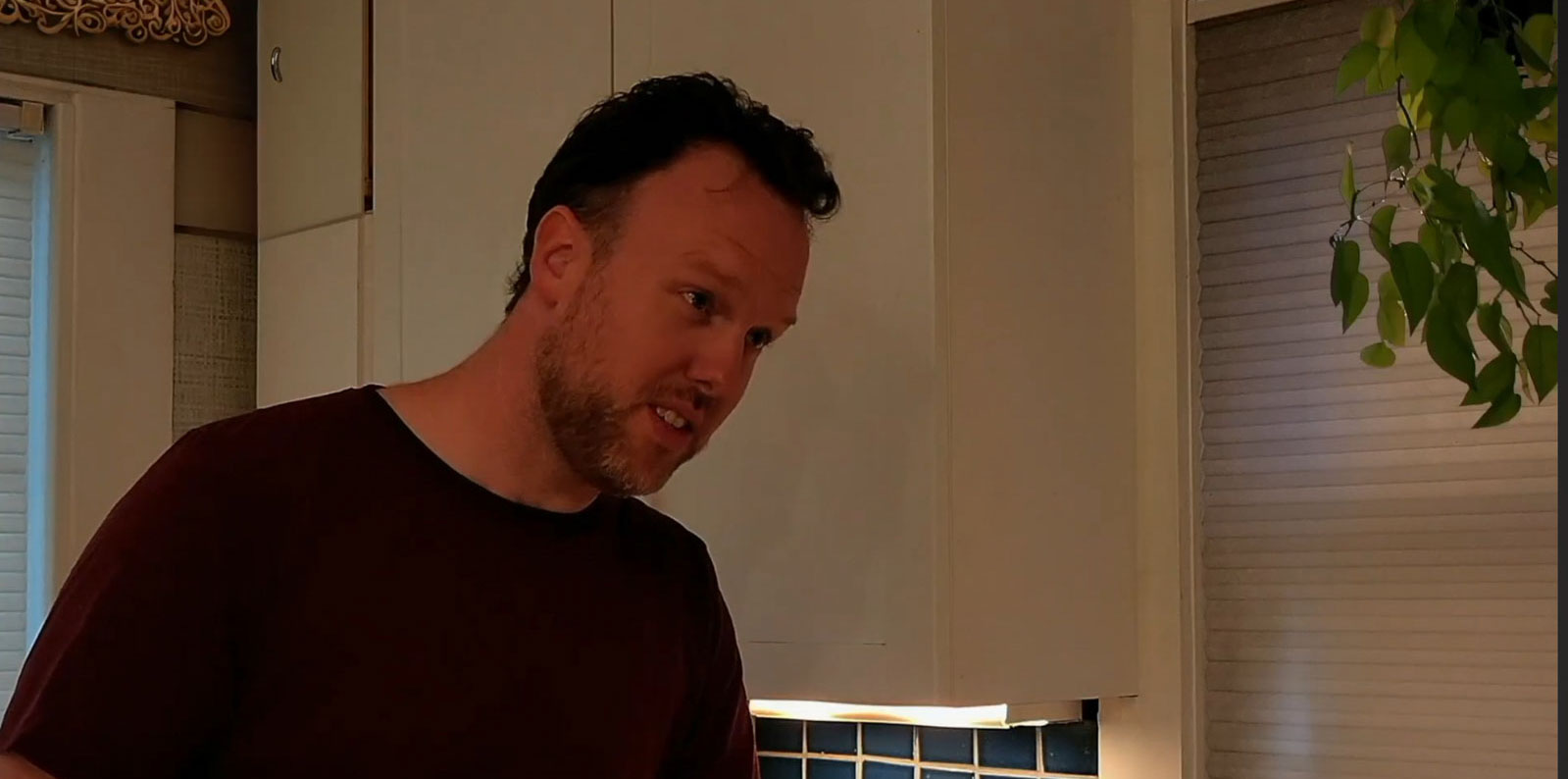
"…will inject itself delightfully into your nervous system..."