The American penal system is deeply flawed. If you didn’t think so before watching Rashad Frett’s Ricky, it’ll definitely become clear afterward. In his directorial debut, Frett deftly paints a portrait of a man recently discharged from prison doing everything he can to cling to freedom while the system around him slowly closes in.
It’s not immediately clear what landed Ricky (Stephan James) in prison, but he’s freshly released and working to navigate a world quickly changing around him. Frett and co-writer Lin Que Ayoung drop that information like breadcrumbs throughout the film until finally revealing that he was just 15-years old when he was arrested in a robbery gone wrong with a friend who got away. He was a kid who made a mistake, pulled into a criminal justice system that chewed him up and spit him out as a 30-year-old expected to know how to live his life as an adult. The film calls attention to challenges as simple as learning the ways technology has evolved to the much more complex, uphill battle of rebounding financially to gain the independence necessary to thrive. All of this with the constant pressure from a parole agent (Sheryl Lee Ralph) who provides steady reminders of the thin ice he walks on. As the film progresses, Ricky faces obstacle after obstacle, from toxic relationships to trouble finding a job, as the emotional burden of it all bears down on him. While he’s able to navigate past some of the hurdles, they eventually become too much for one man to handle.
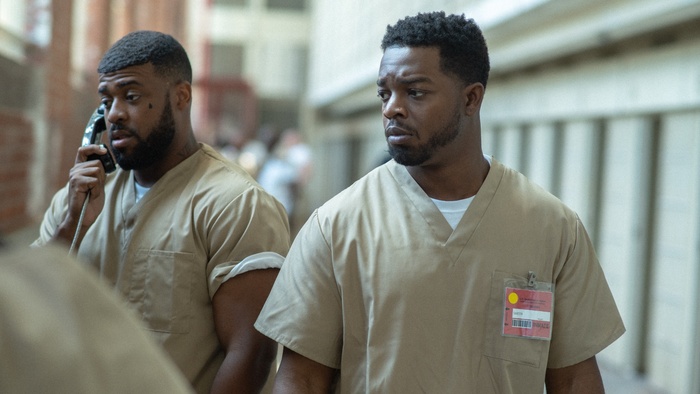
“…a portrait of a man recently discharged from prison doing everything he can to cling to freedom…”
Frett takes a realistic, no-frills approach to the film. It almost feels documentary-like at times, not just in style but in substance, checking the boxes of the real experiences faced by men recently released from prison. Seeing the range of problems Ricky encounters is valuable, but the storytelling keeps the audience at a distance. We get glimpses of the emotional demand, but we’re not made to feel the full scope of its burden. In the third act of the film, that all changes. It evolves from procedural to expressive, widening the focus from Ricky’s dilemmas to the weight felt by members of his family. It sets the scene for a grounded but affecting ending that will leave you reaching for the tissues.
Stephan James’ memorable performance infuses so much life into Ricky. He quickly forces the audience to empathize with his character’s plight. We’re rooting for him–wincing at each setback–even before learning about his history. The hardships and strain a person experiences in this situation are impossible for an audience to fully understand, but James’ nuanced portrayal somehow allows us to grasp what could only be felt firsthand. He imposes a spectrum of sensations onto the audience–shame, guilt, insecurity–but also the rare moments he allows himself to feel joy.
There are rarely happy endings when dissecting America’s systematic struggle with recidivism. But at the center of Ricky is a man trying his best. The world around him is unhelpful and often cruel, but hope shines through in the shreds of momentary compassion from strangers, friends, and family members. It’s in that empathy that Ricky finds the strength to move forward.
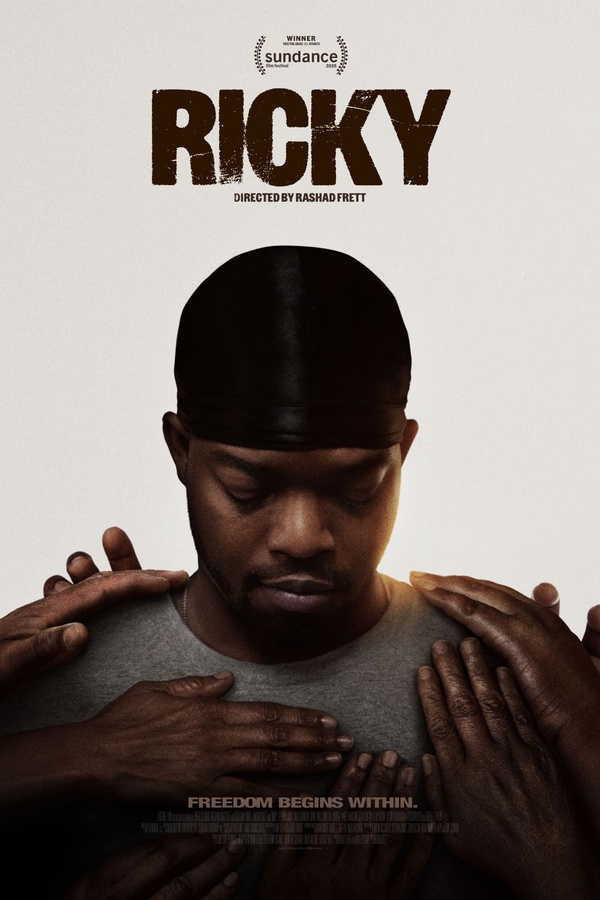
"…will leave you reaching for the tissues..."