“I used to call myself a filmmaker,” Ross McElwee says at the beginning of his latest film–a perfect encapsulation of the next two hours on screen. McElwee is looking back at the past, taking stock and reconsidering the things once held as truths. Like most of his films, Remake starts as one thing but slowly evolves into a deeply personal reflection on his life in the wake of his son Ardrian’s tragic death from a drug overdose.
The idea for Remake began when McElwee received a call from Hollywood about adapting his critically acclaimed documentary Sherman’s March into a film. When he signed over the rights, he also signed a contract to make a documentary about his experience helping to bring the adaptation to life. The project started, stopped, pivoted to television and stalled again. But in the midst of it all, after years of struggling with substance abuse and mental health challenges, McElwee’s son passed away and Remake was turned on its head.
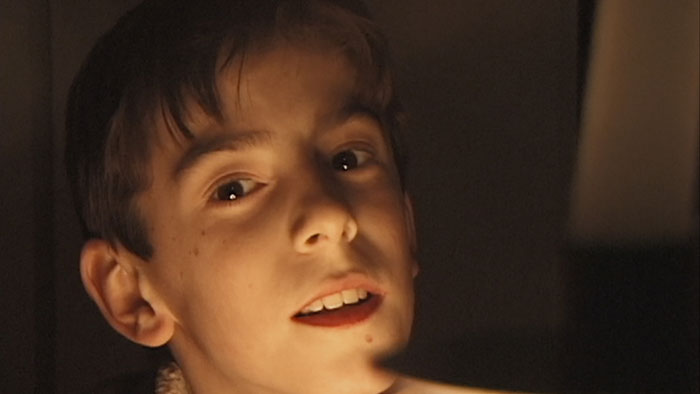
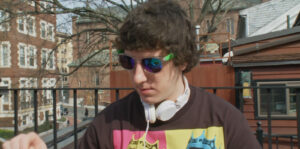
Adrian McElwee stands on a rooftop balcony in a scene from Remake.
“…a deeply personal reflection on his life in the wake of his son Ardrian’s tragic death…”
Sherman’s March is McElwee’s most notable work, often referred to as one of the all-time greats of the documentary genre. The film begins as a retrace of General Sherman’s movements during his famous Civil War military campaign. While the legacy of the war is explored throughout the film, it’s really a personal diary about McElwee’s experiences with women during his time in the south. In his newest film, he returns to some of those characters. He visits his friend Charleen, plagued with memory loss issues, who can’t even remember making a movie with him.
Memory is a major theme throughout much of Remake. It’s told non-sequentially, flickering through the archival footage of McElwee’s life as if we’re inside his mind. Much of what we see is footage of his son from his earlier documentaries, recontextualized and reexamined through the lens of his passing. It also helps us learn more about Adrian, a bright and adventurous kid following in his father’s filmmaking footsteps while also trying to pave his own way. But McElwee wonders if years of being in front of the camera may have contributed to his later struggles.
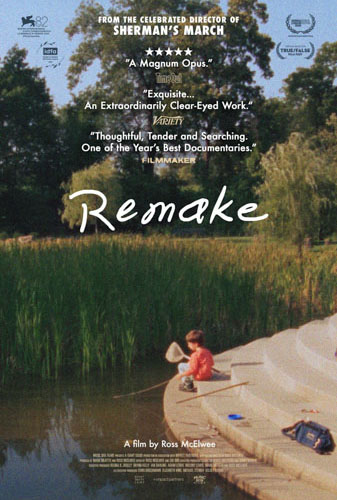
"…Remake isn’t as much a film as it is a eulogy that took a decade to write"