You can smell the old books as characters flip through the pages. You can feel the breeze cutting through the humidity as a storm approaches. And you can sense the energy of a bustling Caracas. In this beautifully immersive debut feature, Lost Chapters, Lorena Alvarado explores the memories of her past by blending gripping fiction with vulnerable documentary-like storytelling.
Alvarado spent much of her childhood in the aisles of her father’s bookstore. When she set out to capture her first feature film, it was meant to be a documentary about that store. But once she began to shoot, her idea evolved into a blend between her reality and a greater examination of the role memory plays in our lives. The story follows Ena (Ena Alvarado), who discovers a postcard hidden in the pages of a book at the store. The postcard mentions an old book suspected to have been written under a pen name, so Ena and her father (Ignacio Alvarado) set out onto the streets of Caracas to find it. Woven throughout the story are interactions between Ena and her grandmother, whom she calls Mamama (Adela Rodríguez), who is struggling with memory loss in her old age. But the characters we see on screen aren’t actors; they’re her real sister, father, and grandmother. It’s set inside her childhood home, and rather than scripting scenes, Alvarado captures their real interactions, loosely outlined and shaped to fit her story.
“…Alvarado explores the memories of her past by blending gripping fiction with vulnerable documentary-like storytelling…”
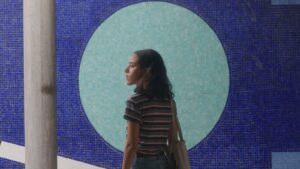
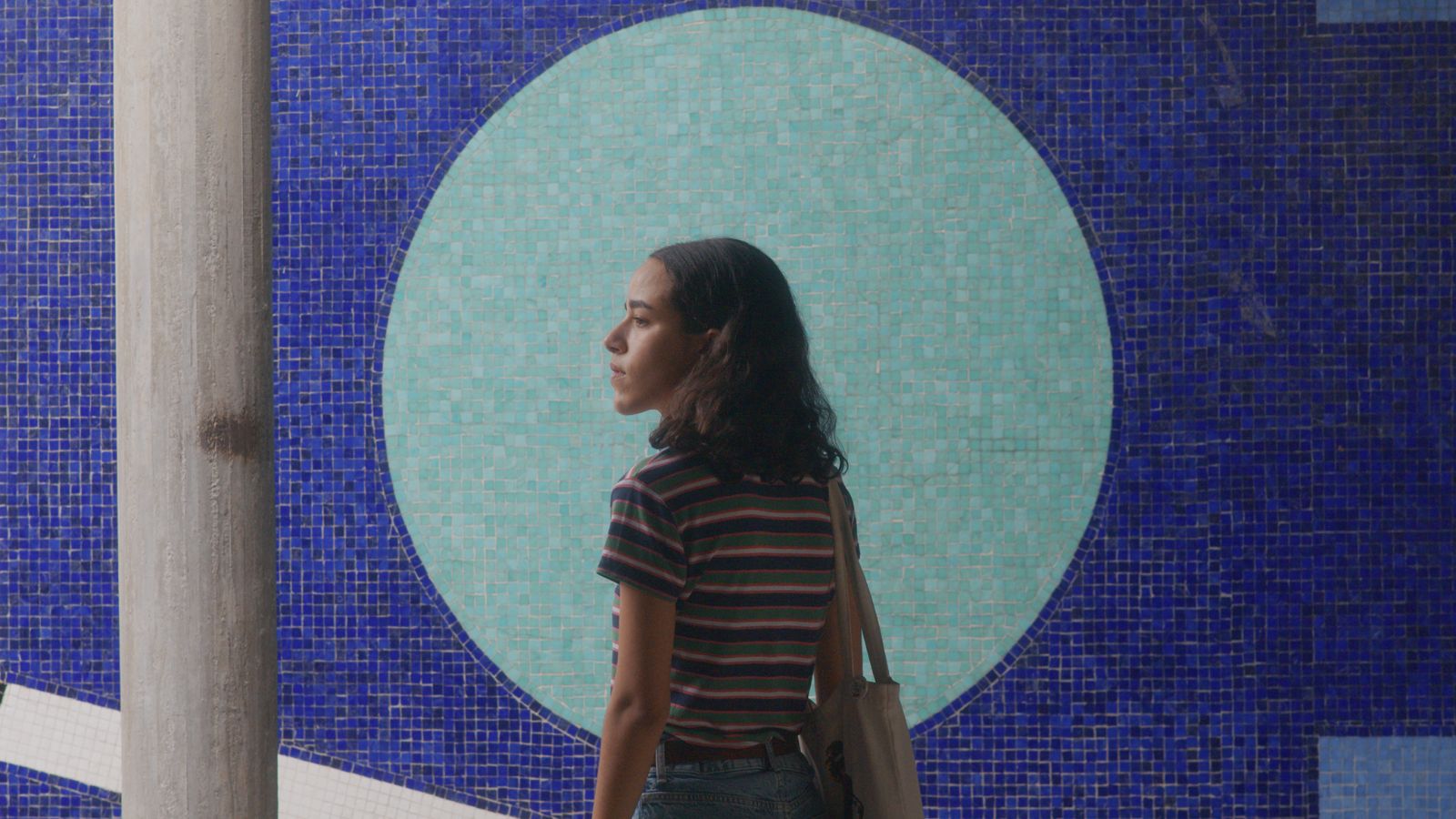
If you’re someone who enjoys a film with a strong narrative throughline, this one isn’t for you. Alvarado instead opts for a slow, contemplative rhythm more focused on the little moments than the grand plot points, twists, or turns. As her grandmother’s memory fades, this may be her way of holding onto the small gestures often lost—time spent playing with her Mamama’s hair, watching a television show together, or going for a walk. The intimate, naturalistic storytelling injects the film with an undeniable warmth, as if you’re watching home movies. And during a time when Venezuela is often depicted through the lens of its political turmoil, there is no overt conflict here. Rather, Alvarado hides the strife in the subtext while paying tribute to her tender memories of Caracas and days spent trekking across the city with her dad, hopping from one bookstore to the next. Despite it being a self-funded project with limited resources, Alvarado never skimps on the visual beauty. The shots are simple but striking, cleverly composed to bring so much life to each image. The final shot of the film frames Ena within a colorful tile mosaic, creating a completely new piece of art as a result.
There’s a point in the film when it starts to feel repetitive—Ena flipping through pages, Ignacio sorting through the racks of books at his shop, and Mamama aimlessly wandering around the house. But this isn’t a flaw of the film; it’s Alvarado’s way of preserving something before it’s gone. So much is changing around them, but the important things remain the same. The reverence for home, the intellectual curiosity, the revolutionary spirit—those will always be a part of who they are as long as the memories of those moments still exist. Lost Chapters celebrates the little things, and the power in the pursuit of keeping our most important memories alive.
"…beautifully immersive debut feature..."