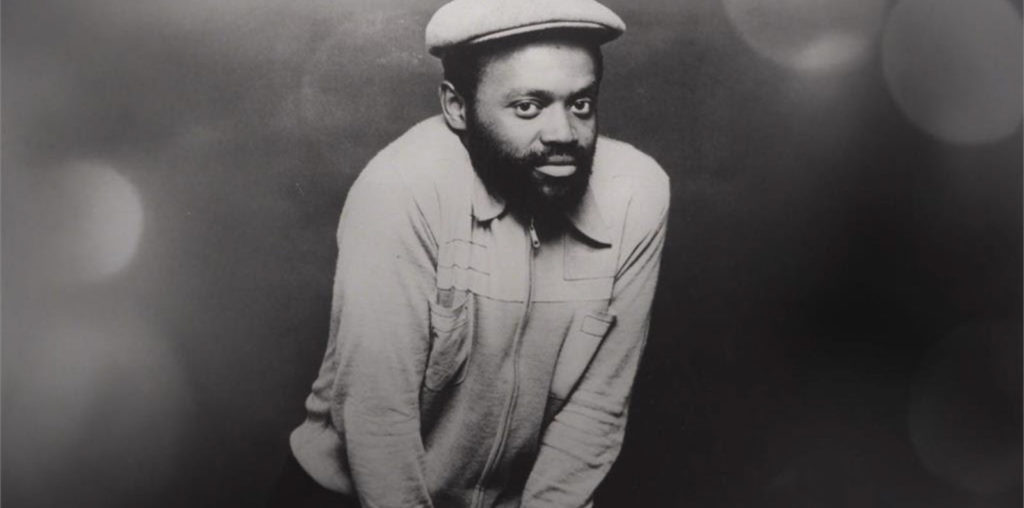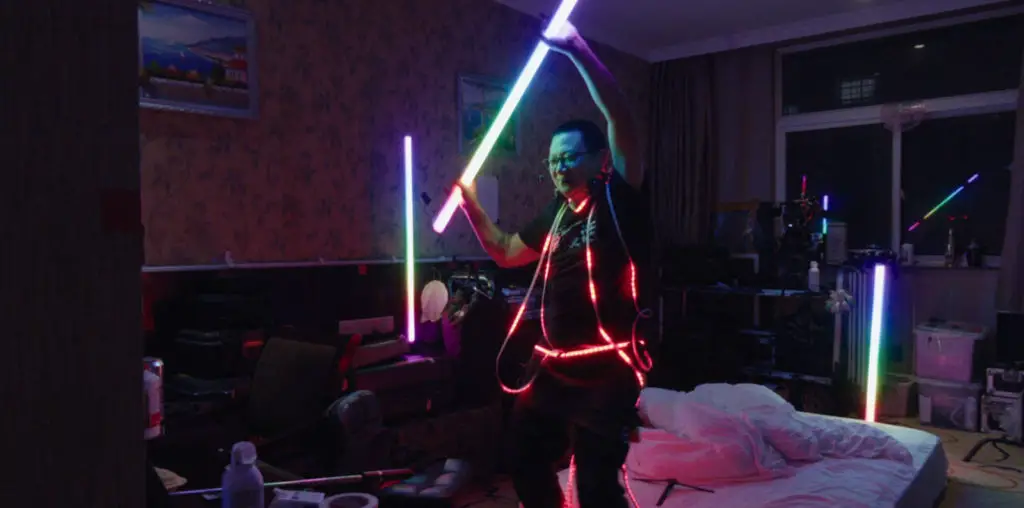
Writer-director Nathan Quick’s debut film, In the Summer Rain, is a challenge to cinematic narrative formats. The story of this LGBTQI+ drama follows two disparate threads, attempting to show synchronicity and resonance between them. The tagline for is “the same feelings come back around again and again.” One track of the story involves an actor returning to Seattle to learn about the deceased daughter he never met. The other storyline focuses on a high school senior who stumbles into her first love with the pastor’s daughter.
Pearl Mei Lam plays Kimberly, who is discovering truths about herself as she finds love with another girl, Bethany (Leah Schiman). The two must navigate their own feelings and the culture to find their way. The character that makes the biggest impression is the dead girl, Helen, who is the actor, Jimmy’s (Joel Austin) daughter.
The narratives spin around each other like lines of syncopated jazz. While the stories and people are quite different, it’s clear to see there are some sympathetic vibrations between them, though it is a stretch to say they are conveying the same emotions in different circumstances. This was a big swing in making the ideas play off each other, and while not entirely successful, it does work well enough to be interesting.
Quick talked about why he wanted to make this movie in a note he posted on Letterboxd: “I started writing In the Summer Rain back in 2019, and I distinctly remember the bus ride into Seattle where I began sensing the feelings I wanted to evoke in the film. I’ve started about five or six sentences trying to explain more about that bus ride, but ultimately the reason I had to make the movie is that I couldn’t translate those feelings very well into words.”
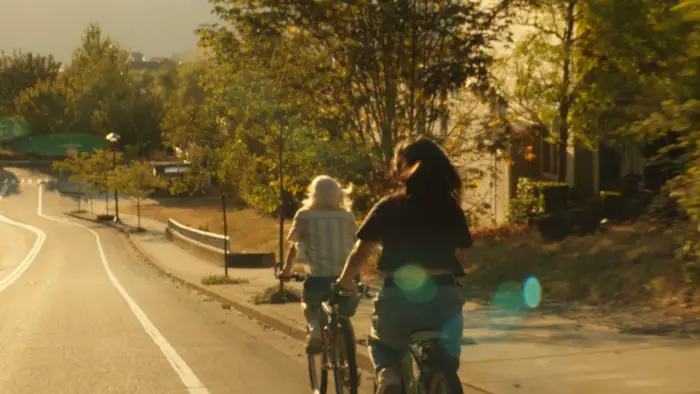
“… follows two disparate threads, attempting to show synchronicity and resonance between them…”
He also talks about the tenuous connections between the parallel narratives in the film: “…Jia Zhangke’s theory of quantum cinema: the idea that we can move on from narratives of Newtonian physics, pure cause and effect, and instead explore mysterious connections, the unexpected symmetries of life.”
In the Summer Rain will find a particular kind of audience, but it’s not going to be for everyone. A couple of speed bumps on the road to acceptance include a focus on morality around religion that isn’t going to appeal to all viewers. The context seems to imply a baseline knowledge and comfort level with the church (denomination unspecified) that many people simply won’t relate to.
Most difficult, however, is the runtime. The dialogue is slow-moving and drags through unnecessary exposition. There is more of a soap opera vibe than that of a movie script. The film clocks in at just over 2 hours, and we’ve seen time and again that every minute an indie film goes past 90 requires a massive payoff to make it worth the effort.
All that said, the emotional authenticity of the relationships is strong. In the Summer Rain will appeal most to young people who are working through what their adult identities will be. Cinematically, the film has high-quality visuals and sound, and the camera work is simple but effective. Quick engages in a high-concept, ambitious emotional ballet that doesn’t quite hit the target, but is admirable in the attempt. There is a better edit of this film that could be made. If the message is “go big or go home,” he swung for the fences and missed, but in doing so still created a film that is beautiful and thoughtful.

"…a high concept, ambitious emotional ballet..."