Many films about actors make the profession look glamorous. Hekla opens by reminding you that most of the time it isn’t. The first image we get of Elizabeth Stam’s aspiring performer isn’t a triumphal curtain call or a moment of creative epiphany, but a frantic dash across Chicago with too many auditions scheduled and a personal crisis that refuses to wait for a convenient gap in the diary.
Hekla takes place over the course of one day, which turns out to be its greatest strength and, occasionally, its mildest frustration. Director Michael Glover Smith compresses an entire emotional life into about ninety minutes, comprising four auditions, a break-up that has been looming for months, and the low-level existential panic that accompanies any creative career.
Hekla is played by Stam with an appealing mix of bravado and fragility. She spends the day ricocheting between performance spaces – one moment Hekla is pitching herself for a commercial, the next she is preparing a theatrical monologue that demands emotional fireworks. Somewhere in between, she has to tell her partner, Tyler, that their relationship has reached its natural and rather painful conclusion. None of this unfolds in tidy stages. Instead, the events feel like a succession of collisions: waiting rooms, rehearsal corners, brief snatches of conversation, awkward silences that stretch a little too long.
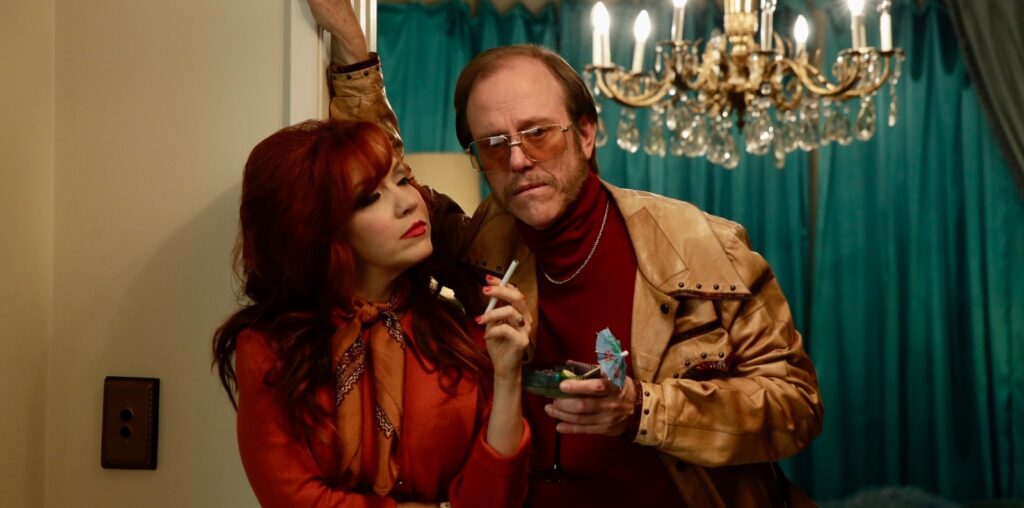
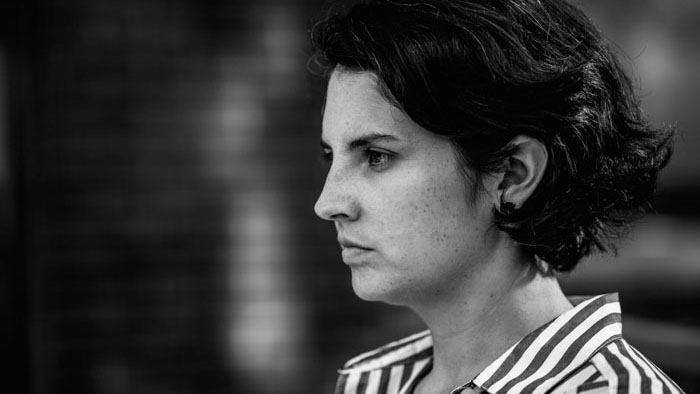
The visual scheme is clever, but not in a showy way. Much of the film is shot in stark black and white, which gives the mundane reality of auditions a slightly drained quality. Then, suddenly, colour bursts into the frame whenever Hekla performs. Watching her step into that saturation feels like watching someone take a deep breath after holding it for far too long.
“…one moment Hekla is pitching herself for a commercial, the next she is preparing a theatrical monologue…”
This film is really about that contrast. The grey grind of trying to get work versus the electric moment when the work actually happens. And anyone who spent time around theatre folk will recognise the strange mix of gallows humour and quiet desperation that fills those spaces.
Stam is excellent at navigating those shifts. She gives Hekla a restless energy that gives credence to the film’s frantic pacing. One minute, she is swaggering through an audition with theatrical confidence, the next, she is staring at her phone, clearly wondering how she ended up here. It never feels like two different performances, just a person whose armour keeps slipping.
Mary Tilden’s Tyler provides the emotional anchor. Their scenes together are brief but loaded with the sort of complicated history that actors often convey through tiny gestures rather than speech. A look, a pause, the sense that something unsaid has been sitting between them for far too long.
At times, Hekla threatens to become too episodic. A ‘day in the life’ structure can sometimes feel like a string of sketches. But Smith keeps the rhythm intact by leaning into the chaos rather than trying to smooth it out. The final stretch, leading into a scrappy pop-up performance of Macbeth in a Chicago pub, lands with a weary exhilaration.
Hekla isn’t a grand statement about art. It is smaller than that, and more personal. A portrait of a performer chasing fleeting moments of colour in a largely monochrome world.

"…much of the film is shot in stark black and white...colour bursts into the frame whenever Hekla performs."