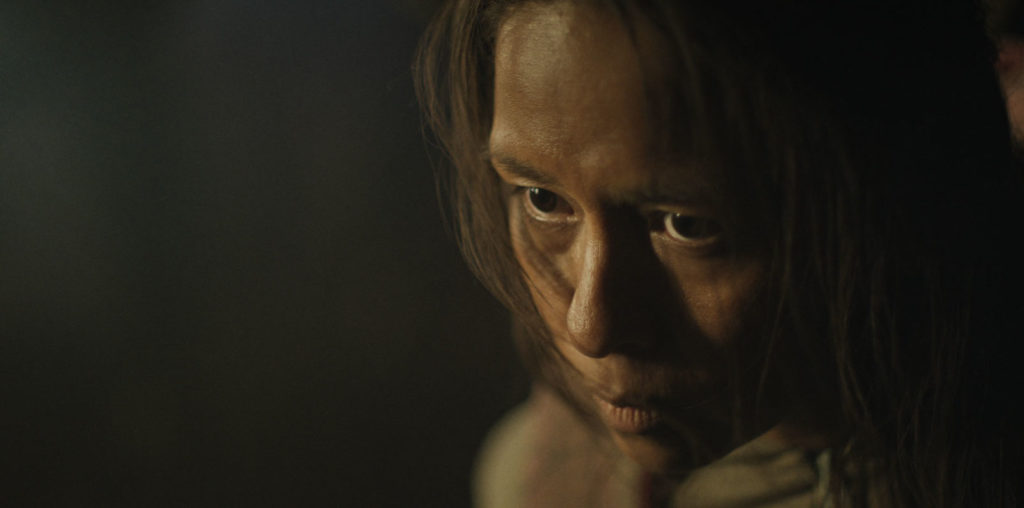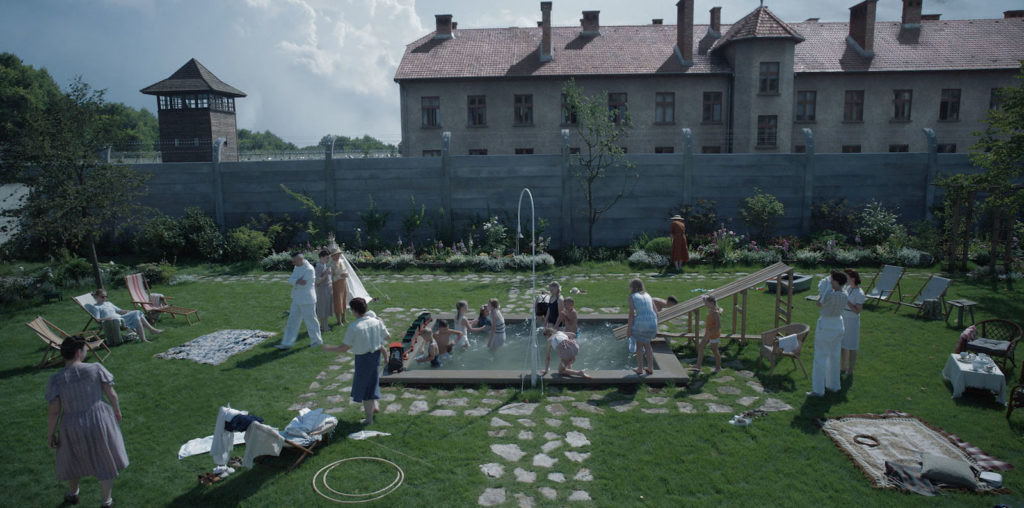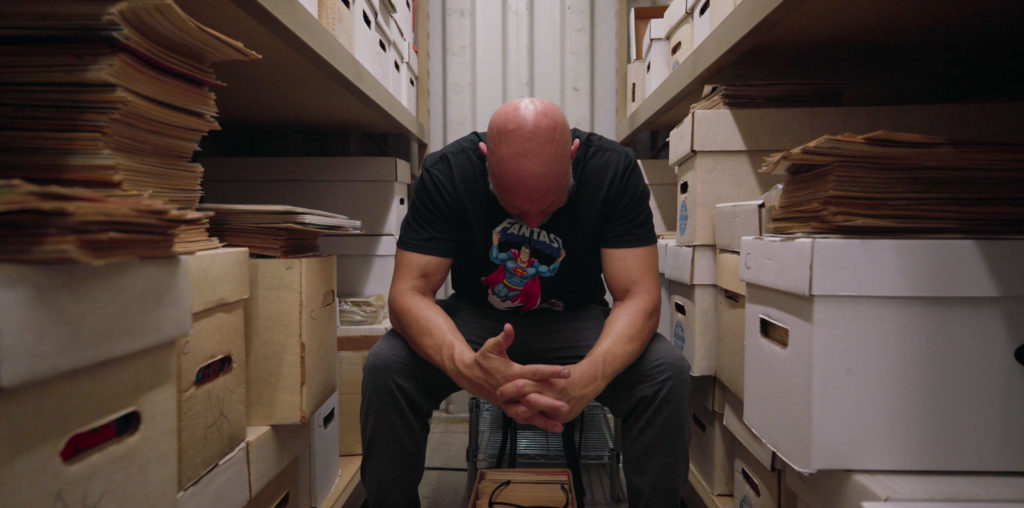
The filmmakers toured the Bernburg facility where so many of these murders took place, and surreally enough, there is a mini-golf area still standing that was used to entertain visitors. Cameron has his parents with him, who state that this is the first videotape footage of the memorial site to be shown publicly. Cameron’s dad, David, is in a wheelchair, and disappointingly, the grounds are not made to accommodate him.
Another absolutely horrific discovery was that the Nazis would keep the brains of children in order to use them for scientific studies. Scientist Heinrich Gross was put on trial for this but ironically was never punished due to being declared unfit mentally (hopefully, he was haunted by the ghosts of his victims a la the “Deaths-Head Revisited” episode of The Twilight Zone).
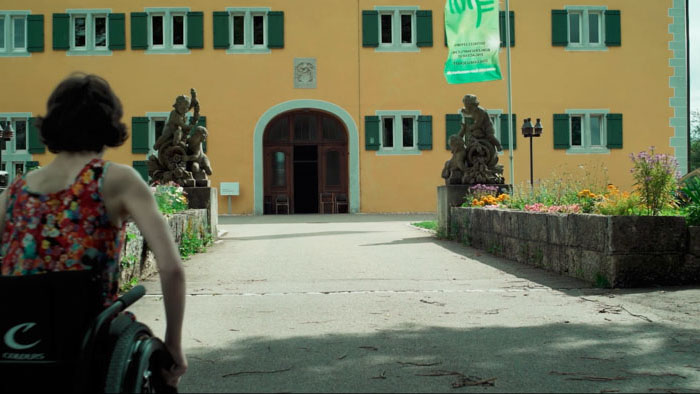
“…fascinating tales about just how far humanity can sink…”
Disposable Humanity features some beautiful European landscape drone footage and fascinating tales about just how far humanity can sink. The second half of the film has a stretch that focuses too much on details, such as where the ovens were located, but I was more invested in the human element of the story. I wanted this documentary to hit the emotions harder, but it leaned towards a more matter-of-fact tone. Nonetheless, this is an important historical documentary that needs to be seen.
Philosopher George Santayana once famously said, “Those who cannot remember the past are condemned to repeat it.” In my youth, the Nazi viewpoint seemed so extreme to what we were as a Nation that I could not conceive of anything like it happening here. In this new politically divisive climate where hate is all too common, I’m not so sure anymore. Let Disposable Humanity be a reminder to us all that one life does not have more meaning than another, and we are all in this together.
Disposable Humanity screened at the 2025 Slamdance Film Festival.
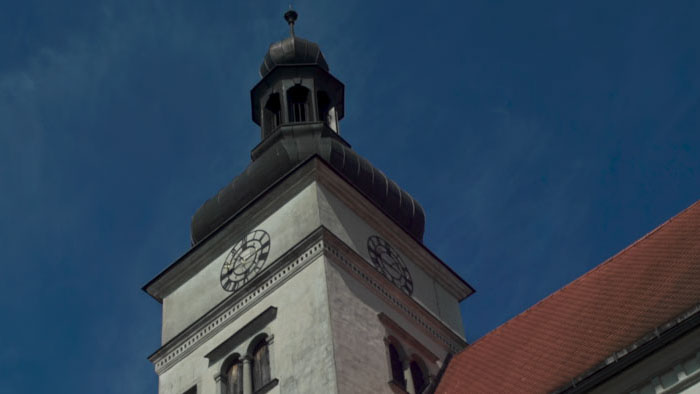
"…one life does not have more meaning than another, and we are all in this together."