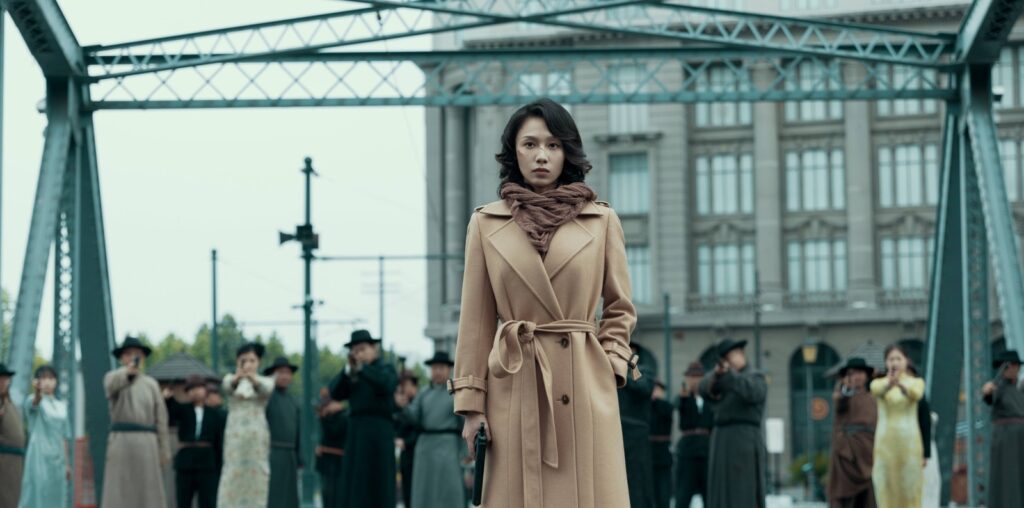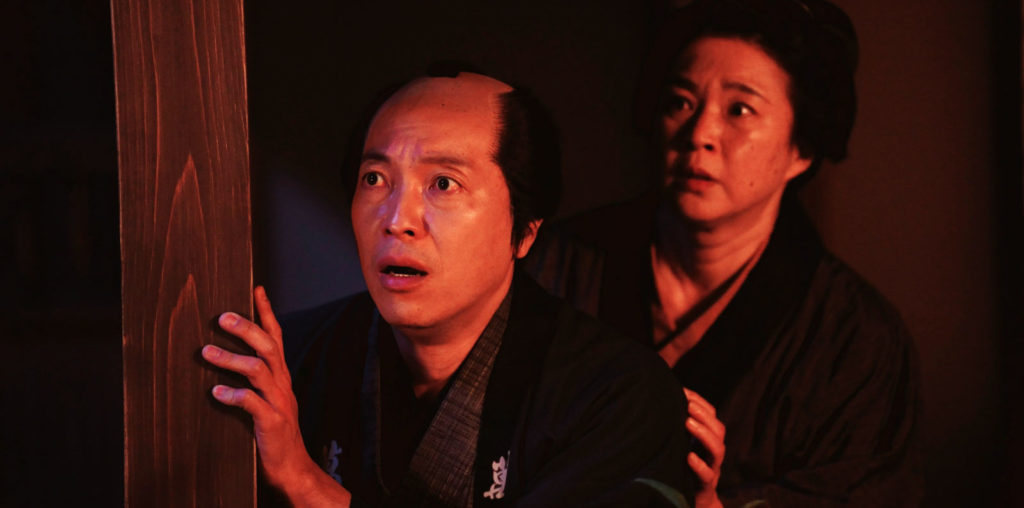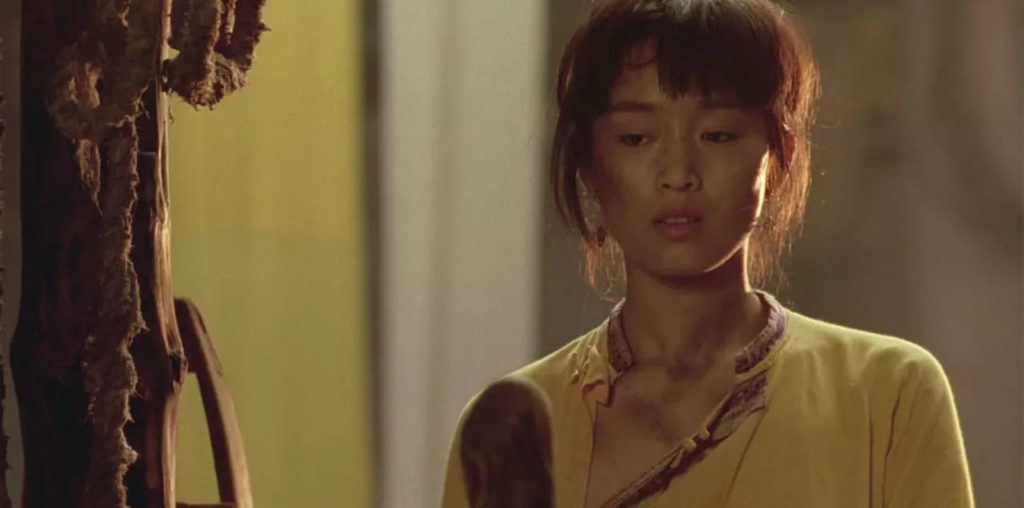
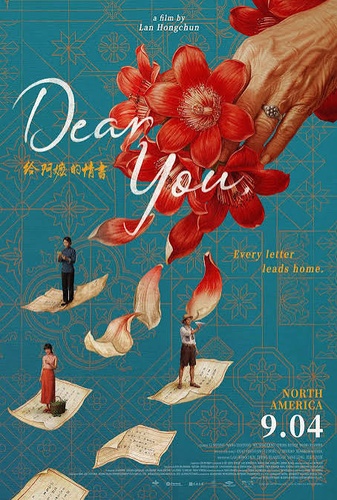
There’s something quietly heartbreaking about a handwritten letter. It travels across oceans and decades, carrying far more than ink on paper. It carries reassurance, longing, hope — proof that someone, somewhere, is still thinking of you. In an era of disappearing cursive and one-word text messages, filmmaker Lan Hongchun’s Dear You arrives as an unexpectedly moving tribute to the written word, and to the lives that those words preserved.
Deep in debt, Hiou-ui (Zheng Runqi) goes to Thailand, looking to get some cash from his wealthy grandpa, Zheng (Wang Yantong). Problem is, the man’s nowhere to be found — not even government officials can pinpoint his location. Hiou-ui finds out that grandpa passed away in 1960… so who kept corresponding with his grandma, Ye Shurou (Wu Shaoqing) all these years? The film takes us back to 1945, tracing Zheng’s deliberate construction of a new life in Bangkok’s Chinatown — after fleeing the Chinese civil war — including sending letters to Shurou.
I was particularly touched by the care and affection the film exhibits for the qiaopi — remittance letters that Chinese workers sent to their families. They sometimes contained money, but it’s the words that carried power — power to soothe, reassure, remind loved ones that you’re still there, caring for them from afar. Those letters, those words, served as remnants of the lives they left behind. To reiterate my opening thoughts: in an age when folks seem to pay less and less attention to words, when everything is abbreviated and misspelled, the qiaopi and their cultural significance has a particularly strong impact.
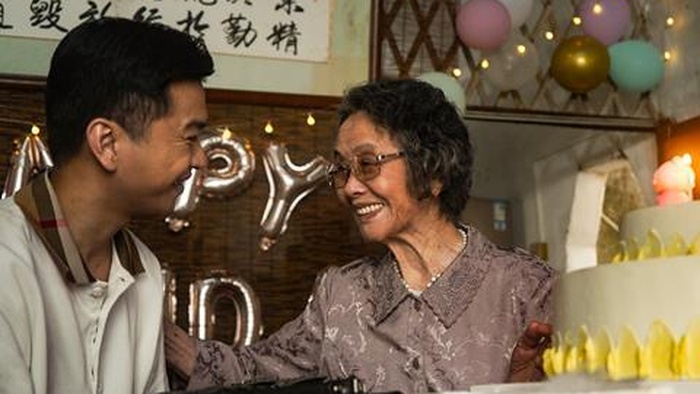
” … takes us back to 1945, tracing Zheng’s deliberate construction of a new life …”
More importantly, the film understands that every letter carries two stories: the one written on the page, and the one deliberately left unsaid. Distance has a way of encouraging optimism, of sanding off life’s rough edges so those back home worry a little less. Dear You recognizes that quiet act of self-sacrifice, treating every carefully chosen sentence as an expression of love rather than deception.
The film has a lively pace. It’s filled with chuckle-inducing moments, a strikingly violent one, and a ton of dramatic highlights… even if it presses the sentimental pedal a bit too hard, twinkling music and long stretches of slow-motion tears stumbling the momentum. The non-professional ensemble cast does a splendid job — not a single amateur in the bunch, Wang Xiaohui as the young Sogriu standing out in the impressive crowd. Lan Hongchun knows how to structure a scene that leads to an emotional payoff, which is ironic considering the conclusion to the overarching narrative does feel a bit anticlimactic. Cinematographer Hai Tao coats the film in vivid, warm colors, his beautifully-composed shots going a long way in making this potentially somber feature so compelling.
Ostensibly an indie drama, the $2M-budgeted Dear You shattered box office records in China, earning almost $300M. Clearly, its themes of family history, migration, and generational trauma connected with audiences. It is yet another reminder this summer that audiences are fed up with bombastic, VFX-driven extravaganzas and are seeking something deeper, more insightful and, well, human. Who would’ve thought? Dear me, indeed.
"…filled with chuckle-inducing moments, one strikingly violent one, and a ton of dramatic highlights"