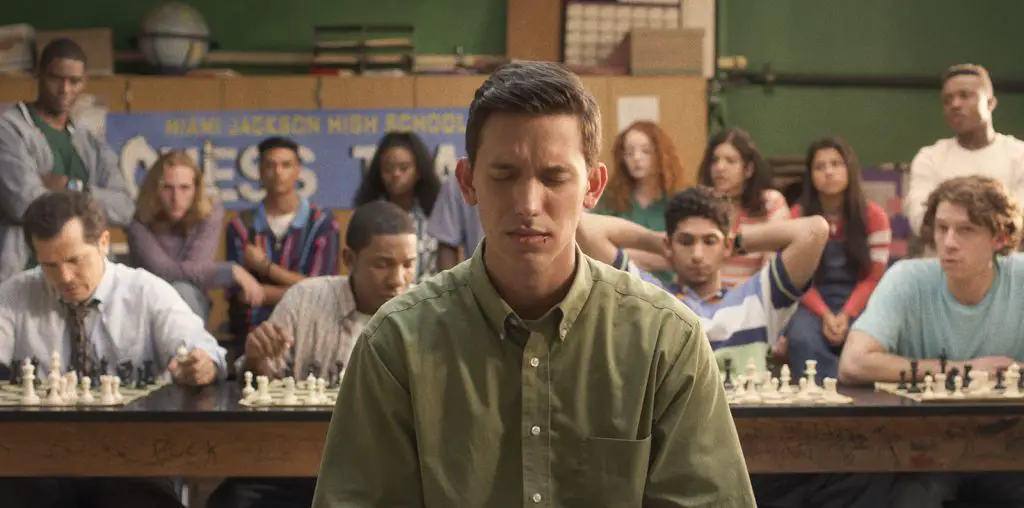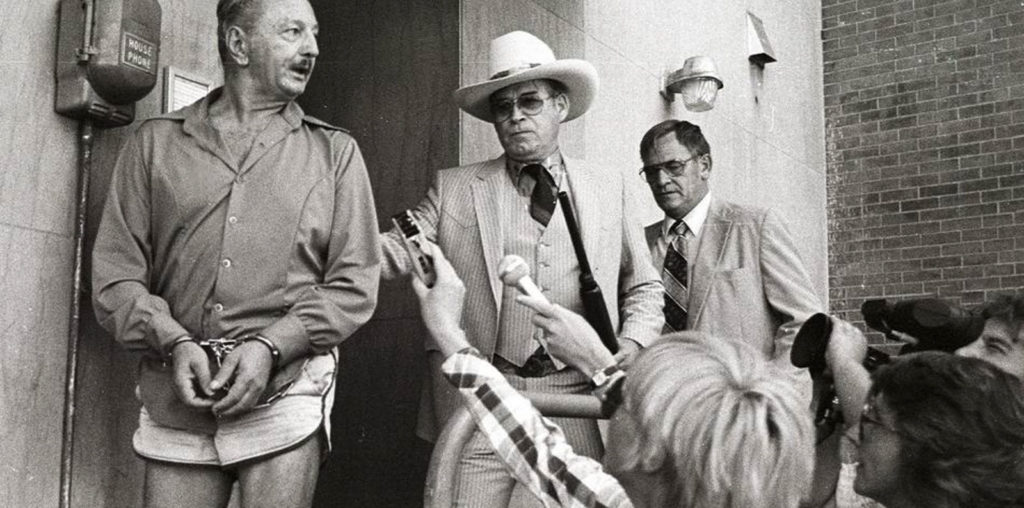
Near the beginning of Beyond the Border: Latino Representation in Hollywood, filmmaker Gregory Nava tells us that 35% of the movie-going audience in the United States is Latino, but astonishingly, only 3% of the images that you see onscreen are Hispanic/Latino. Actor John Leguizamo explains that when you do see Latinos onscreen, they’re depicted as gangsters, drug dealers, murderers, and rapists. Directors Clara and Julia Kuperberg drive home the damage that such representation has on culture at large, while giving examples of positive impacts.
Leguizamo sadly confesses that the only decent representations he had growing up were Ricky Ricardo from I Love Lucy and the cartoon character Speedy Gonzalez. The quote by actor Esai Morales, “We never play heroes, we only play zeroes,” comes up multiple times. That was certainly the case in the early days of Hollywood, and still too often now. The silent era of film is where the “Latin lover” stereotype began.
Interestingly, when sound arrived, studios would shoot a movie in English during the day and then, at night with a completely different cast, make it in Spanish (a la Dracula). Studios did this in order to cater to the large Latin population who didn’t speak English. After the Great Depression, the deportations started. One million Mexicans were sent to Mexico, but up to 60% of them were actually born in the United States. “All of these Latinos have to be deported because they’re ruining the country” is an old trope that is sadly back in vogue now.
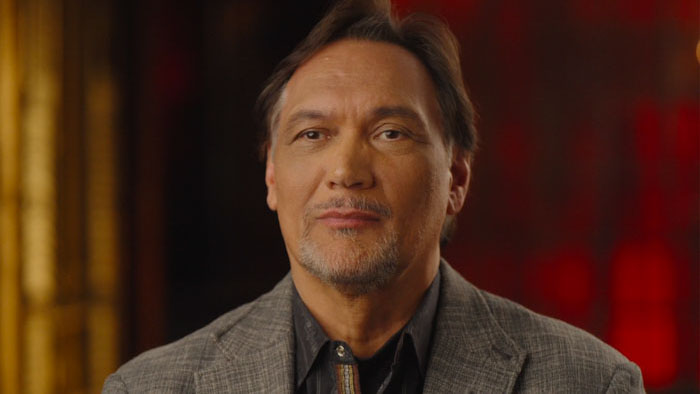
Jimmy Smits reflects on Latino visibility in American film and television in Beyond the Border: Latino Representation in Hollywood.
“…35% of the movie-going audience in the United States is Latino, but astonishingly, only 3% of the images that you see onscreen are Hispanic/Latino.”
Beyond the Border: Latino Representation in Hollywood shows how important Latino labor has been to our country at different time periods. The completion of the railroad tracks, World War II, and to this day, immigrant labor have been vital for the success of the Nation and the economy. President FDR knew the power of the Latin people when he created the “Good Neighbor” policy to get Mexico on our side during the war. Disney stepped in with films such as The Three Caballeros and the animated Saludos Amigos to portray Mexico in a brighter light from the “Good Neighbor” policy.
More Latin-Americans were honored with medals than any other group during WW2, yet out of the hundreds of films about the war, only filmmaker George Stevens, with Giant, showed them in a positive light or even as participants in it. This is an interesting slight that most people are probably not even aware of. “Brownface” is just like “blackface,” (albeit with much less notoriety), and happened with Hollywood stars such as Charlton Heston and Marlon Brando being darkened to play Latinos, and strangely, Latino actors such as Sal Mineo were even darkened to play their own race. Where is the public outrage over brownface?
The film shows that the 1980’s is when things started to turn around for the better for Latino depictions in film. La Bamba was one of the first movies to show the greatness of the culture, along with the dark side. Stand and Deliver was another landmark 80’s film (that still inspires students across America) about a Latino math teacher (played beautifully by Edward James Olmos) who teaches his students that once they learn the language of math, they can go anywhere. Gregory Nava’s movie Selena was a film that he made for the little girls who loved the crossover pop singer icon, while helping to launch the career of superstar Jennifer Lopez.
It’s fun to see distinguished actors like Jimmy Smits get excited about discussing his part in the Star Wars franchise. It’s even more meaningful when he tells how Latino people come up to him and say that they became a lawyer because they saw him on TV and believed that they could do it. Beyond the Border: Latino Representation in Hollywood is an important documentary, whether or not you’re of Latin descent, because it shows the power of art affecting life.
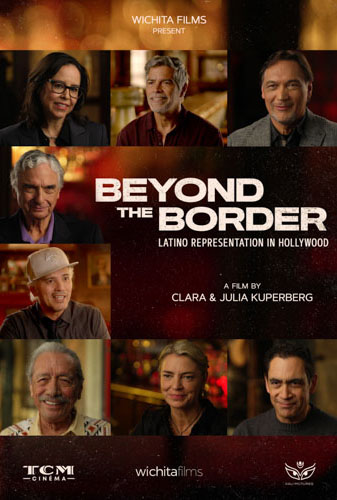
"…an important documentary..."