Completion of an indie movie does not mean that the file is ready to leave the editing room. The completed file might have to be sent to festival programmers, film critics, distribution company executives, sales agents, reporters, and people from a production team. Every one of them can use another platform or playback system. A perfect file in terms of an editor’s computer can refuse to open somewhere else, can lose audio or can take ages to upload. So file preparation is one of the little but very important elements of delivering a film.
Convertio’s video converter turns the uploaded video into an output format chosen by a filmmaker in the cloud, which helps filmmakers prepare a suitable version of a video if the previously exported one fails to meet the requirements of its destination. Such conversion can help in case of screeners, trailers, interview videos, behind-the-scenes videos and any other kind of files that have to move from one device or platform to another. But the converted file is not a replacement for a professionally created master after the post-production process is over.
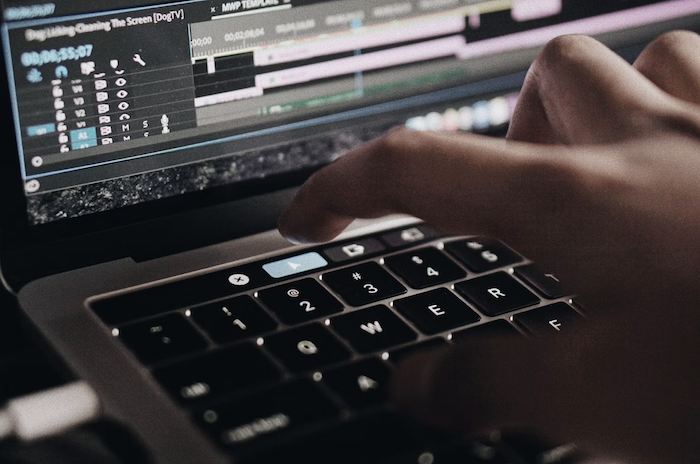
Table of contest:
One Film Can Need Several Files
Format Problems Often Appear After Editing
Screeners Need Their Own Workflow
Conversion Should Be Part of Delivery
One Film Can Need Several Files
Independent filmmakers often work with a single finished cut, but that cut rarely remains a single file.
A festival may initially need an online screener. A journalist could request a trailer or several short clips. A distributor may ask for a downloadable viewing file. Social media work creates another set of exports, while a theatrical screening can involve a dedicated cinema package prepared separately.
The important point is that these files serve different purposes. The original production master should usually remain untouched. It contains the version created for long-term storage and professional delivery. Other copies can then be made for viewing, sharing, review, or promotion.
The Library of Congress format guidance also separates preservation-oriented moving-image formats from viewing proxies. That distinction is useful even on a small independent production. A filmmaker does not need to send the largest available master every time somebody wants to watch the movie.
A clean workflow might contain:
- a protected master file
- a high-quality review copy
- a smaller screener for online delivery
- a trailer and selected promotional clips
- separate files requested by specific platforms or partners
Keeping these versions organized prevents a quick conversion made for one purpose from accidentally becoming the production’s permanent master.
Format Problems Often Appear After Editing
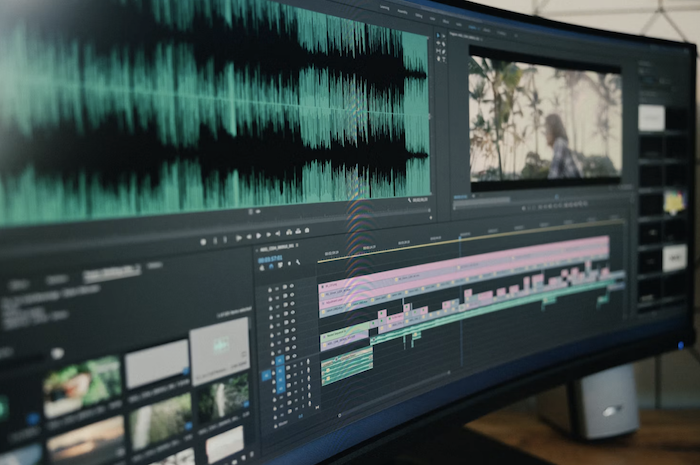
Video compatibility is not always obvious from the filename. Two files can carry familiar extensions while containing video or audio that different software handles in different ways. Containers, codecs, resolution, frame rate, audio configurations, and compression might all influence playback.
That’s why a file needs to be tested on something else apart from the system that was used to create it. A finished export may play without trouble inside the editing software because the required codec is already installed. The recipient may be using another operating system, browser, television, media player, or festival submission platform.
Convertio is useful when the content itself is finished but the delivery file needs another format. It can also help when old footage must be opened for a documentary, an interview arrives in an inconvenient format, or publicity material needs to be prepared without changing the source edit.
The process should still start with the best available source. Repeated conversion introduces additional processing, so creating a fresh delivery copy from a strong source file keeps the workflow easier to control.
Screeners Need Their Own Workflow
Festival screeners deserve particular attention because they may be watched under conditions the filmmaker cannot control. A programmer could view the film on a laptop, desktop monitor, television, or another supported device. The file needs to open reliably, maintain synchronization, and present the intended picture and sound.
A practical screener workflow starts after picture lock. The master is exported and preserved. A separate viewing copy is then prepared according to the destination requirements. That file should be watched from beginning to end before delivery.
Several checks matter at this stage:
- picture and audio remain synchronized
- subtitles appear at the correct time
- the full frame is visible
- opening and closing titles are intact
- audio plays through the expected channels
- the file opens correctly outside the editing application
- the filename clearly identifies the film and version
Subtitles deserve special attention. A filmmaker working with international festivals may have several language versions, and sending the wrong one can create an unnecessary problem before the film is even viewed.
The screening copy used during an actual cinema presentation may require another workflow. A Digital Cinema Package belongs to theatrical exhibition and should not be confused with an ordinary compressed video file prepared for online review.
Conversion Should Be Part of Delivery
File conversion is easy to treat as a last-minute technical chore. For independent productions, it works better as part of the delivery plan.
This process can start even during the post-production stage of the film. Decisions should be made on the storage location of the master, the version that is going to be distributed, subtitles management, as well as authorized versions of the film. Naming of files is also essential in this regard, as having the title, cut, language, and date included in the filename facilitates identification of the right version several months later.
The same discipline becomes useful when publicity begins. Reviewers may need screeners. Editors may request clips. Festival teams may ask for trailers. Distribution conversations can create another round of file requests. When each new request starts from an organized source rather than an old compressed copy, fewer mistakes enter the chain.
Details abound in independent films even before their creation ends. One of these unglamorous details is video conversion. It might not seem like a big deal, but it will make all the difference between the finished product being playable or not. A good master file, good delivery files, proper conversion, and a playback test would ensure that technical problems do not become the first thing that gets noticed.