Independent movies become successful or die out long before their actual release date. They will have a poster, a festival trophy, and a trailer. However, all of that comes too late – the audience has been developing its preferences, following certain filmmakers, creating watchlists, and ignoring thousands of others. Small social videos become a small window for a film to join that flow without having to ask anyone to spend two hours with it.
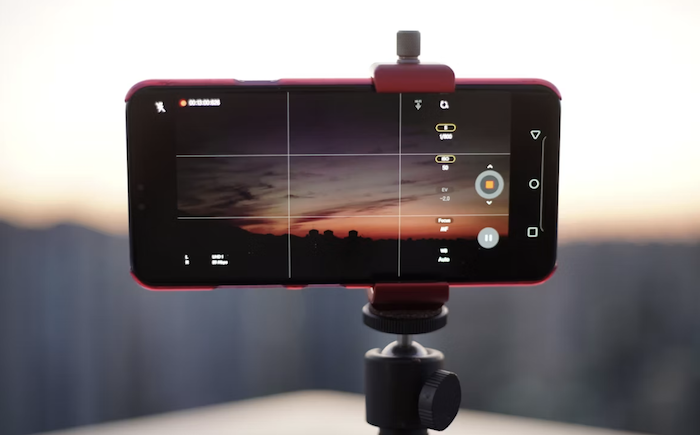
For the small crew working on it, the first useful piece of content can come from anything they can think of – an unusual performance, a great close-up shot, an unfinished rehearsal, some scouting footage, or just one shot from the trailer. It becomes useful at this stage to use a browser-based software solution like Clideo Video Editor to make it possible to quickly test a short cut, adjust the framing, add some text, and create a mobile-friendly format before the editing battle begins.
The Clip Is a Doorway
A short social clip should rarely try to explain the whole film. That is where many indie campaigns lose their nerve. They take a movie with tension, tone, silence, weirdness, and character, then squeeze it into a tiny sales pitch. The result feels flat because the clip starts behaving like a summary.
The better use of a short clip is more specific. It should open one small door. A horror film can show one uncomfortable sound before the scare. A drama can show the last three seconds before a character lies. A comedy can show the reaction after the joke rather than the joke itself. A documentary can show the moment when someone almost says the polished answer, then suddenly becomes honest.
That kind of clip does something a trailer cannot always do. It lets the audience feel the film’s temperature. Some films are cold, nervous, patient, angry, sweet, awkward, or funny in a dry way. A good social media video carries that texture faster than a plot description.
This is especially important for independent cinema because many indie films sell a feeling before they sell a concept. The budget may be small. The cast may be unknown. The setting may be ordinary. The hook often lives in rhythm, performance, subject matter, or worldview. Short clips can protect that identity when they are cut with care.
Why Indie Films Need Small Signals
A studio release can buy awareness. An indie film has to earn recognition in fragments. That sounds unfair because it is, yet it also gives smaller films a strange advantage. People online respond to specific moments. A single line, a face, a visual detail, a location, or a behind-the-scenes problem can travel further than a polished poster.
Short clips work because they create small signals that repeat. One clip says the film has an atmosphere. Another says the actors are good. Another shows the filmmaker’s taste. Another explains why the subject matters. Over time, these small signals build memory.
This matters for several groups:
- Festival programmers who see a film mentioned before a submission lands in their inbox
- Reviewers who need a quick sense of tone before deciding what to cover
- Viewers who save the title because one scene felt different
- Cast and crew who can share clips without sounding like they are begging
- Local communities connected to the film’s place, theme, or subject
A film’s social presence should feel like a trail of evidence. The audience should slowly understand that the movie exists, has a voice, and belongs to a specific corner of cinema. Hootsuite’s guide to social media video tips makes a useful point for creators: video content should begin with a goal, audience, and key message. For indie film promotion, that goal may be modest. It might be getting newsletter signups, drawing attention to a festival screening, pushing trailer views, or giving a film’s cast shareable material.
It is the blunder of attempting to use each new platform trend with the same clip. The 12-second TikTok beat is likely out of place on LinkedIn, as is the gorgeous widescreen frame for Instagram Reels. A dialogue clip may need subtitles because many people watch without sound. Social clips need versioning, and that is where online video editing becomes a practical part of the release plan.
The Rough Edges Can Be Useful
Independent filmmakers sometimes treat social content as a separate universe from the film itself. The movie is serious. The social clips are marketing. This divide can make the campaign feel fake.
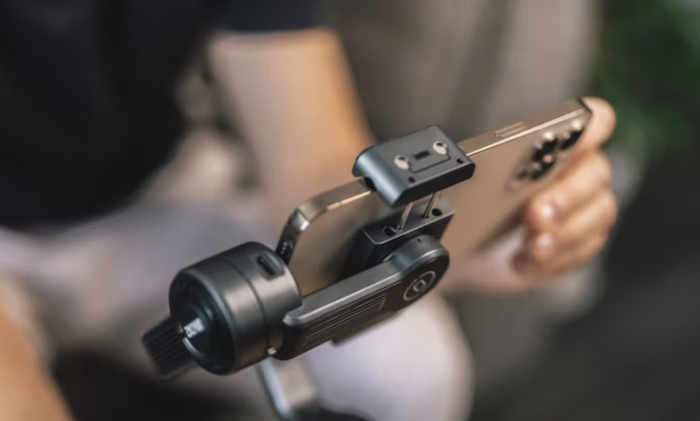
The more interesting approach is to let the campaign reveal the process without turning everything into content sludge. A handheld rehearsal can show the actors finding the scene. A raw sound mix can show how silence changes the mood. A phone video from a night shoot can give the audience a sense of the conditions behind the image. A cut scene can become a tiny piece of lore for people who already care.
Rough material works when it has intention. A blurry clip with no context feels lazy. A rough clip that shows a director solving a real problem can feel alive. That is why mobile video editing has become part of indie film promotion. Phone footage from the set can be trimmed, captioned, and shaped into something watchable before the moment goes cold.
There is a small truth here that many polished campaigns miss: people often connect with a film through evidence of struggle. They like seeing how a tiny crew made a scene happen in a strange hallway, borrowed location, empty diner, or friend’s apartment. This does not mean every campaign needs endless behind-the-scenes posts. It means a few well-chosen clips can make the film feel human.
Clideo’s own article on video editing for social media is useful here because it treats platform differences as part of the editing job, covering formats, captions, and ways to adapt videos with limited resources. For indie teams, that practical mindset matters more than glossy content theory.
What Makes a Short Clip Worth Posting
A short clip should earn its place. It does not need expensive grading or perfect music, although clean sound and readable subtitles help a lot. It needs a reason to exist.
A strong clip usually has one clear job:
- Create curiosity about a character
- Show the tone of the film
- Announce a screening or release date
- Make a festival selection feel tangible
- Explain the subject of a documentary through one human moment
- Give cast and crew something easy to share
- Test which part of the film catches attention
The best clips often start late and end early. Social audiences have little patience for setup. A scene that takes 90 seconds in the film may only need the final 14 seconds online. A trailer line may work better without the music. A reaction shot may be more powerful than the dramatic speech. The editor’s instinct matters here.
Subtitles also deserve more respect. They are not decorations. They determine whether the clip will survive in an environment where there is no sound, where the attention span is reduced by half, and where the language is simply not understandable. Captioning can save the silent film without changing the essence of it.
Metrics should guide the next clips, although they should not bully the film into becoming generic content. Hootsuite’s article on social video metrics breaks down measurements such as views, watch time, engagement, and retention. For filmmakers, retention can be especially revealing. If viewers drop away before the key moment, the clip may need a faster opening. If people save or share a quiet scene, the film’s emotional angle may be stronger than expected.
A Better Release Rhythm
Short social clips matter because they give independent films a rhythm between major announcements. A festival acceptance is a moment. A trailer launch is a moment. A release date is a moment. But in the period between the two, the film will be gone if the team does not continue to introduce the little bits of it back into the world.
An effective marketing campaign could include mood clips leading into the trailer, followed by clips featuring the characters, behind-the-scenes moments, reviewer quotes, and then reminding people about the release of the film. But all the clips must relate to the essence of the film. A slow film should not pretend to be hyperactive. A strange film should not sand off its strangeness. A microbudget film can lean into its resourcefulness.
This is where Clideo, online video editor workflows, mobile video editing, resizing, subtitles, and quick video editing tools become less about convenience and more about survival. Indie promotion rewards teams that can react quickly. A good review comes in, so a quote card video goes out. A festival Q&A gets recorded, so one useful answer becomes a clip. A viewer posts a reaction, so the team turns it into a release-day asset with permission.
Short clips will not rescue a film with no audience strategy. But it allows the film more chances of reaching the right audience. Independent films have always depended on small places, gossip, persistent promoters, and unexpected means of communication. Social media clips are another way of communicating through small bits of something that are replicable, imperfect, and sometimes powerful enough to bring the audience to the entire film.