
Bluffing is one of the most thrilling aspects of cinema. It is where tension, strategy, and deception collide to create unforgettable moments. From high-stakes poker games to clever mind games, filmmakers use bluffing to build suspense and reveal the true depth of characters.
Whether it is a dramatic showdown or a quiet moment of calculated risk, the art of bluffing keeps audiences on the edge of their seats. Below, we explore how filmmakers master the game of deception, crafting moments that surprise and shape the characters we love to watch.
Bluffing and Probability: Crafting Tension and Uncertainty
Bluffing is more than just a simple trick. It is a strategic tool filmmakers use to create tension and maintain audience engagement. At its core, bluffing involves deception, playing on uncertainty, and reading the situation to influence outcomes. Whether in a poker game or a life-or-death decision, a well-executed bluff raises the stakes and adds layers to a scene.
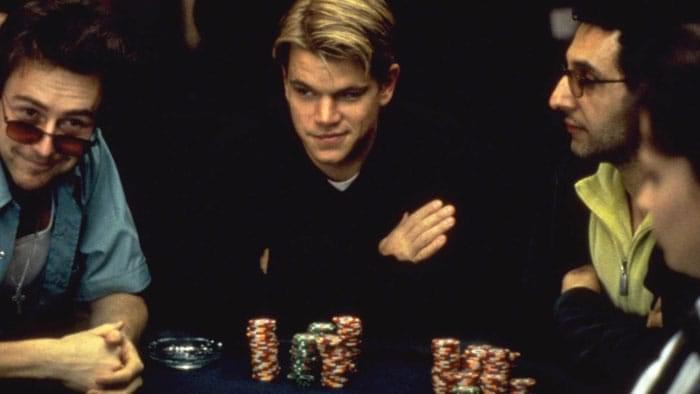
Take Casino Royale, for example. James Bond’s poker face is not just about cards. It is about testing his opponents’ limits and making high-stakes choices that could determine life or death. Similarly, in Rounders, the poker table becomes a battleground for more than money. It represents pride, survival, and a sense of identity. These scenes demonstrate that bluffing is a strategic, psychological, and risk-based approach to evaluating odds.
In modern films, the relationship between bluffing, probability, and unpredictability has evolved in tandem with digital poker platforms. These platforms mirror the strategic deception seen in classic poker films while introducing the dynamics of online play and virtual stakes. Bluffing on these platforms, like in cinema, requires understanding both probability and human behaviour, making it a powerful storytelling device that keeps audiences guessing.
Iconic Bluffing Scenes: Examining Key Film Moments
Bluffing can transform a scene from tense to unforgettable. In Casino Royale (2006), the poker showdown between James Bond and Le Chiffre is more than a game of cards. It is psychological warfare. Bond reads a tell, seizes his moment, and folds when he recognises he has been outplayed.
Rounders (1998) provides another example. Mike McDermott bluffs the intimidating “Teddy KGB” after carefully observing a subtle tell involving, of all things, Oreo cookies. A small gesture becomes significant through timing, psychology, and surprise.
Filmmakers enhance these moments with visual storytelling. A slow close-up, a sliding chip, or a character’s glance lets the audience feel the gamble and risk. These techniques deepen character development by showing cunning, confidence, and vulnerability, pulling viewers into the stakes beyond the game. When bluffing takes centre stage, films shift from being about cards to exploring themes of trust, power, and control.
The Role of Bluffing in Building Suspense and Story Arcs
Bluffing in film is not merely flashy. It drives suspense and story development. Scenes where a character bluffs encourage audiences to hold their breath. Will the bluff succeed, or will the plan fail? Suspense thrives on uncertainty and delayed outcomes, and bluffing delivers both.
When a card player, a spy, or a suave con artist bluffs, the stakes shift. Simple situations become layered. Secrets surface, motivations change, and character arcs deepen. Filmmakers use visual cues, pauses, and reactions to build tension and reveal truths.
Bluffs can also serve as turning points in a story. They might expose weakness, trigger transformation, or shift power dynamics. Viewers engage in the gamble, aware that feelings, trust, and identity are at risk. This combination of strategy, revelation, and risk makes bluffing scenes memorable.
Bluffing as the Heart of Suspense and Character Development
Bluffing in films does more than create tension. It uncovers character depth and propels the narrative. Whether in a high-stakes poker game or a quiet moment of calculated risk, bluffing challenges audiences to discern reality from deception.
It involves strategy, psychology, and revealing truths at critical moments. These memorable scenes entertain while shaping the characters we admire. Bluffing remains an essential tool in cinematic storytelling, as it bridges suspense, character development, and plot.