
A deep dive into the most gripping movies about risk, money, ambition, and high-stakes decisions—from Wall Street chaos to casino tension and personal financial pressure. Discover why these stories feel so real and addictive.
There’s something oddly magnetic about stories where money is flying around, decisions happen in seconds, and one wrong move can change everything. Maybe it’s the tension, maybe it’s the promise of fast fortune, or maybe it’s just curiosity—how far would someone go when the stakes keep rising? Films about risk and money don’t just show numbers on screens or chips on a table. They show people under pressure, cracking jokes while quietly falling apart inside.
And honestly, that mix is hard to ignore. One moment it feels like fun and games, the next it’s all about survival, pride, or obsession. A trader stares at blinking charts, a gambler pushes chips forward with a shaky hand, and somewhere in the background you hear people casually talking about platforms like “1xbet ไทย” as if high-risk thrills have become part of everyday culture. A hustler smiles while everything behind the smile is burning. These films keep us close to that edge. Not because we want the downfall, but because we recognize that feeling of “one step too far.” A little relatable, isn’t it?
Why We Can’t Look Away From Risk
Let’s be real—watching safe, predictable lives on screen gets boring fast. But when risk enters the picture, attention locks in. There’s a reason stories about money, debt, bets, and ambition feel alive. They echo small decisions we all make: spending more than planned, chasing something slightly out of reach, or wondering what happens if we push just a bit further.
Films in this space often feel like pressure cookers. Characters talk fast, move faster, and think even faster. You can almost feel the ticking clock in their choices. What’s interesting is that these stories don’t always glorify success. Sometimes they lean into collapse, embarrassment, or loss. And yet, that’s exactly what makes them stick. Because risk isn’t clean. It’s messy, unpredictable, and full of small emotional spikes.
Think about it—why do we lean forward during a tense scene? It’s not just entertainment. It’s recognition. A part of us understands the gamble, even if it’s not on a trading floor or inside a casino. It might be a job change, a relationship decision, or even a late-night purchase we justify a bit too quickly. That’s the connection. Quiet, but strong.
Wall Street Dreams and Financial Fire
Now, step into the world of trading floors, sharp suits, and constant movement. Movies like Wall Street, The Wolf of Wall Street, and Margin Call don’t just show finance—they show obsession wrapped in ambition. Money here isn’t just currency; it becomes fuel for identity, status, and ego.
In Wall Street, the famous line “greed is good” isn’t just dialogue—it’s a mindset that spreads like wildfire through the characters. The Wolf of Wall Street takes it even further, turning excess into a loud, chaotic performance where everything is exaggerated: the wins, the losses, even the parties. And then there’s Margin Call, quieter but sharper, where panic spreads through a firm as numbers stop making sense and decisions become heavy.
What ties these films together is not just money, but speed. Everything happens fast—calls, trades, reactions, consequences. There’s barely time to breathe. And in that speed, people reveal who they really are. Some chase more, some freeze, some try to step back but get pulled in anyway.
A strange thing happens here: success and collapse often sit side by side. One trade looks brilliant, the next looks reckless. And that tension? That’s the heartbeat of these stories.
Casinos, Cons, and Beautiful Chaos
Shift the scene from skyscrapers to glowing casino floors. The energy changes, but the tension stays. Films like Casino, Ocean’s Eleven, and 21 show a different side of risk—less corporate, more theatrical.
In Casino, everything feels tightly controlled on the surface, yet underneath, things are constantly slipping. Power, money, loyalty—it all mixes in a way that never feels stable. Ocean’s Eleven brings a lighter tone, almost playful, where planning a big score feels like choreography. Everyone has a role, everyone has timing, and yet even there, something can go off script at any moment.
Then there’s 21, where intellect meets temptation. Counting cards sounds simple on paper, but the emotional pressure builds quickly. Winning changes behavior. Losing changes trust. And the line between discipline and impulse becomes thinner than expected.
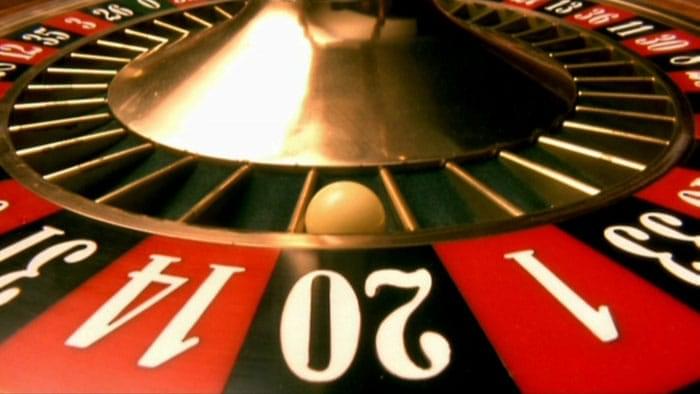
What makes casino stories so engaging is the illusion of control. Everything looks structured—rules, tables, odds—but randomness always sits quietly in the background. One spin, one card, one moment. That’s all it takes. And somehow, we know it while still hoping for the best outcome.
Small Bets, Big Trouble
Not all stories need skyscrapers or neon lights. Some of the strongest films about risk zoom in on smaller, more personal stakes. Uncut Gems is a perfect example. It follows a man who keeps pushing forward, deal after deal, believing the next move will fix everything. But instead of relief, pressure keeps stacking.
What makes it so gripping is how ordinary everything feels. Phone calls, shop visits, family arguments—all normal on the surface. Yet underneath, there’s constant tension tied to money and timing. One delayed response, one wrong decision, and everything shifts.
Even films like No Country for Old Men carry that sense of unpredictable consequence. Money becomes a trigger, not a goal. Once it enters the picture, people change direction quickly, often without fully realizing what they’ve stepped into.
These stories feel closer to real life in a way. Most people aren’t trading millions or running casino floors, but small financial and emotional risks happen daily. A missed opportunity. A rushed decision. A hope that things will balance out later.
And here’s the strange part: even when things go wrong, characters rarely stop believing the next move will be better. That persistence—sometimes hopeful, sometimes destructive—is what keeps the story moving.
Why These Stories Stay With Us
At the end of the day, movies about risk, money, and high stakes aren’t really about cash or cards. They’re about people under pressure, trying to stay ahead of consequences that don’t wait politely. There’s humor in it, tension in it, and sometimes a bit of discomfort too.
We watch them because they exaggerate feelings we already know. Uncertainty, ambition, hesitation, regret. All of it packed into fast scenes and sharp dialogue. And even after the credits roll, something lingers—a thought about timing, decisions, or that one moment where everything could have gone differently.
Maybe that’s the real appeal. Not the winnings, not the losses, but the space in between where anything still feels possible.