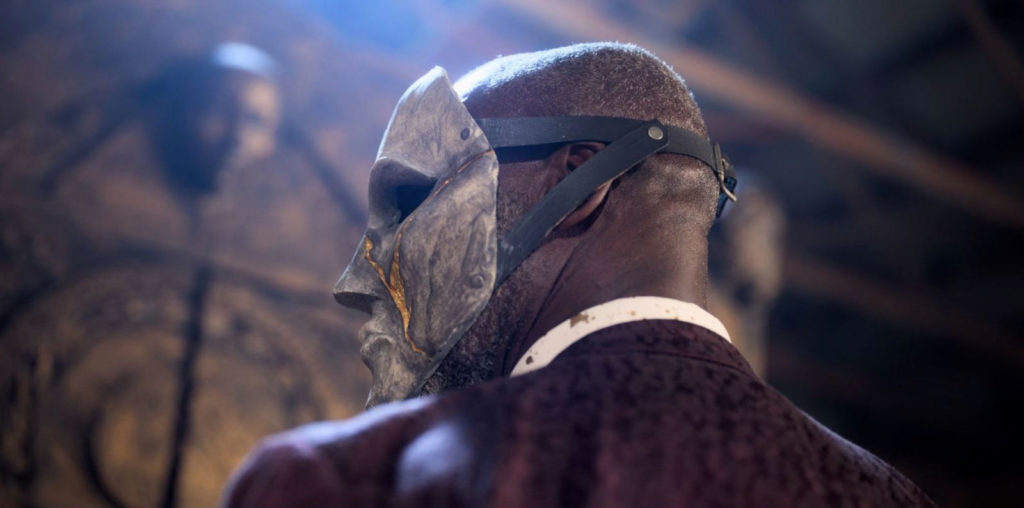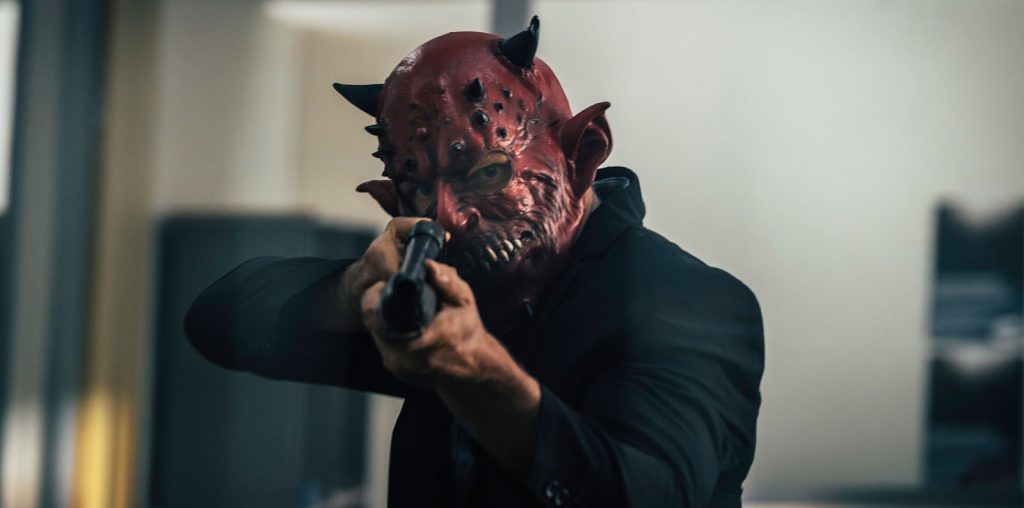
At a glance, poker movies make the game feel sharp, tense, almost cinematic by default. Every decision carries weight. Every hand seems to matter. Then you sit down in a real online session, and it feels different almost immediately. Not worse. Just quieter. More repetitive. Less dramatic, but strangely more demanding over time.
That gap between expectation and reality is where a lot of confusion starts.
Hollywood Narratives: Built for Impact, Not Accuracy
Movies need moments. Big ones. So poker gets framed around turning points, one hand, one read, one bold move that flips everything, much like the high intensity scenarios often associated with online poker. It works because it is easy to follow. You do not need to understand the full structure of the game to feel the tension. But the trade-off is obvious once you notice it. Rare hands show up constantly. Players act on instinct more than logic. Conversations at the table carry as much weight as the cards. It is storytelling first, gameplay second. And to be fair, that is the point.
What Online Play Actually Feels Like
Now compare that to a real online session. Hands move fast. Faster than most people expect. You are not sitting there waiting for a perfect moment. You are making decision after decision, sometimes across multiple tables, without much time to reflect. Nothing feels dramatic in isolation. A hand ends, another starts. Then another. And another. Over time, patterns begin to matter more than individual outcomes.
That is where the shift happens. You stop thinking in terms of moments and start thinking in terms of volume.
From Reading Faces to Reading Patterns
In movies, everything comes down to the stare. A glance, a hesitation, a subtle change in expression. Online, none of that exists. Instead, players look for different signals. Timing, for example. Someone acting instantly in a tough spot might be confident. Or automated. A delay can mean uncertainty, or just distraction. Context matters. Betting patterns carry even more weight. How often someone raises, how they size bets, how they react across similar situations. These details build a picture, slowly.
It is less intuitive, more analytical. And honestly, a bit less glamorous.
The Myth of the Hero Moment
This is probably the biggest disconnect. In films, everything builds toward one decision. The final hand. The big call. Win or lose, that is the story. Real play does not work like that. Most sessions are shaped by small edges. Slightly better decisions, repeated over and over. Sometimes you play well and still lose in the short term. That happens more often than people expect. What matters is not the one moment. It is whether your decisions hold up across hundreds, even thousands of hands.
Not exciting, at least not in a cinematic way. But it is where the actual results come from.
Where the Differences Show Up Most Clearly
The pace alone changes everything. Movies slow things down so you can feel each decision. Online play speeds everything up, sometimes to the point where hesitation costs you. Then there is the way decisions are made. On screen, intuition dominates. In reality, probability and structure take over pretty quickly if you want to stay consistent. Outcomes, too. Films love closure. One hand decides everything. Online, there is rarely that kind of clean ending.
Even the social side shifts. Instead of lively table talk, most interaction is minimal, often just numbers and actions on a screen.
Two Versions of the Same Game
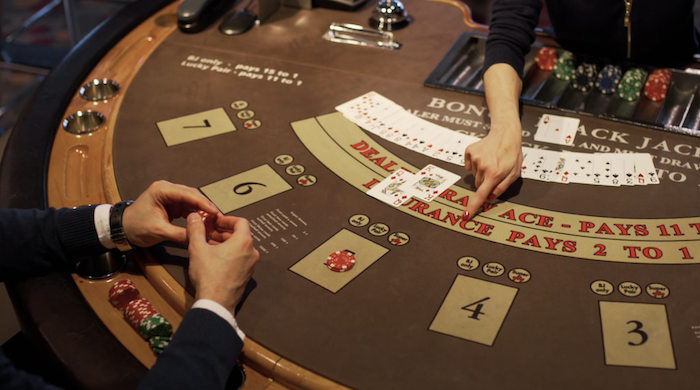
Picture a typical movie scene. A player sits at the table, tension building, everything riding on one decision. The room goes quiet. Cards are revealed. The outcome lands with weight. Now compare that to a regular online session. You are juggling tables. Decisions stack up quickly. Some hands you barely remember minutes later. After a few hours, you look back, not at one moment, but at overall performance. Did you make good choices consistently?
That is the real question.
Environment Matters More Than It Seems
Movies lean heavily on atmosphere. Lighting, sound, the room itself. Everything is designed to make the moment feel bigger. Online play strips most of that away. It is just you and the interface. Maybe some background noise, maybe not. The focus shifts inward. Less about the setting, more about the decisions themselves.
Some people find that dull. Others find it oddly satisfying.
Conclusion
Poker on screen and poker online share the same rules, technically. But they feel like two different worlds. One is built for storytelling. Clean arcs, dramatic peaks, memorable moments. The other is built on repetition, discipline, and small advantages that add up slowly. Understanding that difference changes how you approach the game. It removes the expectation of instant success, or defining moments, and replaces it with something less flashy but more realistic.
And once you see it that way, the grind starts to make a bit more sense.