Every great story depends on tension. When characters have something significant to gain or lose, audiences become emotionally invested. The Terminator protecting John Connor. John McClane battling against terrorists on his own. Michael Jordan putting his freedom on the line against the Monstars.
Either way, risk creates uncertainty while reward gives viewers a reason to care about the outcome.
This balance is among the most essential foundations of storytelling. That’s certainly the case in films where emotional stakes can transform simple plots into memorable cinematic experiences. The following guide explains why.
High Stakes Keep Audiences Engaged
Stories become far more compelling when the consequences feel serious. If an audience believes a character will succeed easily, wave goodbye to any tension. Risk creates suspense because viewers realize that failure is a possibility.
This is why so many successful flicks place characters in dangerous, emotionally difficult, or morally complex situations. Action movies raise physical stakes through survival. Dramas zone in on emotional or personal risks. In either case, uncertainty keeps viewers invested because outcomes remain unpredictable.
The greater the perceived danger, the more satisfying success becomes when characters finally overcome obstacles.
Reward Gives Stories Emotional Payoff
Risk alone is not enough for successful storytelling. Audiences also need to feel that, in the end, achieving success will matter. Reward is an emotional payoff, one that gives purpose to the struggle characters endure throughout the story.
This reward does not always need to involve victory or financial gain. In many films, the reward can be:
- Redemption
- Freedom
- Love
- Justice
- Personal growth
Emotional rewards are generally more powerful than material ones for a key reason: viewers connect with the human side of the journey. When stories balance risk and reward effectively, audiences experience stronger emotional reactions because the outcome feels earned rather than guaranteed.
Uncertainty Creates Suspense
Suspense is one of the strongest emotional tools in cinema. It also depends heavily on uncertainty. Because they don’t know exactly how situations will unfold, audiences remain glued to the screen.
The likes of thrillers, horror flicks, and crime dramas regularly rely on this structure. Characters make risky decisions while viewers anxiously wait to see the consequences. Even slower-paced films use uncertainty for tension between scenes and character relationships.
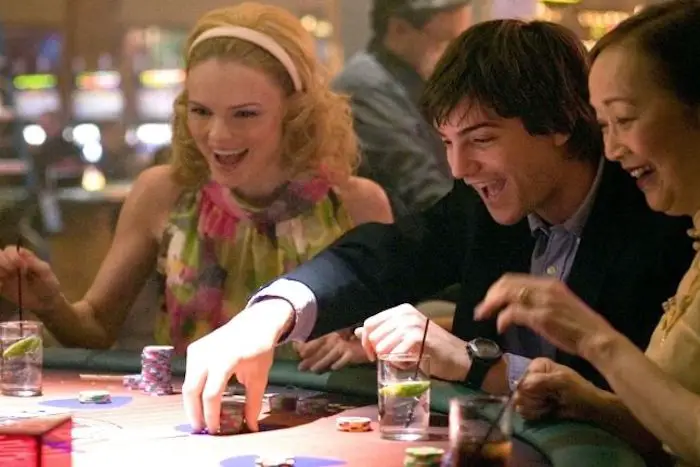
This same psychological appeal exists across many forms of entertainment. As seen at Lonkero Kasino, this platform uses unpredictability within games such as slots, roulette, and blackjack to generate anticipation and emotional engagement. Yes, it’s very different from movie storytelling. However, the underlying tension comes from the same principle: audiences remain invested when outcomes are uncertain, and rewards feel possible.
A Dependence on Emotional Investment
Ultimately, risk and reward matter because they create emotional investment. Audiences care more deeply about stories when characters face significant consequences and pursue worthwhile goals.
Without tension, stories can feel predictable and fall flat emotionally. Risk introduces uncertainty, while reward offers hope and motivation. Bring them together, and they create an emotional rhythm that keeps viewers connected from beginning to end.
This balance is one of the key reasons why certain films stay memorable long after the credits roll.