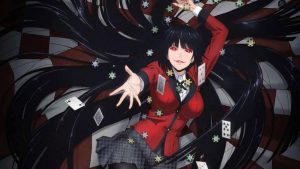
Anime has a distinctive way of making characters memorable. Expressive eyes, dramatic lighting, carefully chosen colours and detailed backgrounds can communicate a character’s personality before they even say a word. For fans, this visual language is a big part of what makes anime so enjoyable. It also explains why turning an ordinary selfie into an anime-style portrait has become an interesting creative activity.
A regular photograph captures someone as they look in everyday life. An anime-inspired portrait offers a different interpretation. It can make a person look like the lead character in a fantasy adventure, a quiet figure in a coming-of-age story or someone stepping into a futuristic science-fiction world. AI image tools make experimenting with these looks more accessible, even for people who have never drawn a character before.
Why Anime Portraits Appeal to Fans
Anime is more than a particular drawing style. Different productions use visual choices to establish mood, personality and atmosphere. A warm colour palette can make a scene feel nostalgic, while dramatic shadows and intense expressions can create tension. A character’s hairstyle, clothing and surroundings can also help suggest the kind of story they belong in.
Fans often connect with these details because they make fictional worlds feel recognizable. Turning a selfie into an anime-style portrait allows someone to experiment with similar visual ideas without having to create a character entirely from scratch.
Some people want a portrait that resembles a familiar animation aesthetic, while others prefer something more personal. They might imagine themselves as a school-life protagonist, a fantasy traveller, a detective in a dark city or a character in a colourful slice-of-life series.
The result does not have to represent a particular existing character. In fact, creating an original interpretation can be more interesting because it gives the person room to explore their own visual identity.
From an Ordinary Selfie to an Anime Character
The starting point is usually a photograph. A clear selfie gives an AI tool information about the person’s face, expression, hairstyle and general appearance. The tool then uses that image as a reference when creating a stylized version.
The transformation can involve several visual changes. Facial features may become more simplified, eyes may appear larger or more expressive, and skin tones and lighting may be interpreted through an illustrated colour palette. Hair can take on smoother shapes, while the background may be replaced with something that feels more like an animated scene.
For fans who want to experiment without drawing manually, a tool such as the best ai anime generator can be one option to explore. CapCut’s AI anime generator offers a way to use a personal photo as a reference and experiment with anime-inspired results. It can be considered as part of a wider creative process rather than a substitute for an artist’s individual style.
The important thing is to approach the result as an interpretation of a photograph, not an exact reproduction of an animated character.
Choosing the Right Selfie
The photograph you start with can influence the final portrait. A selfie does not need to look professionally photographed, but it helps when the face is reasonably clear and visible.
A picture with good lighting makes it easier to see facial details. Strong shadows, heavy filters or an unusually dark background may affect how the image is interpreted. A simple photograph taken in natural light can provide a useful starting point.
Expression also matters. A neutral expression may create a calm character portrait, while a smile can suggest a friendly or cheerful personality. A serious look might suit a darker fantasy or action-inspired concept.
The angle of the photograph is another consideration. A straight-on selfie can make facial details easy to recognize, while a slight turn of the head may give the portrait a more cinematic feeling. It can be worth trying more than one photograph to see how different expressions and angles affect the result.
Fans should also consider whether the original image includes other people. If it does, it is best to use a photograph only when everyone pictured has agreed to its use.
Exploring Different Anime Moods
One of the most enjoyable parts of creating an anime-style portrait is choosing the mood. Anime covers many genres, and each one offers different visual possibilities.
A fantasy-inspired portrait might use glowing backgrounds, unusual landscapes and rich colours. A science-fiction interpretation could introduce futuristic clothing, artificial lighting and a city filled with digital displays. A quieter portrait might use softer colours and a simple background to create a reflective atmosphere.
These choices are similar to decisions made during film production. Cinematographers think about lighting, framing and colour to help communicate emotion. Character designers consider clothing, facial expressions and silhouette. Even a single portrait can use these ideas to suggest a larger story.
Rather than selecting a style simply because it looks impressive, think about the kind of character you want the image to represent. Would the person look more at home in a lighthearted school comedy or an atmospheric mystery? Would a bright background suit the expression, or would a darker setting create a stronger contrast?
Having a general idea before generating an image can make the creative process more focused.
Making the Portrait Feel Personal
An anime portrait becomes more interesting when it reflects something about the person rather than relying only on a familiar visual style.
Small choices can make a difference. Someone who enjoys music might imagine a character holding an instrument or standing in a rehearsal room. A person interested in photography could choose a city setting with cameras and visual equipment. Someone who loves fantasy stories might prefer a landscape that suggests a fictional world.
Clothing and accessories can also help communicate personality. A casual outfit may create a relaxed everyday character, while a more dramatic costume can suggest an adventure or action story. The background can support the idea without taking attention away from the face.
It is worth remembering that more detail does not always mean a better image. Too many background elements, accessories or effects can make a portrait feel crowded. A clear central subject often creates a stronger result.
Why Prompts and Adjustments Matter
AI image generation is not always a one-step process. The first result may look different from what someone imagined. Facial details might not match the original photograph closely, the background could feel unrelated, or the overall mood may be too dramatic.
This is where prompts and adjustments become useful. A prompt is simply a description of the visual direction you want. It can include the type of anime-inspired appearance, the mood, the lighting and the background.
For example, a person might describe a warm, hand-drawn-looking portrait with soft evening light and a peaceful city background. Another might prefer a futuristic setting with cooler colours and a more dramatic atmosphere.
It is generally easier to work with a few clear ideas than to include a long list of unrelated visual instructions. If the result is not quite right, changing one part of the description at a time can make it easier to understand what has improved.
Different tools may interpret the same description in different ways. That is part of the experimentation. The goal is to find an image that communicates the intended mood, rather than expecting every generation to match an exact mental picture.
The Connection Between Anime Art and Film Language
For a film audience, anime portraits can be an interesting way to explore visual storytelling. A portrait is a single image, but it can still suggest a character, a setting and even a possible narrative.
Consider how a filmmaker introduces a character. The audience may learn something through costume, lighting, camera position and the environment around them. An anime-style portrait can use similar visual signals.
A character shown against a bright, colourful background might appear optimistic or adventurous. A portrait with deep shadows and a narrow colour palette could suggest a more serious personality. A close-up that emphasizes the eyes may make the image feel emotional or dramatic.
These details help explain why some AI-generated portraits feel more engaging than others. The strongest images are not necessarily the most complicated. They are often the ones where the expression, colours and setting work together.
Fans can use this approach to create portraits that feel like stills from an imaginary animated film. They might even develop a small collection showing the same person in different fictional genres.
Using Anime Portraits Beyond Social Media
Profile pictures are an obvious use for anime-style selfies, but they are not the only option. A personalized portrait can also become part of a digital scrapbook, a fan community profile or a creative project.
Some people may use their portraits as inspiration for original characters. Others might create a set of images representing different moods or fictional settings. A group of friends could even explore matching portraits with different character designs, provided everyone agrees to have their photographs used.
For people interested in storytelling, these images can also serve as visual references. A writer might use a portrait to imagine the appearance of a character, while an aspiring filmmaker could experiment with different costume and colour ideas before developing a visual concept.
However, AI-generated images should be treated as creative starting points. They do not automatically provide the consistency or artistic control needed for a finished animation, comic or professional character design. A more developed project may still benefit from the involvement of an illustrator or designer.
Privacy and Creative Responsibility
When using a personal photograph with an online AI tool, it is worth considering privacy before uploading anything. Check the platform’s current privacy information and understand how uploaded images may be processed or retained.
Avoid uploading photographs of other people without their permission. This is especially important when images include children or people who may not understand how their photographs will be used.
It is also sensible to be thoughtful about how the finished portrait is shared. An anime-inspired version of a selfie is still based on a real person’s appearance. Sharing it in a public community should respect that person’s preferences.
Fans should also distinguish between creating an original anime-inspired image and presenting it as official artwork from an existing series. A personal portrait can borrow broad visual ideas without pretending to be an authorized character design or production image.
Conclusion
Turning a selfie into an anime-style portrait brings together personal photography, visual experimentation and a love of animated storytelling. It gives fans a way to imagine themselves in different fictional worlds and explore how colour, expression, lighting and setting can change the feeling of an image.
The process can be simple, but the most interesting results often come from thinking about the character behind the portrait. Choosing a suitable photograph, considering the mood and making thoughtful adjustments can help create an image that feels more personal.
For film and anime fans, the appeal is not just seeing a familiar face in an illustrated form. It is the opportunity to play with visual storytelling and imagine a new character, even if that character begins with nothing more than an ordinary selfie.