
In the early 1990s, a sudden, violent cultural shift occurred that left an entire industry looking like fossils overnight. For a decade, mainstream rock music had been dominated by bloated hair metal acts. These bands toured with millions of dollars in pyrotechnics, massive production budgets, and heavily managed corporate backing, entirely confident that they owned the keys to the kingdom.
Then Nirvana’s second studio album, Nevermind, hit the shelves in the fall of 1991.
To say it was a paradigm shift is an understatement. Nevermind was a cultural earthquake that completely shattered the music industry’s established rules. Overnight, the stadium-sized smoke and mirrors looked completely ridiculous in the face of grunge rock. Kids didn’t want polished, over-produced, hyper-managed corporate products anymore. They started thrift shopping, grabbing pawn-shop guitars, and finding raw, unapologetic, visceral truth in crowded garage shows and dimly lit coffee shops. The gatekeepers didn’t see it coming because they were too busy admiring their own reflection in the studio mirrors.
Welcome to 2026. We are living through the exact same revolution, but this time, the stage isn’t a Seattle club; it’s a movie theater canvas being torn away by a new generation of filmmakers.
Autopsy of a Corpse
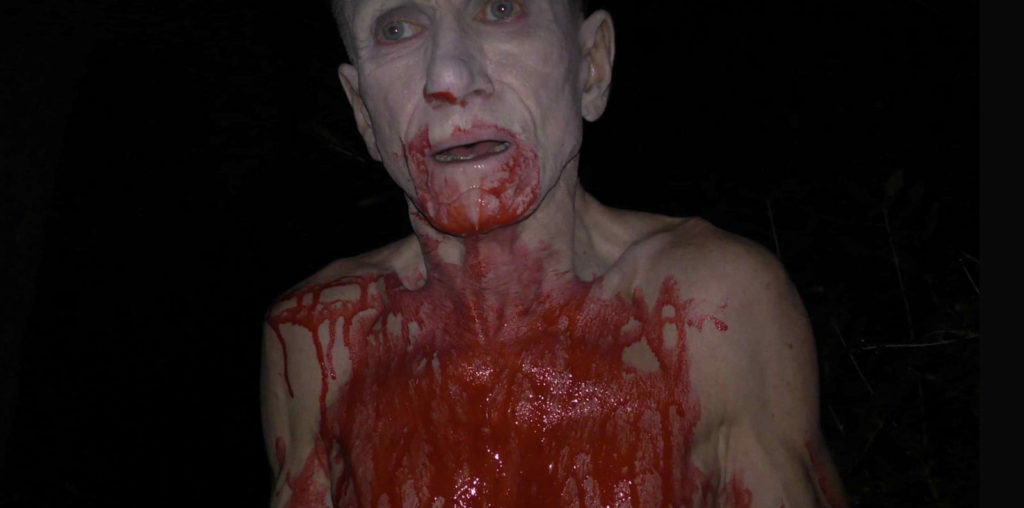
Mainstream Hollywood is a walking corpse. Its infrastructure is rotting from the inside out, hollowed out by a sterile, hyper-monetized, risk-averse machine run entirely by corporate committees, focus groups, and defensive egos. It is an ecosystem that copies and pastes dead intellectual property until the well runs dry, treating audiences like predictable data points while actively choking out any inkling of original thought.
“Kids didn’t want polished, over-produced, hyper-managed corporate products anymore.”
The younger generation, Gen Z and the digital natives behind them, simply do not care about big-budget studio fare. They have completely walked away from the prefab pop-culture bubble. And rather than stepping up to look at its own creative bankruptcy, the legacy system has turned into a literal zombie; festering, rotting, and trying to “eat the brains” of the independent creators who are actually keeping the medium alive.
When a studio insider tries to break ranks and use the new frontier of technology to disrupt things, the zombie industry deploys its ultimate defense mechanism: the public struggle session.
Look no further than what just happened to director Jorge Gutierrez (The Book of Life). Amazon launched its GenAI Creators’ Fund, and Gutierrez attempted to step onto the new frontier to fast-track an independent project called Punky Duck. The moment he did, the establishment hall monitors swarmed. They subjected a seasoned creator to an online public lashing, (ironically led by “Temu Tim Burton” Guillermo del Toro) manufacturing enough mass backlash and pressure to force Gutierrez to publicly apologize, drop his project, and bend the knee to the guild-enforced status quo.
It is pure, desperate cope. The legacy gatekeepers know they have lost the audience, so they police their boundaries with pure intimidation, demanding that creators remain on the corporate plantation.
The Garage Bands of the Big Screen
But while the legacy studios are busy holding ideological trials for their own workforce, the new wave of garage-band auteurs is bypassing the gatekeepers completely. The underground isn’t begging for permission anymore; it’s seizing physical multiplexes.
“The legacy gatekeepers know they have lost the audience, so they police their boundaries.”
What makes this shift truly terrifying for Hollywood is that none of these breakout hits relied on studio backing or massive budgets. They are succeeding on pure, raw craftsmanship:
- The Terrifier Series: Damien Leone proved that uncompromised, unapologetic, micro-budget practical effects could build a global cult phenomenon and hijack the box office entirely through grass-roots word of mouth.
- The Amazing Digital Circus: Born from an independent, creator-led animation studio (Glitch Productions), this viral internet phenomenon completely blindsided traditional distributors. It managed to bypass studio gatekeepers entirely, surging into a massive, multi-million dollar global rollout across over 2,000 physical screens.
- Iron Lung: Self-financed, produced, and distributed by YouTube native Markiplier, proving that a single digital-native creator can mobilize an iron-clad community straight into brick-and-mortar cinema seats.
- The Backrooms: Engineered by Kane Parsons, who taught himself visual effects via online tutorials in middle school, bypassing film school entirely to direct a feature-length A24 psychological masterpiece alongside Oscar-caliber talent at just 19 years old.
- Obsession: Written, directed, and edited by 26-year-old creator Curry Barker. Shot in less than a month on a shoestring budget of under $1 million, this masterclass in spatial tension and psychological horror has barreled past $100 million worldwide, pulling the younger demographic to the multiplex in droves.
With my own upcoming animated sci-fi feature, Escape From Planet Omega-12, I am throwing my hybrid hat squarely into this exact same ring. By layering high-intensity performance capture, handcrafted practical effects miniatures, and targeted AI tools, independent filmmakers are discovering how to achieve massive visual fidelity without the studio-mandated bloat. I know this will make me a target if I’m successful, but why should I care? They never cared about anything we did before, except to step on us when we did something before they did. The zombies can choke on craft service brain rot.
Reclaiming the Canvas
The anti-AI doomers scream that new technology is a threat to the artistic soul, but they aren’t looking at the big picture. They are hyper-focused on AI as a scapegoat, using it to blame all of their problems on, when in reality, a machine is the least of their worries. Hollywood was already brain-dead and creatively bankrupt long before the first neural network was wired up.
The garage band revolution was already happening with digital cameras, home VFX and editing, miniatures, and sheer determination. But once independent creators fully integrate AI into this mix, it will be the definitive kill shot that takes out the zombie once and for all.
“They are succeeding on pure, raw craftsmanship.”
AI isn’t here to replace the soul of storytelling; it is a propellant that gives the independent polymath the scale, agility, and speed to run a home studio like a major production house. It cuts out the need for a hundred corporate middlemen, focus groups, and permission slips.
Hollywood can continue to hold its struggle sessions and cry about the future until they are blue in the face. They can stay in their crumbling temples, worshipping their flowchart-driven golden calves. The underground has stopped listening. We have our own kingdoms to build, and the garage bands are already playing.
Christopher Moonlight is an animator, special effects artist, and the director of the ‘Award This’ winning movie, The Quantum Terror. His upcoming animated sci-fi adventure, Escape From Planet Omega-12, combines traditional film-making special effects with AI to create something never seen before in independent film. You can follow the behind-the-scenes, including tutorials, tips, and tricks, on his YouTube Channel, Substack, and christophermoonlight.productions website.

Thank you. Glad you enjoyed that.
GREAT QUOTE!! “Mainstream Hollywood is a walking corpse. Its infrastructure is rotting from the inside out, hollowed out by a sterile, hyper-monetized, risk-averse machine run entirely by corporate committees, focus groups, and defensive egos. It is an ecosystem that copies and pastes dead intellectual property until the well runs dry, treating audiences like predictable data points while actively choking out any inkling of original thought.”