There’s a case to be made that the heist film is the last mainstream genre where structure itself is the spectacle. Not explosions, not star power — structure. The planning sequence, the ticking clock, the carefully engineered moment where everything goes sideways. Few other genres weaponize their own architecture this deliberately or this consistently.
What makes heist films distinct isn’t just what happens on screen. It’s the relationship between what the audience knows, what the crew knows, and what everyone else is scrambling to figure out. That information asymmetry is the engine. Strip it away, and you don’t have a heist film anymore — you just have a crime movie.
Why Heist Films Weaponize the Setup
The planning sequence is where heist films earn their tension before a single dollar is stolen. Blueprints spread across tables, rehearsal montages, split-second timelines laid out like surgery — these scenes do something unusual: they make the audience complicit in the crime. You’re rooting for the plan to work, which means you’re terrified of the moment it won’t.
This is deliberate genre architecture. Unlike action films that deliver thrills reactively, heist films front-load dread. You know something will go wrong. The genre practically promises it. That anticipation — sustained across an entire second act — is the closest cinema gets to pure, formal tension.
Misdirection as the Genre’s Core Tool
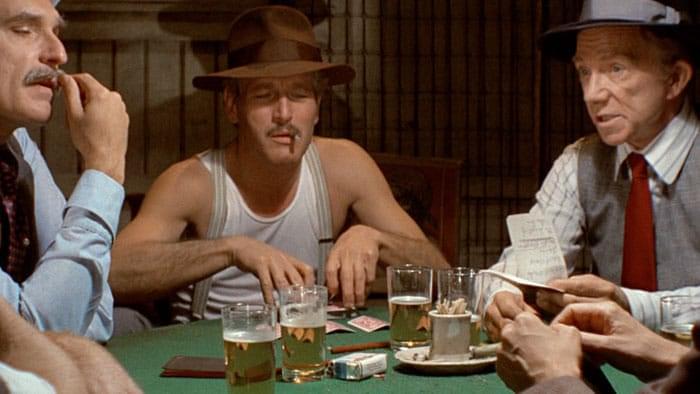
Audience misdirection is where heist films separate themselves from almost every other thriller format. The genre actively deceives its viewers, then rewards them for being deceived. The best entries — The Sting, Heat, Ocean’s Eleven — don’t just surprise you. They make you feel like you should have seen it coming.
For audiences drawn to layered, high-stakes storytelling, this kind of narrative architecture has obvious appeal across entertainment formats. Viewers who gravitate toward GamblingInsider’s crypto casinos listed understand something similar: the best experiences are built on transparent rules and hidden information interacting at speed. Heist cinema delivers that exact dynamic — just with a crew and a vault instead of a deck of cards.
Where Digital-Age Stories Expand the Stakes
Streaming has turbocharged the heist genre’s reach without diluting its core appeal. Jewel Thief – The Heist Begins, a 2025 Hindi thriller, accumulated 16.1 million views in two weeks on Netflix — a figure that puts it among the platform’s biggest non-English films of the year. That kind of number isn’t driven by franchise IP or sequel recognition. It’s driven by premise.
Netflix’s own viewing data reinforces the point. According to Netflix’s first-half 2025 report, heist-linked titles consistently rank among the most replayed content on the platform — precisely because their layered plotting rewards a second watch. Streamers have noticed, commissioning heist-adjacent franchises specifically because the format binge-compresses naturally.
What Survives When the Twist Lands
The real measure of a great heist film isn’t the twist itself — it’s whether the tension survives contact with it. Weak entries collapse the moment the reveal lands; you stop caring because the film has already played its hand. The genre’s best work does the opposite. The revelation recontextualizes everything that came before, extending the experience rather than ending it.
That’s why critics still reach for heist films when discussing what genre cinema can do at its most disciplined. Often, the films that endure are the ones judged first on sustained dread — not on spectacle or charm. Quips can decorate a heist film. They can’t carry one. When the structural tension holds from opening blueprint to final escape, the genre delivers something genuinely rare: a film where the architecture is the art.