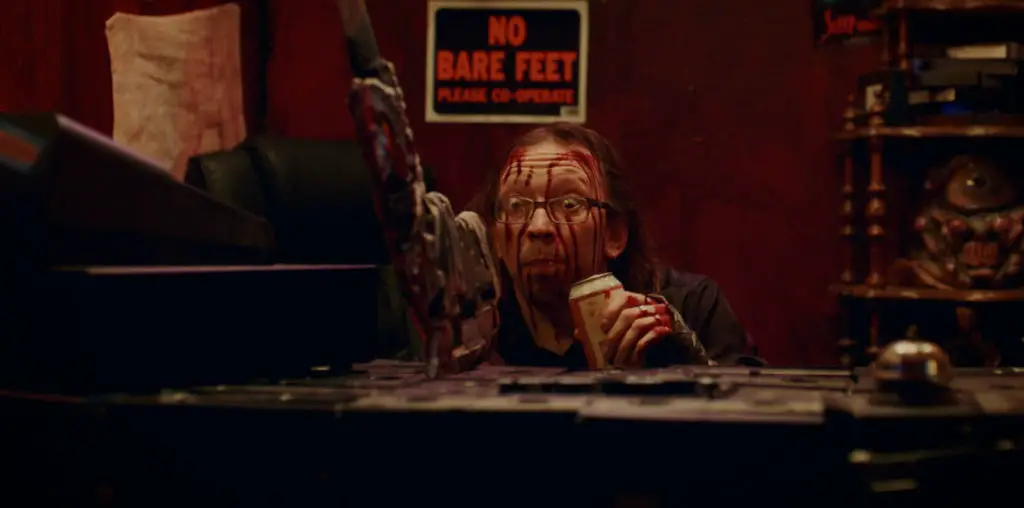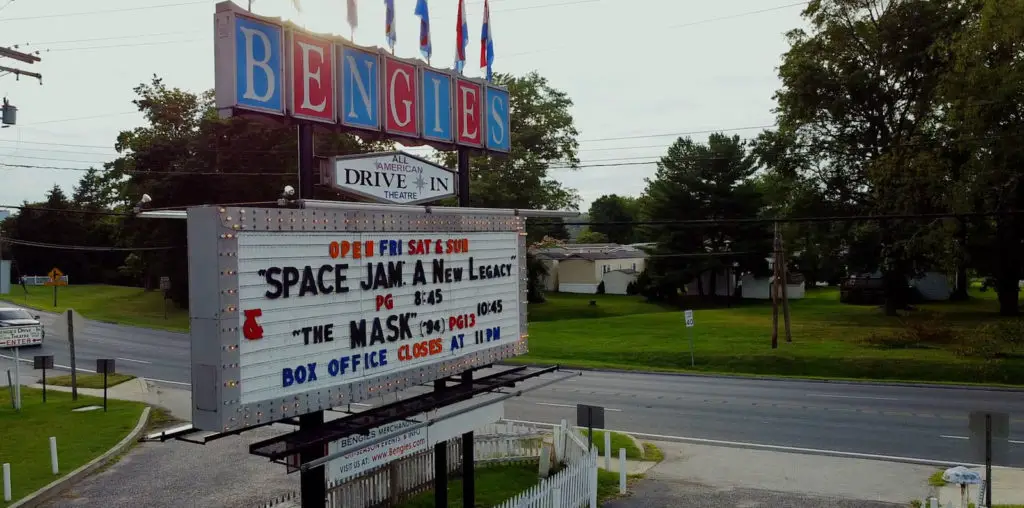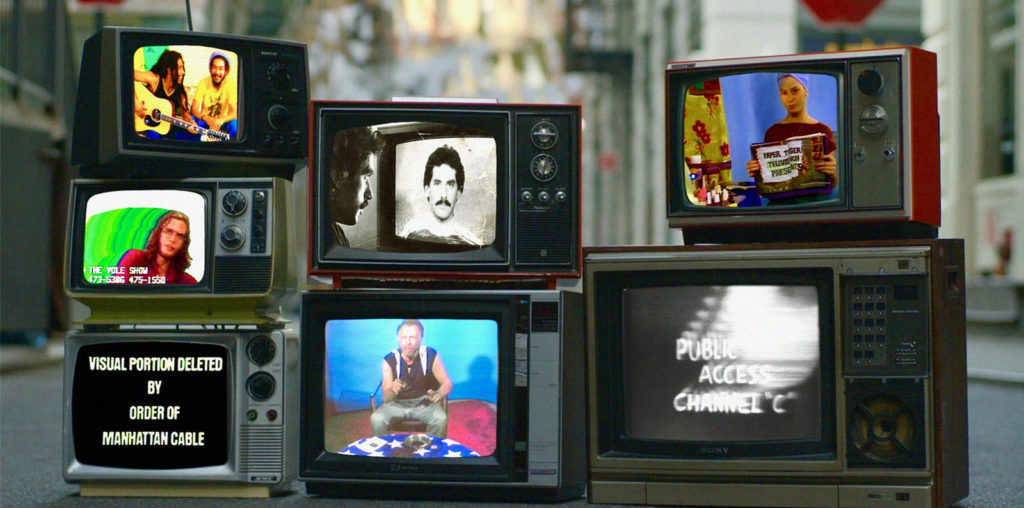
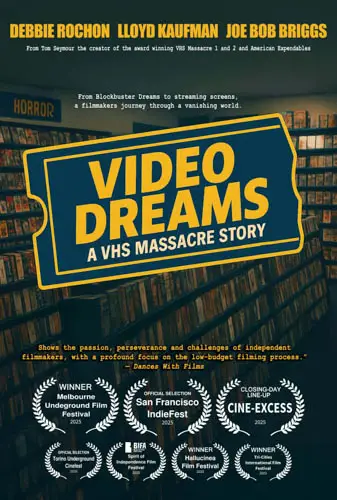
Writer-director Tom Seymour’s Video Dreams: A Video Massacre Story is autobiographical, thoroughly sourced, and comprehensive in its storytelling. A self-made independent filmmaker whose career spans the past 30 years, Seymour has been trying to make it in the independent video market for much of that time. The documentary spans the 1990s to today, meaning there’s a lot of contemporary American History displayed to contemplate. Not political history, dear reader, but my favorite historical topic: cinematic history. The narrative explores the origin point of Tom Seymour and his best friend, Tim Kulig. Two boys from Central Connecticut who go out of their way to break into the film industry.
The two were raised on regular forays to Blockbuster Video. As such, they decided that they wanted nothing less than for one of their films to be on the shelves of the beloved video store. Seymour dives into the difficulties of both making a movie and, further, making a movie deemed worthy of being on the shelf of a Blockbuster. Dear reader, I want everyone to witness this video history, so I will not be spoiling anything. To find out if they’re successful, you simply must watch this film. But I will say, it’s fascinating to witness someone narrate a deeply personal story that aligns with your own history, dear reader. I am sure this will hit home for all Gen X-ers and older millennials.
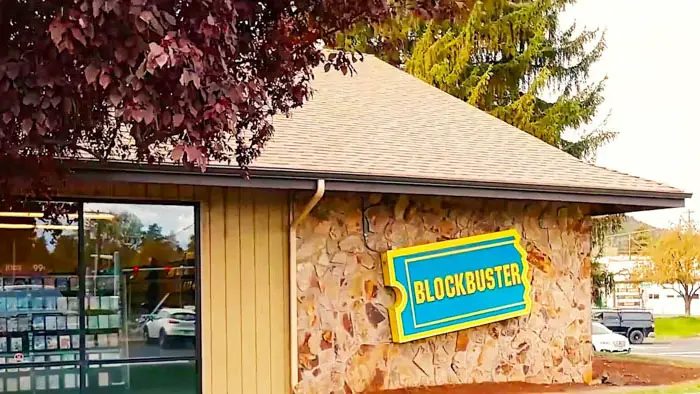
“…dives into the difficulties of both making a movie and, further, making a movie deemed worthy of being on the shelf of a Blockbuster.”
The art and craft of filmmaking have changed profoundly over the course of Seymour’s career. Starting out with Super-8, then transitioning to video filmmaking, and then to digital video, and now streaming. Video Dreams: A Video Massacre Story covers this entire trajectory as it occurred in real time. This is the sort of motion picture any aspiring filmmaker needs to see. Indie artists need to look to Tom Seymour’s example to understand the upsides and downsides of independent filmmaking. Through his endeavors, the director meets a great many notable people, including Lloyd Kaufman of Troma infamy and Debbie Rochon. Both of them would work with Seymour as his career progressed. There is a richness of life on display in almost every scene. I definitely see why film festivals have awarded this film. It’s quite the gem.
Also, the documentary is a textbook example of how to shoot and edit a documentary. Lots of footage from other films is on display. Interviews are lensed inexpensively with a digital video camera. Seymour and Kulig provide their own narration. There is a homespun aesthetic on display that I found most charming, dear reader.
Video Dreams: A Video Massacre Story is a life-affirming autobiography posing as a documentary. Made for $10,000, the flick serves as a textbook example of low-cost independent filmmaking at its finest. For all filmmakers out there, this is a must-watch.
"…for all filmmakers out there, this is a must-watch."