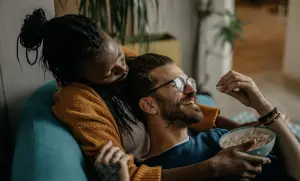
Rom-coms promise one perfect glance, a rain kiss, and instant forever. Online dating runs on thumbs, timing, and basic honesty. Millions meet through apps now, so flirting has turned into a mix of profile choices, message rhythm, and real-life follow-through. The good news: reality has better odds than a script and far less fake drama. It also rewards people who show up, speak plainly, and don’t ghost.
Rom-com habits ruining your swipes
Rom-com logic makes people swipe like casting directors. One “off” photo becomes a hard no, one bland line becomes a personality verdict, and a perfectly normal delay in replies turns into a full mental spiral.
The worst habit is shopping for a scripted fantasy instead of a real person. That’s how daters end up treating a regular app like a hookup website, then acting shocked when conversations stay shallow or vanish after two spicy messages.
Another classic mistake is expecting mind-reading. Profiles get written like riddles, then the same people complain about “low effort” openers. If the bio provides nothing, the chat offers nothing in return. Add the obsession with “the spark” on message one, and plenty of solid matches get tossed for failing to perform on demand.
What online dating really rewards
Online dating rewards clarity, pace, and self-control. Photos get the first glance, but the profile text and messaging style decide if someone feels safe enough to keep talking, or bored enough to ghost.
The quickest upgrade is stating intentions without sounding like a corporate memo. Looking for a relationship, casual dating, or something slow can be said in plain words. Boundaries also belong early, not after three dates and one awkward makeout that nobody asked for.
That’s where asexual dating tips quietly make online dating better for everyone. They center clear communication, respect for comfort levels, and dropping the assumption that sex is the default goal.
Also, fewer mixed signals means fewer “situationships” built on avoidance. A match who reacts badly to a simple boundary saves time by showing the red flag immediately.
The chat-to-date playbook (no montage required)
A match needs momentum. Endless texting inflates expectations and kills chemistry. A brief bio with two details, some up-to-date images, and an explicit goal statement will do the trick. Open with one comment plus one question, then reply on time and in full sentences. Stay flirtatious, not explicit, until interest is obvious. Modern screens mirror this shift, as the swipe-era love lessons framing shows.
Move to a low-stakes plan after a day or two: coffee, a walk, one drink. Pick a place, set a time, and confirm once. Skip trauma dumps, salary interviews, and “send pics” requests. If plans get dodged twice, unmatch. Keep the first meeting under an hour, then decide fast. Only give out your number when you’re ready, and don’t tell anyone where you live until the date. A quick call helps you confirm the aura and manners.

Making it last in the real world
After the first date, being honest and consistent is the key to success. Charm doesn’t cost much. Reliability is hard to find and highly hot.
Look for practical signs. Shows up on time. Communicates plans. Doesn’t punish with silence. Respects “no” the first time. Doesn’t treat boundaries like a negotiation.
Pay attention to how disagreements get handled. A grown adult can clarify a misunderstanding without passive-aggressive jabs, jealousy games, or disappearing for “space” that somehow includes posting thirst traps.
Long-term romance is built by repeating small good choices. Plan dates. Continue flirting. Talk about expectations before resentment starts getting comfortable.
Conclusion
Romantic movies can keep standards high, but online dating needs standards that work on a Tuesday night with real schedules. Be fearless, be flirtatious, and hold on to optimism. Drop the scripts, say what’s wanted, and treat people like people instead of plot devices.