Co-directed by Ammie Masterson and Kevin Machate, and written by Machate and Todd Rodgers, Worst Enemy is a tight, semi-autobiographical short that stares straight at what happens when trauma is buried rather than treated. Shane Snyder (Machate) is a veteran hiding behind a wall of isolation and booze. His VA therapist, Dr. Tucker (Ammie Masterson), hands him a diagnosis he didn’t want. Shane has Major Depressive Disorder and Borderline Personality Disorder.
Feeling lost, he has only his cousin Ashley (Beth Shea), a working actress and Shane’s biggest fan, as his lifeline. Ashley is the one person who believes his life is worth saving and that the abuse he received from his late mother is not his fault. Despite the diagnosis, things are looking up as Shane is starting a new job in the next few days. On the other hand, there is Shane’s father, Jim (Barry Corbin), also a veteran, who doesn’t believe Shane should be living off of the government’s dime, and his advice for depression is to “suck it up.” Barely hanging on after this encounter, Shane receive a phone call about his upcoming job…
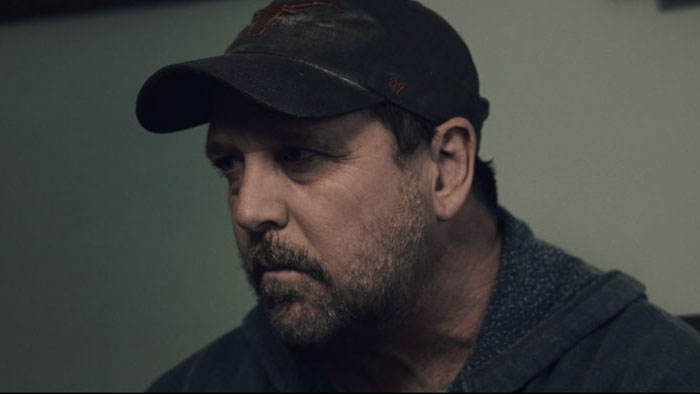
Shane Snyder (Kevin Machate) wrestles with his inner demons in the short drama Worst Enemy (2026).
“Shane Snyder is a veteran hiding behind a wall of isolation and booze.”
Worst Enemy is part drama and part awareness story. Depression, along with Borderline Personality Disorder, is a challenging combination, to say the least. BPD affects how a person feels about themselves and others, and in Shane’s case, was brought on by never dealing with the abuse from his mother. Kevin Machate gives an amazing performance as Shane. Directed by Machate and Ammie Masterson, the film immediately makes Shane’s situation clear and helps us empathize with his plight. Extreme mood swings are associated with BPD, and we feel them. At the same time, Beth Shea’s performance as Ashley gives the film its heartbeat—and its humanity.
While 23-minutes long, Worst Enemy is a punch to the gut about the damage we inherit, and the damage we pass on. Masterson, Machate, and Rodgers leave you with the clearest takeaway: ignoring the root doesn’t make it vanish; it just makes the collapse louder.
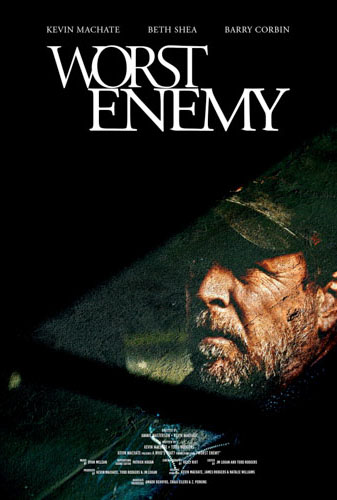
"…a punch to the gut.."