The most disconcerting thing about a cursed object movie is that the object always knows more than you do. In Whistle, written by Owen Egerton,that object is an ancient death whistle, filled with skull-faced malice and bad intentions, sitting quietly in a school locker until someone does what teenagers have done since time immemorial: blows the thing we all know they shouldn’t. From there, the film takes off with the confidence of something that knows exactly where it is headed, even if it is less sure about why.
Whistle is directed by Corin Hardy, who has always had a knack for atmosphere, and here he goes full throttle. This is a drab, damp, end-of-the-road town, the sort of place where everyone seems to be waiting for something to happen, preferably elsewhere. Cue Chrys (Dafne Keen), the outsider new kid bristling with guardedness and bruised sincerity. As often happens in teen horror movies, she finds herself among a group of unlikely friends with little in common, until something horrible connects them.
The hook works well. Blow the whistle, or even hear it, and death comes for you in the form you were always destined to meet, just much earlier than planned. A car crash without the car. Old age without the years. It is a cruel idea, and occasionally a clever one, though the film doesn’t always exploit it as fully as it might. Sometimes the deaths feel philosophically pointed. Sometimes they just feel hasty, which may well be the intention.
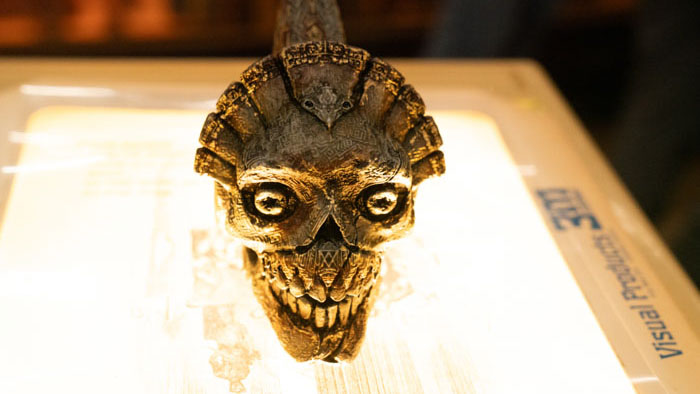
“Blow the whistle, or even hear it, and death comes for you…”
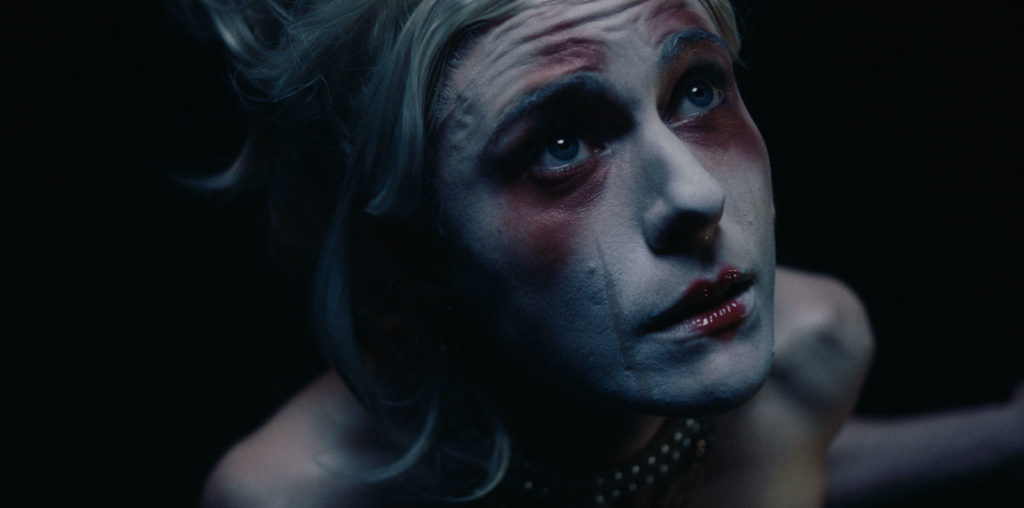
The death scenes are where Hardy really (and literally) cuts loose. Limbs snap, bodies distort, and the special effects relish the specifics of damage in a way that recalls the Final Destination films without quite the level of complexity. You can sense the director enjoying himself, and that enjoyment counts. There is a carnival sequence that feels like Hardy briefly handing the film over to his inner 14-year-old, and honestly, that is when it works best. Between the deaths, the narrative teeters. Supporting characters drift in and out with sketchy motivations, and relationships are introduced only to be abandoned when the next scare beckons. The romance between Chrys and Ellie is handled gently, but never quite finds space to develop. However, this is typical in films from the periods that inspired this rather traditional high school horror, so perhaps it shouldn’t be surprising.
There is an uneasiness around the whistle’s origins, gestured at and then hurried past. The script seems aware of the problem without wanting to linger on it, which leaves an odd aftertaste. But when Whistle stops thinking and starts moving, it is effective. Hardy understands rhythm: he knows when to hold a shot, when to jolt you, and when to let the gore do the talking.
Much like the rides at the carnival, Whistle delivers heady highs and some disconcerting lows, sometimes within the same scene. It’s a film with flashes of imagination and nostalgia that suggest something brighter lurking beneath the surface. Much like the whistle itself, it delivers on what it promises, and the noise it makes is hard to ignore.
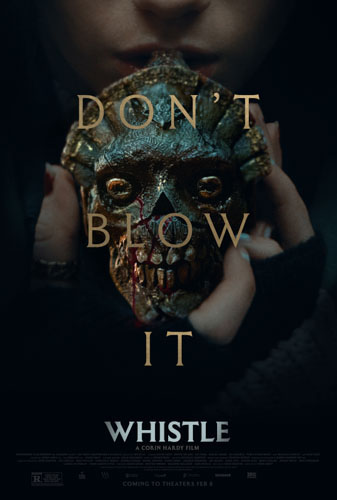
"…the special effects relish the specifics of damage in a way that recalls the Final Destination films..."