Director/co-writer Alex Bezeau explores the tourism popularity of U.S. Southern plantations in his documentary Vacation Plantation. His producing partner, archeologist Lauren Cudmore, conducts interviews with plantation owners, academics, and Black activists.
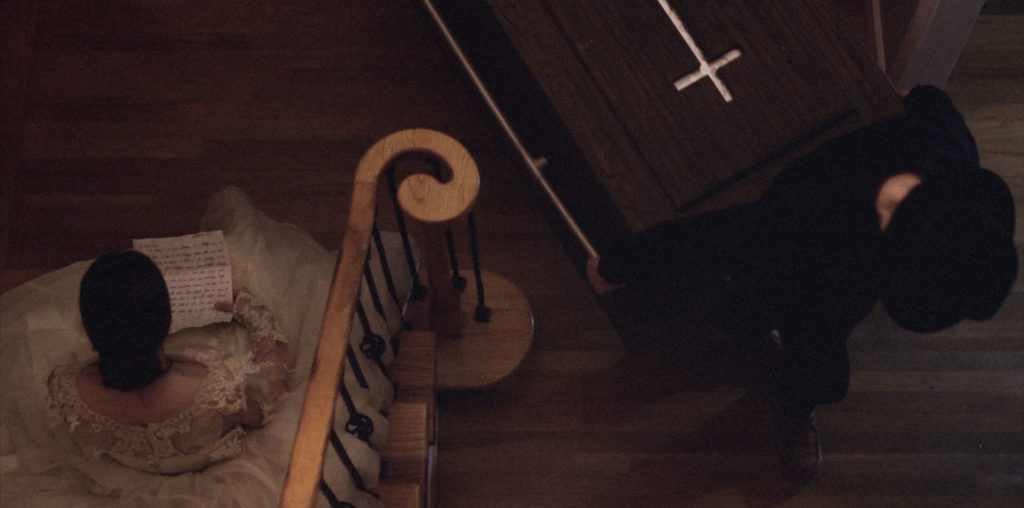
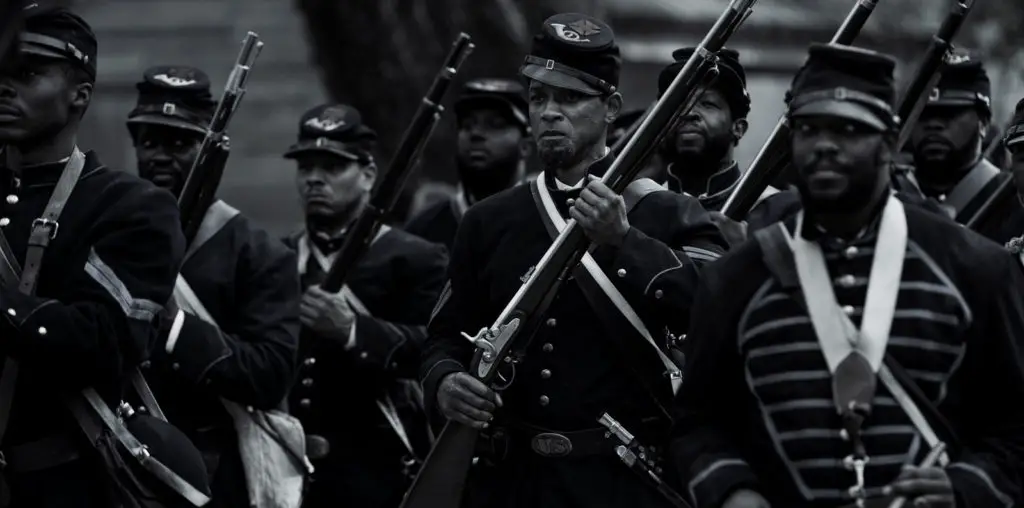
Through film clips, music, and interviews, Bezeau surfaces a willful denial of the history of antebellum plantations. The sites encourage visitors to bask in the beauty of the architecture and grounds. They’ve been repurposed into luxury experiences trading on nostalgia for a Gone With the Wind fantasy of lazy hot afternoons on the veranda with a mint julep, and ladies in hoop skirts. But the raw truth is that the plantations, and in fact all of the wealth of Southern states at that time, was the direct product of slave labor.
The history of slavery and Southern wealth is discussed in the ACLU documentary Who We Are: A Chronicle of Racism in America. In a disturbing trend, education on this topic, despite documented, verifiable facts, falls under the heading of what has been called critical race theory. 46% of this nation considers it “woke” to even bring it up. It makes them feel bad about being White. Bezeau has dragged this willful cognitive dissonance into the light with Vacation Plantation.
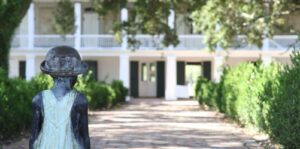
Kevin Kelly, owner of Houmas House in Louisiana, calls this plantation “Disney for adults.” He avoids the brutal history of slavery, except for a single museum room that displays a Klan robe and a French sculpture of a Black “watermelon salesman.” He has wrapped racism in a veneer of historical disclosure.
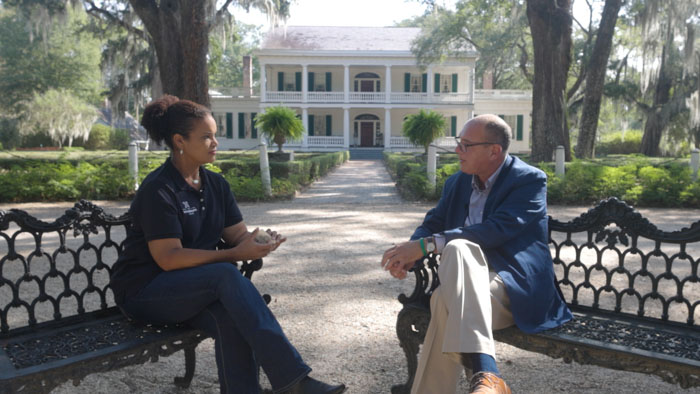
“… surfaces a willful denial of the history of antebellum plantations …”
Kelly’s focus is on the White owners and their art, sculpture, and comfortable lifestyle. He considers it in bad taste to talk about slavery. He is shameless in his dismissive attitude toward enslaved people. He refers to the Civil War as “the War of Northern Aggression.” Kelly is an archetype of a rich White Southern racist. One wonders if he knew what the theme of this documentary was when he agreed to be interviewed. His own words reveal a disgusting apathy toward slavery. This is not positive PR for Houmas House.
Other examples include Rosedown Plantation in Mississippi, which features a tone-deaf, context-free display of names of slaves who lived there, describing them as “happy.” The film includes interviews with academics, including Black scholars. They are not against plantation tourism, but they insist that the experience of enslaved people be shared as part of the presentation.
As a Southerner for many years, I hear about weddings and other events taking place at plantations, with no regard for the fact that they are haunted houses built on the bones of slaves. Fortunately, it’s not all bad news. Curators of the Whitney Plantation near New Orleans take great care to discuss the horrors of slavery. I have toured the Owens-Thomas House & Slave Quarters in Savannah, GA, which has shifted focus away from the lavish lifestyle of the White residents in favor of the lives of the enslaved people there. The entryway is made of bricks inscribed with the names of people known to have been enslaved there.
Bezeau talks about emerging awareness: “… the Descendants Project recently purchased a historic plantation in LaPlace (just outside of New Orleans) called Woodland Plantation, where they have begun to tell the true history of enslavement in a community overrun by whitewashed plantations that do not tell the truth of what these sites were and are.”
Vacation Plantation is required viewing. Whether you consider it to be “woke” White guilt, or you are aware of the persistent failings of racial justice in the U.S., this film provides critical context of the origin of Southern wealth and the traumatic lives of enslaved people on the plantations.
Learn more at the official Vacation Plantation website.

"…critical context for consideration of the origin of Southern wealth"