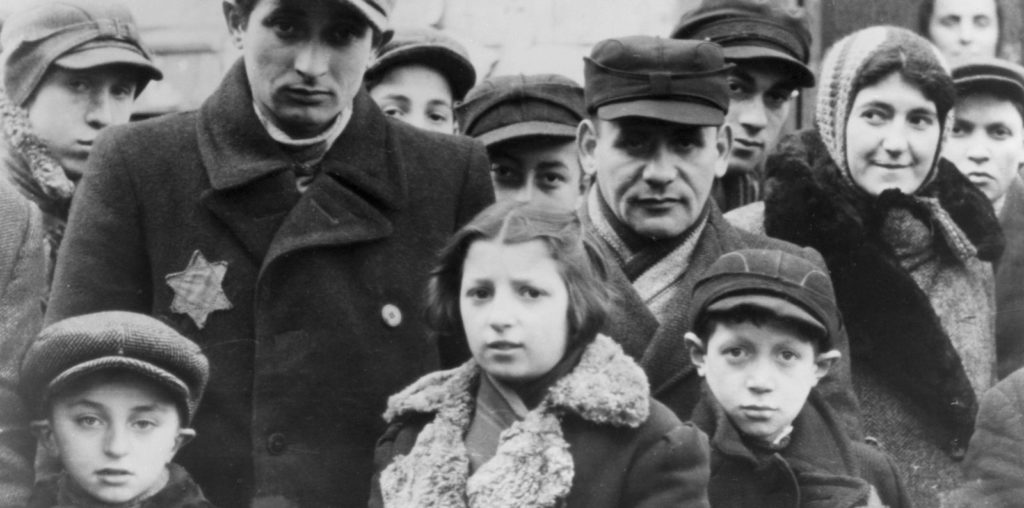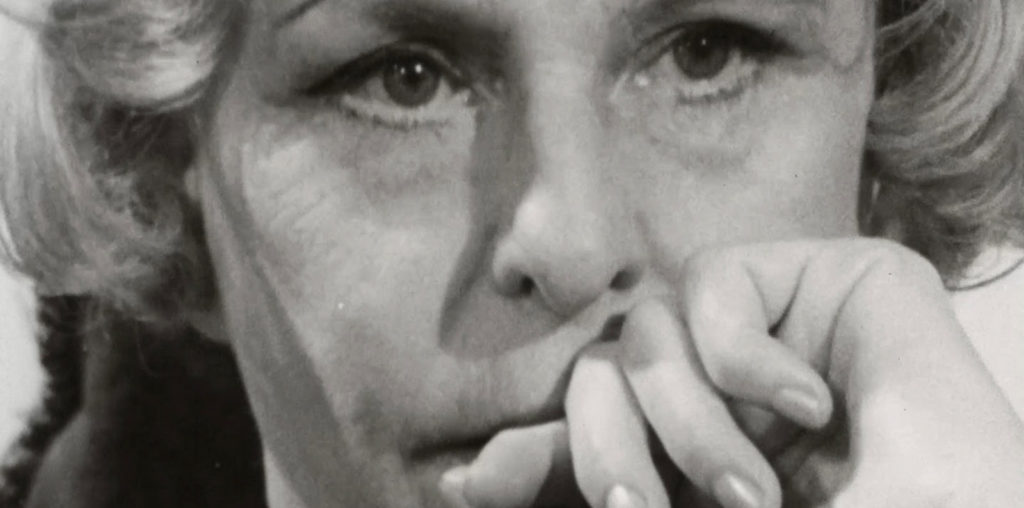
Visually, Triumph of the Heart leans on contrasts of light and shadow. Much of the frame is engulfed in darkness, yet light constantly intrudes through cracks, through eyes, through memory. The imagery recalls the great existential war films of the East, particularly the must-see Soviet film Elem Klimov’s Come and See and Larisa Shepitko’s The Ascent. Like them, the film transforms well-documented atrocities into a spiritual inquiry. It asks not only how men die but how they endure the knowledge of dying. The camera lingers on faces rather than violence, on the trembling of hands, on a shared gaze that outlives the body and sounds from the outside. The pure joy when rain falls to nourish the men is subtly brilliant.
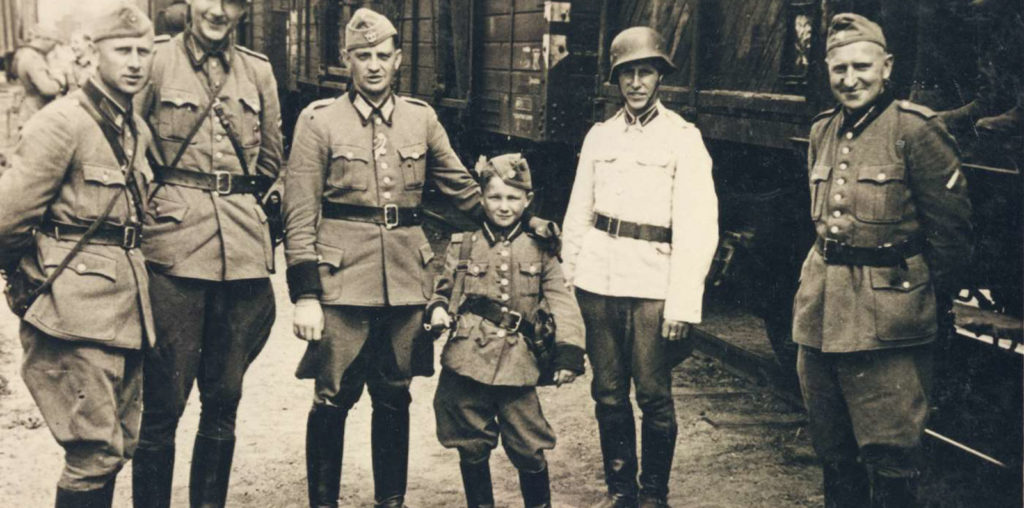
In this sense, Commandant Fritzsch (Christopher Sherwood) becomes a dark reflection of figures like Colonel Saito in The Bridge on the River Kwai. Both men are so possessed by the idea of order and obedience that morality becomes irrelevant beside accomplishment. D’Ambrosio offers glimpses into Fritzsch’s domestic life: a wife (Sharon Oliphant) striving to keep the family intact, children played with but loved coldly, and letters home written with the precision of a soldier who can no longer speak plainly. His drive for control seeps from the camp into his household, where affection has turned to performance.
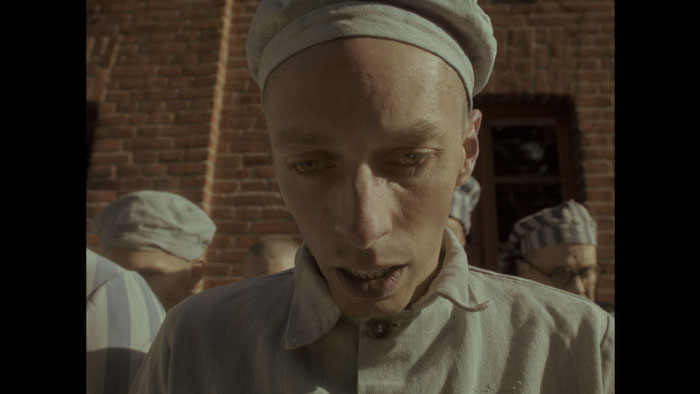
“…transforms well-documented atrocities into a spiritual inquiry.”
In a grim irony, Kolbe (Marcin Kwaśny) carries shades of Colonel Nicholson from The Bridge on the River Kwai. His endurance is quiet, stripped of pride or spectacle. He conquers nothing, gains no recognition, and dies unseen, yet his humanity, unlike Fritzsch’s discipline, endures. He is reduced in the end to taunting Kolbe with a cigarette through a hole in the door.
The soundscape deepens this effect. The silence of the cell is punctuated by faint hymns and by the Polish national anthem murmured, trembling, yet unbroken, at one point it is played by Commandant Fritzsch’s son on piano, only to be met with rage. These moments of song become acts of rebellion, of reclamation, as in the bar moment in Michael Curtiz’s Casablanca.
Triumph of the Heart has troubling issues. Its dialogue edges toward being overly polished; the language is more refined than the raw emotion it needs to convey. Yet even these elements cannot dull the film’s power. The moments of death for each prisoner are subtly handled by colour. Each will get to go to their own version of heaven.
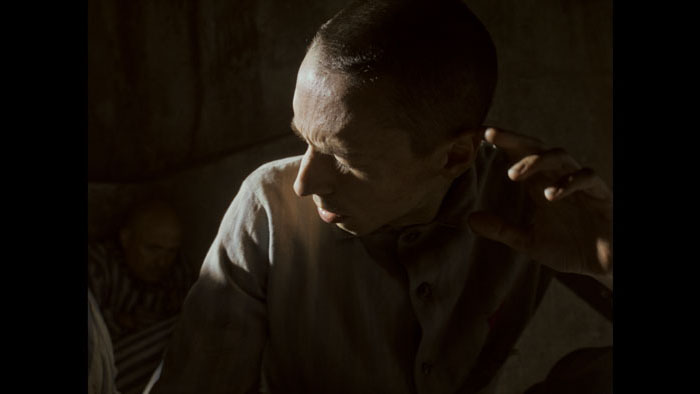
"…leans on contrasts of light and shadow."