I have visited Poland and walked through the grounds of Auschwitz-Birkenau, which was subtly devastating even months after. This is why Triumph of the Heart was something I wanted to see. I understood that no photograph, no textbook, no sermon can quite contain what that soil holds. The picture, written and directed by Anthony D’Ambrosio, is a film that tells the story of a canonized religious figure, St. Maximilian Kolbe, the Catholic priest who volunteered to die in the place of another man at Auschwitz in 1941.
What could easily have been an excuse for Hollywood-style sentimentality, casual violence instead becomes a work of realism and existential beauty. Shot on location in Poland, the film captures the setting where Kolbe’s act of compassion unfolded, presented in a non-varnished look of authenticity. D’Ambrosio stages much of the film like a stage production within a bunker, giving the actors a space that is both suffocating and intimate. Similar to Jean-Paul Sartre’s theatrical play No Exit, with three characters condemned to a cell, the cell becomes a furnace where despair, memory, and moments of fragile hope intertwine.
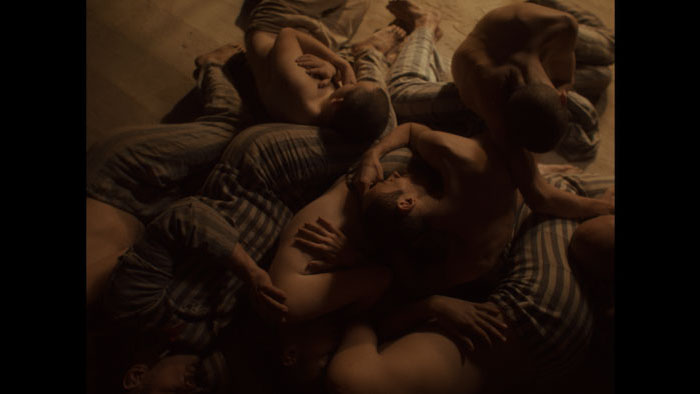
“…St. Maximilian Kolbe, the Catholic priest who volunteered to die in the place of another man at Auschwitz in 1941.”
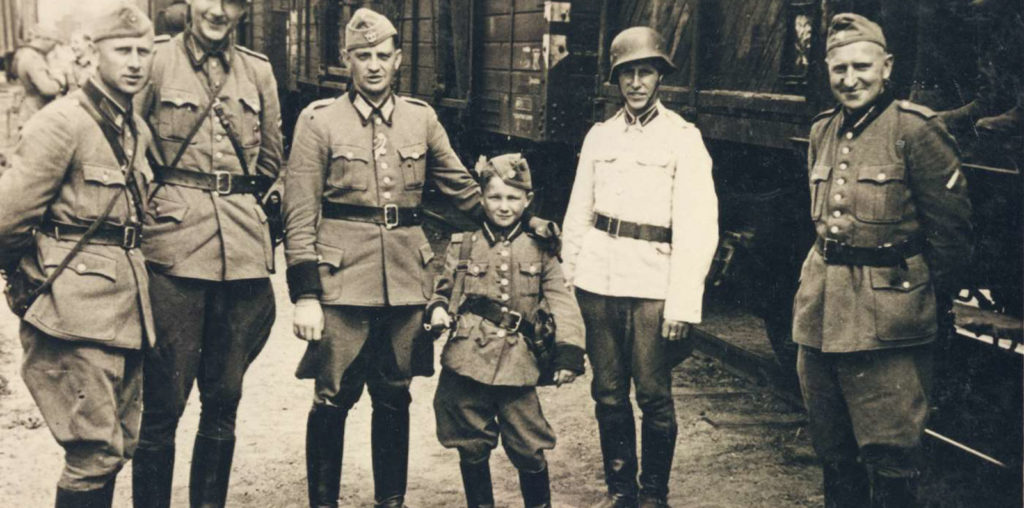
Triumph of the Heart begins with two young people, Leah (Julia Jakubowska) and Albert (Rowen Polonski), having a romantic moment in a forest. They run, they laugh, they live in their own eyes, declaring Love. Then a sudden shift into the present with an emaciated Alberta standing in line outside a barracks. In the process of selecting ten random prisoners to starve to death as punishment for another’s escape, Kolbe (Marcin Kwaśny) steps forward to replace a fellow prisoner. What follows is not merely a slow march toward death, but a human story about resilience in maintaining faith and solidarity amid brutal, often spontaneous yet calculated cruelty.
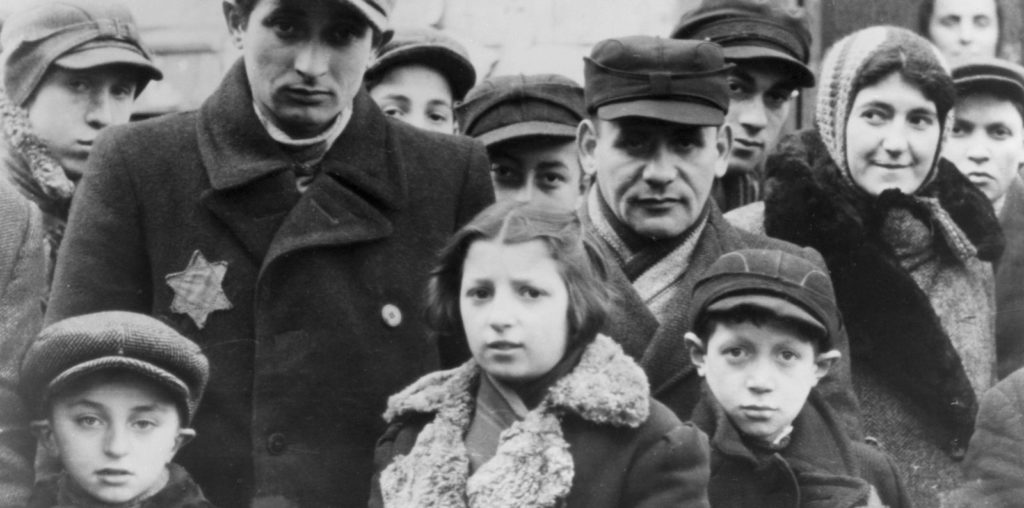
One of the strongest choices, along with a graphic rat-eating sequence, is its shift beyond Kolbe himself. Through flashbacks and recollections, the audience glimpses the lives of the other prisoners and their families, their laughter, their brief joys like fragments of ordinary humanity the Nazis sought to erase. Rowan Polonski’s Albert, Christopher Sherwood’s chilling Commandant Fritzsch, and the ensemble of prisoners all bring dimension to what could have been a simple martyrdom.
Kwaśny’s portrayal is pitched subtly in terms of restraint, considering what is happening around them and outside. His Kolbe is not the icon of stained glass, but a man worn down by fear and fatigue, who nevertheless refuses to surrender compassion. He sings softly to calm the others, prays not from triumph but necessity, and leads less through sermon than through presence. His quiet endurance becomes an act of defiance, a sort of reminder that even small gestures of humanity can radiate meaning in a place designed to erase it.
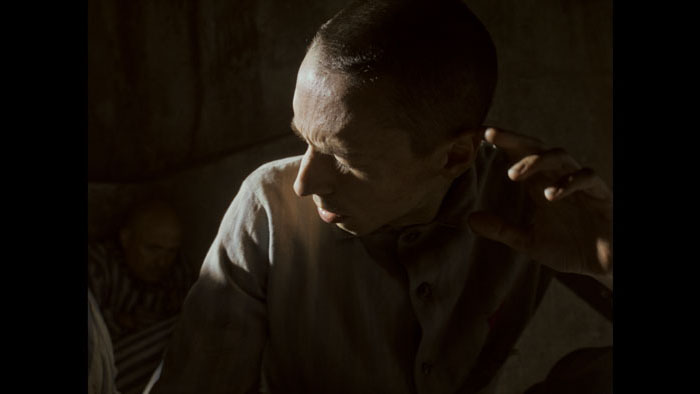
"…leans on contrasts of light and shadow."