Documentarian Kristin Tièche’s The Invisible Mammal follows a team of female chiropterologists, or bat biologists, who are racing against the clock to study and develop a cure for the rapid spread of white-nose syndrome. This lethal fungal disease is causing the extinction of North American bats. Our journey begins in the little-known caves in Sacramento, California. The film takes us across the country, documenting the disease’s effects and exploring potential ways to prevent or treat the remaining bats. They focus on developing and testing what they term Project Fat Bat, a potential method to restore and reinvigorate bat populations to full strength and reduce population declines.
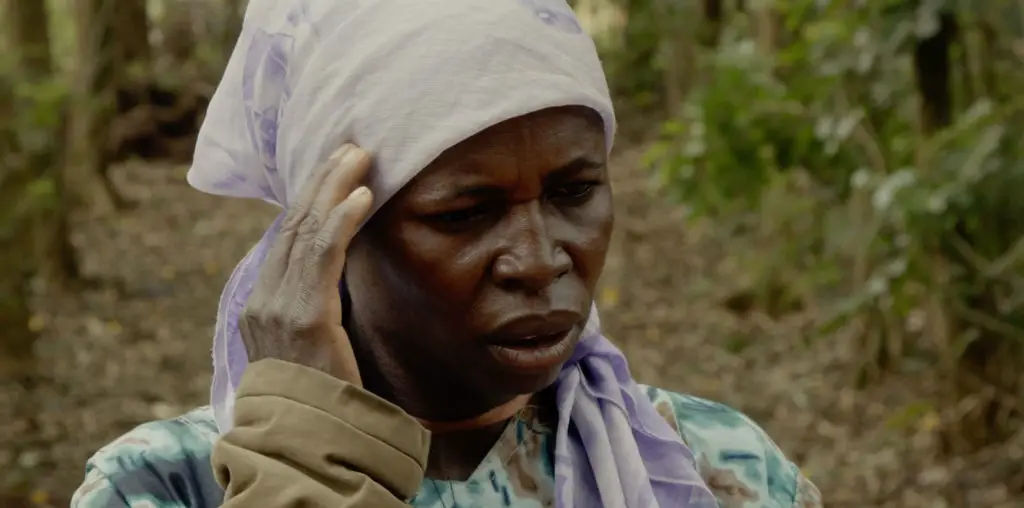
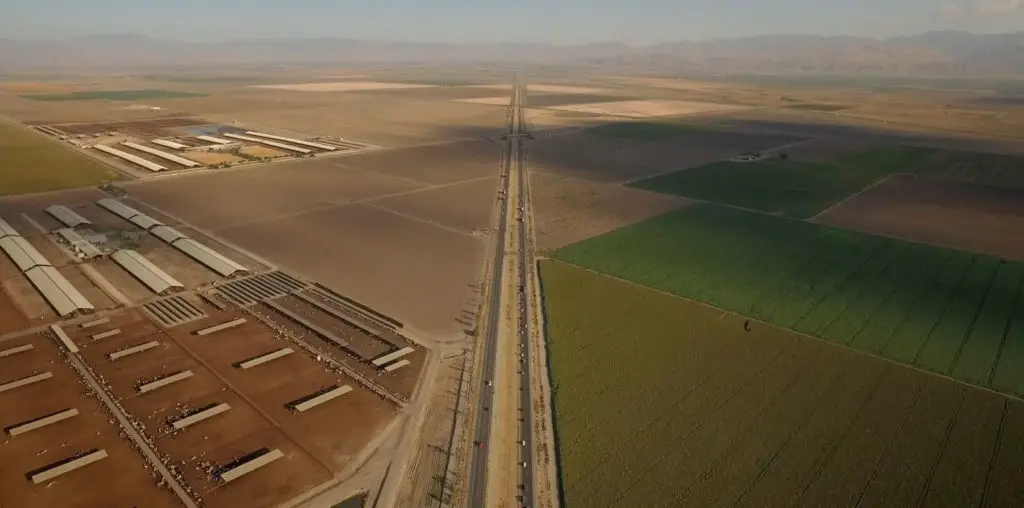
The Invisible Mammal features a wide range of leading experts whose work spans bat ecology, disease research, wildlife rehabilitation, and environmental policy. Dr. Winifred Frick, Chief Scientist at Bat Conservation International, is one of the leading experts in white-nose syndrome and population modeling. At the same time, Corky Quirk (NorCal Bats) provides hands-on experience rescuing injured bats and educating the public. Dr. Kristin Jonasson brings her expertise in bat physiology and research in underground caves and caverns to Operation Fat Bat, and Dr. Alyson Brokaw adds insight as a behavioral ecologist and science communicator. The film also includes Dr. Alice Chung-MacCoubrey, who documented the first appearance of white-nose syndrome in California, virologist Dr. Kevin Olival, a leading authority on bat-borne viruses and zoonotic spillover, and environmental economist Dr. Eyal Frank, who studies the intersection of ecology and economics, showing that as bat populations decline, infant mortality increases. Frank stresses the importance of biodiversity and how losing even one species can have a detrimental impact on human survival.
As their study progresses, news breaks about the coronavirus outbreak in China, which is linked to bats sold at wet markets. COVID-19 abruptly paused their fieldwork. Now the team has time to reflect on its process and consider the logistical challenges that have been inhibiting scientific researchers worldwide. The film highlights news reports about how diseases spread and fears that bats will become innocent victims of misinformation. They point out that the information was simplistic, blamed a single species, and overlooked the far more complex reality of disease transmission.
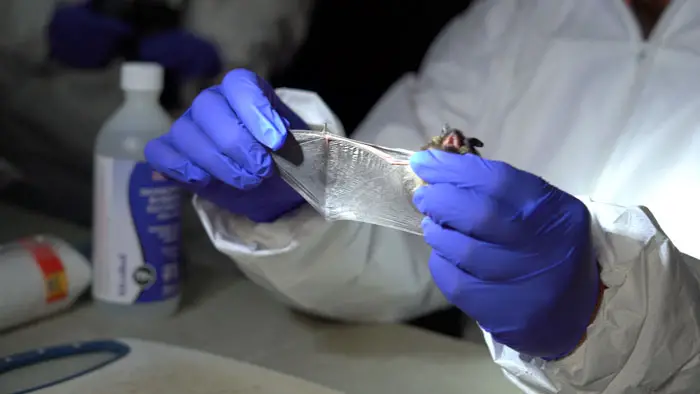
“They return to the affected caves and dwellings to screen bat populations, implement new treatment systems, and continue prolonged examinations.”
When the pandemic ends, the group aggressively pursues its goal. They return to the affected caves and dwellings to screen bat populations, implement new treatment systems, and continue prolonged examinations. It’s one thing to find a treatment for white-nose syndrome; it’s another to administer it. It is not easy to apply medicine to hundreds of bats hanging in caves without snapping them out of hibernation or safely luring and capturing them for study.
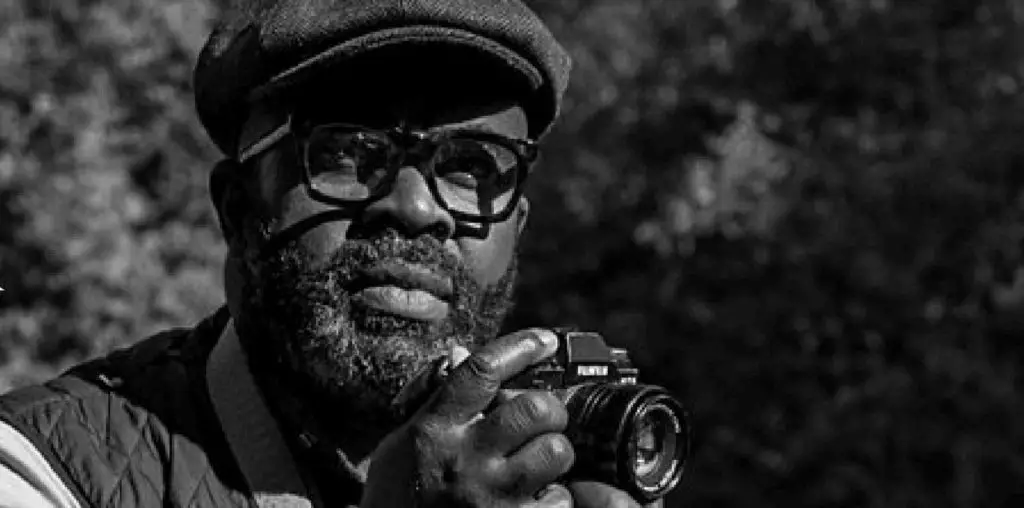
As inspiration for The Invisible Mammal, Director Kristin Tièche drew on two incidents. The first was witnessing a sky full of bats while in graduate school at Syracuse University. The other was reading Elizabeth Kolbert’s 2009 New Yorker article on white-nose syndrome, which devastated North American bat colonies. She knew she had to tell the story of infectious disease, ecological mammalogy, and bat scientists trying to save a species rapidly headed toward mass mortality. It is also a story about how a team of women scientists remained committed to the cause, even when COVID-19 disrupted their work. To Tièche, it’s both a race against extinction and a reminder that the health of bats and the health of humans are deeply linked.
I should mention that the film also serves as a fascinating educational piece on bats. For some of the film’s subjects, going into schools to give bat presentations to children is a fun side benefit of their work. Bat facts are dropped during the presentation and throughout the film. Bats can be found almost anywhere in America. They help farmers by eating mosquitoes during the day and moths at night. Fun fact: The Mexican free-tailed bat is the fastest mammal, reaching speeds of 100 miles per hour. It’s common for kids to stay after the presentation and let the team know they are no longer afraid of bats.
In the end, The Invisible Mammal underscores how the survival of bats is inseparable from the health of our ecosystems and, ultimately, from our own. Their work is not just conservation, it’s prevention, protection, and the vital importance of biodiversity.
For more information, visit The Invisible Mammal official website.
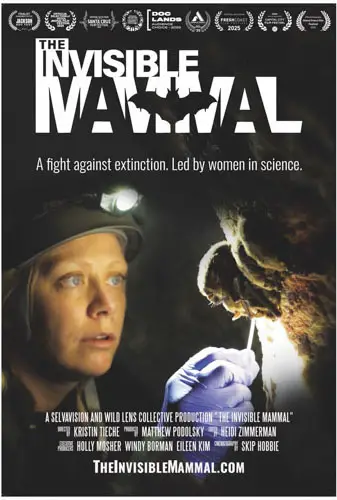
"…a fascinating educational piece on bats."