PBS POV PREMIERE! Directed by Isabel Alcántara Atalaya and Alfredo Alcántara, The Age of Water investigates a small Mexican town’s struggle with contaminated groundwater. What begins with the heartbreaking deaths of three schoolgirls unfolds into a larger story about environmental neglect, political denial, and the fight for survival.
The documentary opens in La Cantera, Guanajuato, with Elia Zarazua, an elementary teacher, leading students at an altar for Mafer, Yoselyn, and Yessi—the three young girls who recently died from leukemia. Their mothers, including Nely Báez, demand answers, but the health department dismisses their fears and assures them everything is fine. Zarazua and Báez invite hydrogeologist Dr. Adrián Ortega Guerrero from UNAM to test the town’s water and find that it was likely the cause of the girls’ leukemia. In an effort to bring attention to the matter, they form the advocacy group MAYOYE (named from the initials of the deceased children) and begin to test the water, only to face interference and intimidation by state officials. Their results reveal alarmingly high levels of toxicity—radioactivity far above safety standards.
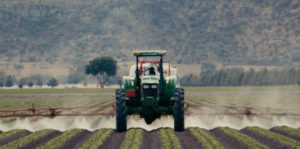
La Cantera was a once water-rich region in Central Mexico, where groundwater from deep aquifers supported thriving plantations starting just after World War II. The land that once brimmed with water is now parched, and the reason is tragically clear: over-extraction. As the land transformed into commercial farming of export crops like strawberries, broccoli, and asparagus, along with a rapidly growing population, the region has, over time, drained its deep aquifers and turned the water toxic with chemicals like arsenic, fluoride, and even dangerous levels of radioactivity.
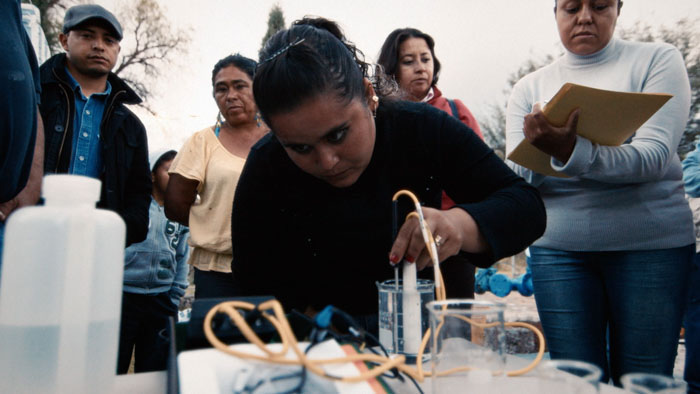
A scientist conducts a water test as concerned residents watch closely.
“Their results reveal alarmingly high levels of toxicity—radioactivity far above safety standards.”
City officials, including the well-meaning Deputy National Water Commissioner, Humberto Navarro, offer a typical political response, downplaying the crisis and claiming the leukemia was genetic. When the test results arrive from Dr. Guerrero, he declares the water unsafe. The mayor quickly shuts down the tap water and orders home deliveries by truck. This action triggers anxiety and uncertainty across the community. A battle emerges: some residents believe the water is safe—echoing Navarro’s assurances—while others fear the contamination is real and life-threatening.
Isabel Alcántara Atalaya and Alfredo Alcántara’s The Age of Water is a brilliantly pieced-together documentary. Though the film sides with the concerned citizens, the filmmakers give the opposition a fair shot at presenting their side. After watching it, it’s hard not to believe the water is contaminated. The film presents a strong case. Starting with the altar of the deceased girls, the narrative then provides an incredible agricultural history of the region and ultimately reveals that state officials already knew there were problems with the water. From there, you see politicians who can’t make tough choices and pander to the powerful landowners and farming industry.
Finally, The Age of Water asks the question, “What would you do? Drink the water?” We are once again exposed to the problems that come with power. Once you’ve held it in your hand, it’s almost impossible to get rid of it. It’s no surprise that innocent people pay the price to maintain the status quo.
The Age of Water premieres tonight on PBS POV.
"…a brilliantly pieced-together documentary."