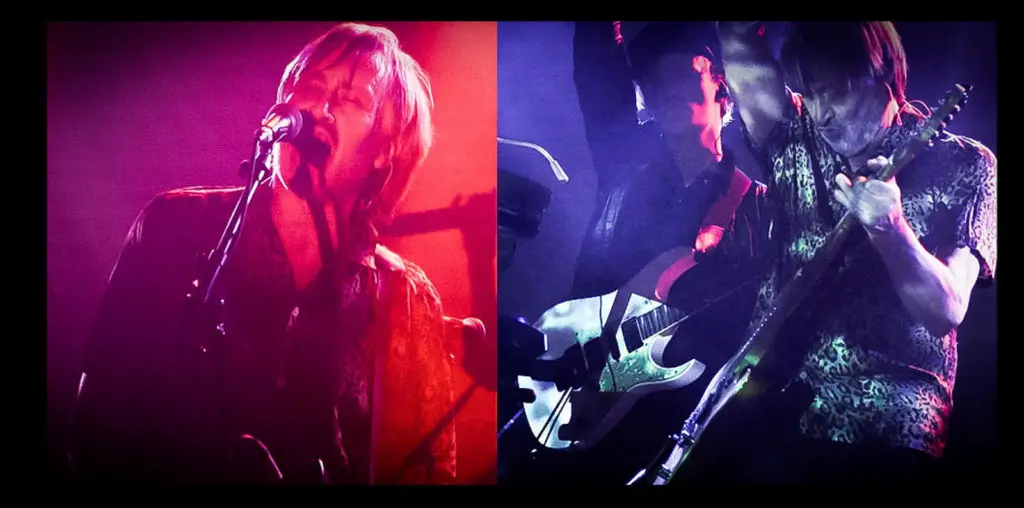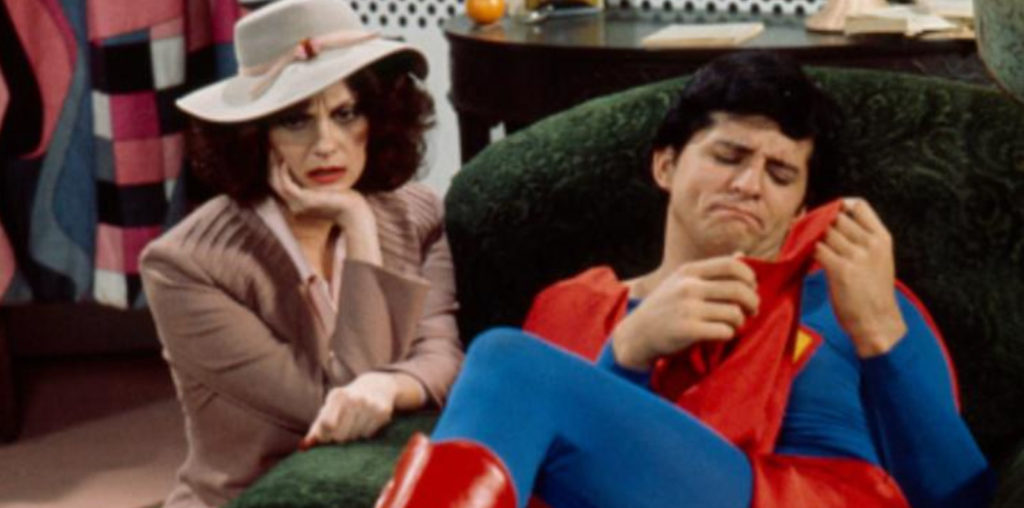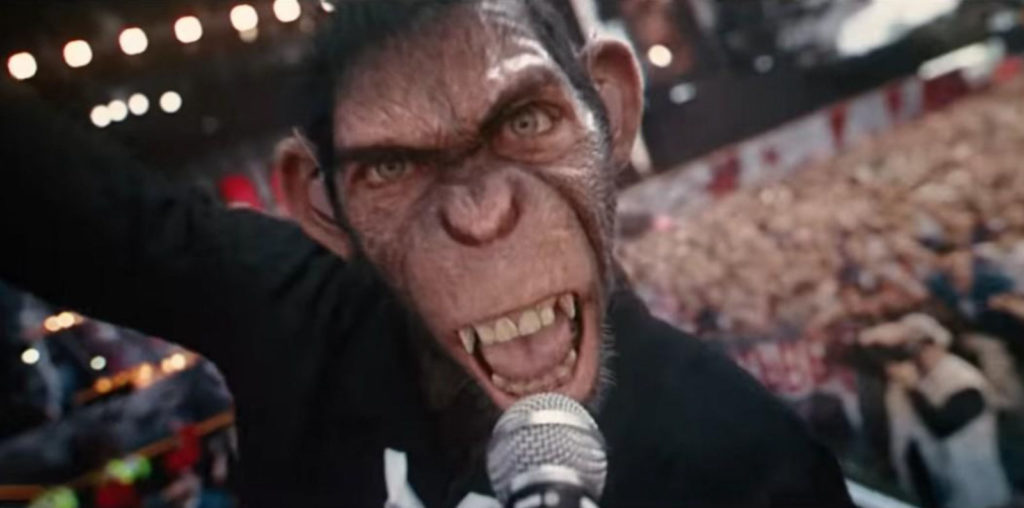
NOW IN THEATERS! Cult cinema is a fascinating phenomenon. It walks the fine line between mainstream, niche, and avant-garde. The musical genre is a weird beast itself, toeing between surrealism, formalism, and verisimilitude. That strange combination is discussed in Linus O’Brien’s Strange Journey: The Story of Rocky Horror. This engaging and earnest documentary on The Rocky Horror Picture Show focuses on Richard O’Brien, the creator of the iconic play, and also examines the impact of the 1975 film version on popular culture. The film is half oral history and half sociological discussion on being an outsider.
O’Brien, a native New Zealander, created the play during the height of the rock musical, when hit shows like Hair and Jesus Christ Superstar were in the mainstream. During this point in his career, he was in drama school and raising a family. After losing the part of King Herod in Jesus Christ Superstar, O’Brien took his love of science fiction and horror films to create an original musical, The Rocky Horror Show. The musical was scrappily put together and housed inside a small theater, which made it feel interactive from the very beginning. Jim Jarman, director of the play and film version, took inspiration from German Expressionist cinema and cabaret from Weimar-era Germany.
Quickly, O’Brien’s creation skyrocketed from a small show to a big hit on the West End. Hollywood producer Lou Adler brought the show to LA at the Roxy Theater, where it gained more notoriety. Thus, it was destined for the big screen as a low-budget feature at 20th Century Fox. On the big screen, O’Brien and Jarman leaned harder into the B-movie feel, including filming at locations used in the classic horror films from Hammer in the 1950s-60s. With all its momentum, the movie flopped upon its release in September 1975.
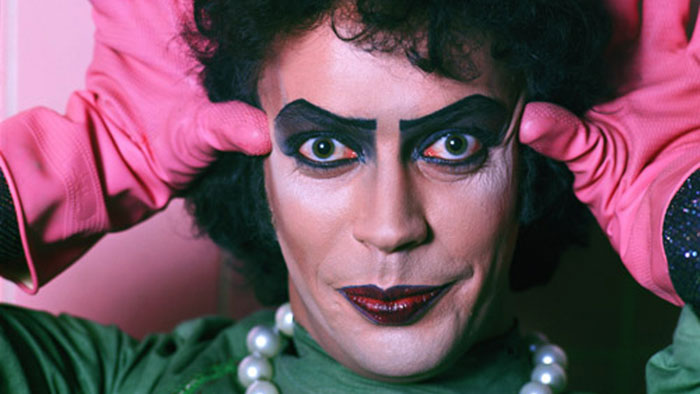
“…examines the impact of the 1975 film version on popular culture.”
The second half of Strange Journey: The Story of Rocky Horror tackles the musical’s legacy as a midnight movie, where it made a lasting impact. We learn about Sal Piro, who created a fan club and the audience participation element. There is also a conversation on how the film influences an audience on a social level, delving into how it gives people the opportunity to feel free and not confined within the status quo. Linus O’Brien, the documentary’s director, handles both its history and pop culture status with ease.
As a musical film fan, The Rocky Horror Picture Show is not one of my favorites, yet this documentary provided a new perspective. I lean more into the Xanadu camp, another cult favorite! Seeing all the passion from its cast, crew, and those keeping the midnight screenings alive got me excited to revisit this film. It was so awesome to see where all the creative choices came from, which adds to one’s appreciation of O’Brien’s work. Getting to know Richard O’Brien throughout the film was a treat; he is humble and honest. He truly appreciates the fanbase! Avner Shiloah’s screenplay and editing work are smooth and capture the free-spirited energy of the original film. The interviewees are given time to breathe, which allows for some memorable anecdotes.
One thing the documentary emphasizes is the importance of having a shared communal experience. There is a brief conversation about the Gay community and gender identity in relation to the film’s legacy. The subject matter is balanced out by focusing on how O’Brien’s work appeals to a wide demographic of people. That is integral to experiencing cinema! Hopefully, it inspires filmmakers and studios to create more movies that bring in that level of enthusiasm.
Strange Journey: The Story of Rocky Horror is an excellent love letter to one of the longest-running films in cinema history. Linus O’Brien honors his father’s work, and it is felt throughout the entire film. Watching this terrific documentary will make you want to do the Time Warp and enter the B-movie world of Dr. Frank-N-Furter all over again!
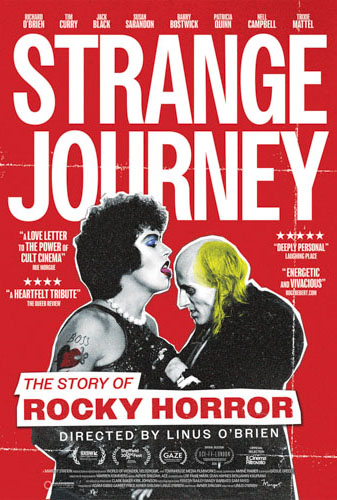
"…an excellent love letter to one of the longest-running films in cinema history."