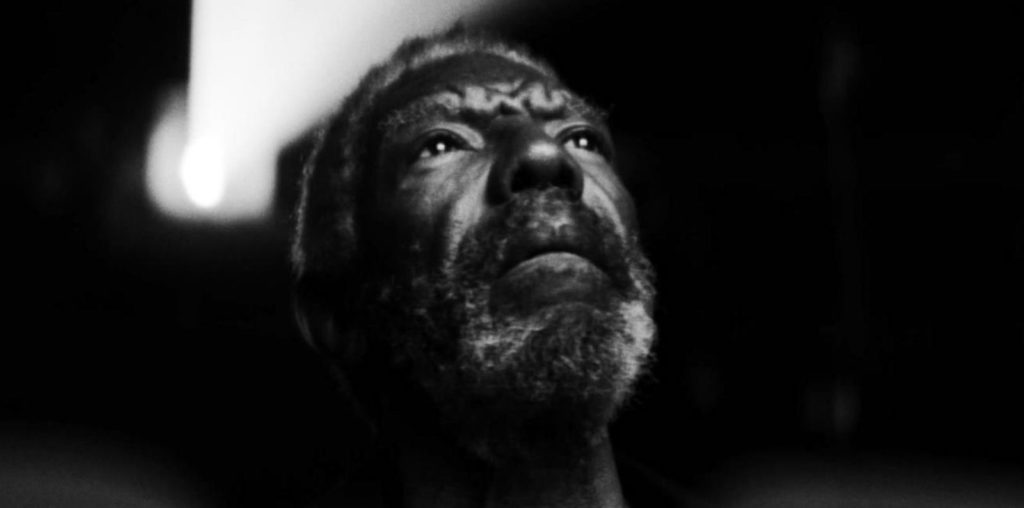
The 37th Palm Springs International Film Festival kicked off opening night at Palm Springs High School with Calle Malaga, starring Carmen Maura, and a lineup of local and festival leadership in attendance, including Festival Chairman Nachhattar Singh Chandi, PSIFF Artistic Director Lili Rodriguez, Palm Springs Mayor Naomi Soto, and Agua Caliente Band of Cahuilla Indians Chairman Reid D. Milanovich.
Rodriguez set the stage for the festival as a reset for moviegoing—less scrolling, more shared experience. “No better way to begin than right here together in front of a big old screen, the way the movies are supposed to be watched,” she told the crowd, while also flagging the festival’s country focus on Germany and programming additions like Gateway Cinema and the documentary-centered Closeups section.
Chandi underscored the scale of the event and what the next stretch is meant to hold. He welcomed attendees to the “opening night of the 37th Palm Springs International Film Festival,” noting a wide-ranging slate that spans dozens of countries and a heavy schedule across multiple venues. He also paused to honor the passing of longtime PSIFF champion Harold Matzner, recognizing the impact of his leadership and support on the festival’s growth.
Mayor Soto tied the night to Palm Springs’ identity and its history as a cultural destination. She recalled the festival’s early belief—championed by former mayor Sonny Bono—that the city could become “a destination for international cinema.” She said the event reflects Palm Springs as “a city defined by diversity, openness, and creativity… an inclusive place where stories from every culture are valued.”
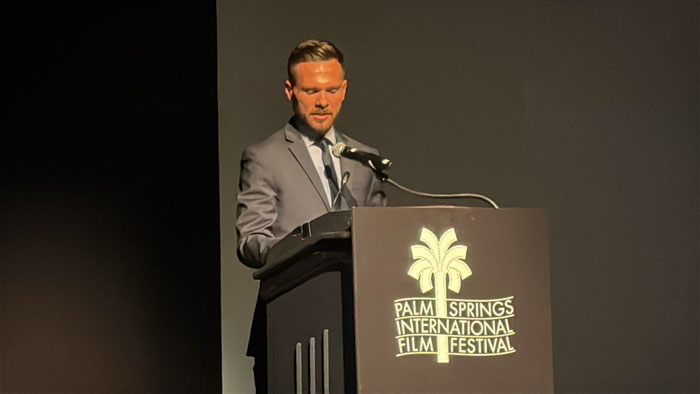
Reid D. Milanovich, Chairman of the Agua Caliente Band of Cahuilla Indians, delivers remarks during PSIFF 2026 opening night.
“No better way to begin than right here together in front of a big old screen, the way the movies are supposed to be watched.”
Milanovich welcomed guests to the Agua Caliente people’s ancestral lands and explained why events like PSIFF matter beyond the parties and photo lines. He described film’s ability to “bridge worlds,” “illuminate truths,” and “foster understanding across all boundaries,” connecting that power to the long tradition of storytelling that carries history, values, and dreams forward.
Director Maryam Touzani brought the room back to the heart of the night: why Moroccan film, Calle Malaga, exists. She called the film “born out of grief, out of loss,” sharing that she “lost my mother suddenly almost two years ago,” and that writing it became “a way… to transform the pain that I was feeling into something else.” Touzani also explained how the film’s language and setting are tied to family and memory—Spanish was part of her upbringing, and returning to her hometown became possible through the filmmaking process. “Cinema is also about healing,” she said, describing the film as a tribute and “a love letter” rooted in personal history.
While opening night belonged to Calle Malaga, early festival buzz also clustered around titles screening today that drew special attention from attendees and Film Threat—particularly On The Sea and No Comment—as PSIFF’s first full day began to define what people will be chasing across the program.
Beyond the opening-night feature, here’s what also screened that day and who turned up for Q&As:
- Raoul Wallenberg: Missing Inaction — Q&A with director Brian Mait and producer Alex Ruthizer
- No Other Choice — Q&A with director Park Chan-wook
- State of Firsts — Q&A with director Chase Joynt
- Yanuni — Q&A with Laura Nix (listed as an attendee)
- Good Luck, Have Fun, Don’t Die — Q&A with director Gore Verbinski