I didn’t know what to expect from Christopher James Cramer’s documentary, Journeys. Reading the logline, I thought I was getting into a film about mushrooms and psychedelics. While that’s exactly what I got, what I walked away with was a much deeper and more thoughtful understanding of its use in modern psychiatry, where it relates to trauma and PTSD.
Journeys opens by laying out the basics of psilocybin therapy, drawing a clear line between microdosing—small, sub-perceptual amounts used to manage everyday mental health challenges—and heroic dosing, the full psychedelic experience used in structured therapeutic settings. Director Christopher James Cramer builds the film around 21 interviews, pulling from both the legal and underground sides of the practice to give viewers a broader picture of what this therapy actually looks like. The subjects range from patients and veterans dealing with PTSD and childhood trauma to facilitators who guide people through the experience, cultivators who grow and measure the mushrooms, therapists, ethicists, scientists, and lawmakers. Together, these voices form a mosaic that moves from the personal to the clinical, always grounded in real human experience.
As the film works through its subjects, it lingers on some of the heavier corners of the conversation—depression, suicide, and end-of-life care. People facing terminal diagnoses talk about using heroic doses to process fear and find peace. Veterans open up about trauma that conventional treatment couldn’t touch. Survivors of years-long sexual, emotional, and physical abuse also speak to how microdosing has helped them move forward in life. Each story connects back to the larger question of why this therapy works for some people when nothing else has. The film also takes a close look at the science behind psilocybin, walking through how total psilocin content is measured and what happens in the body and brain during a session, grounding the more emotional stories in concrete, verifiable facts.
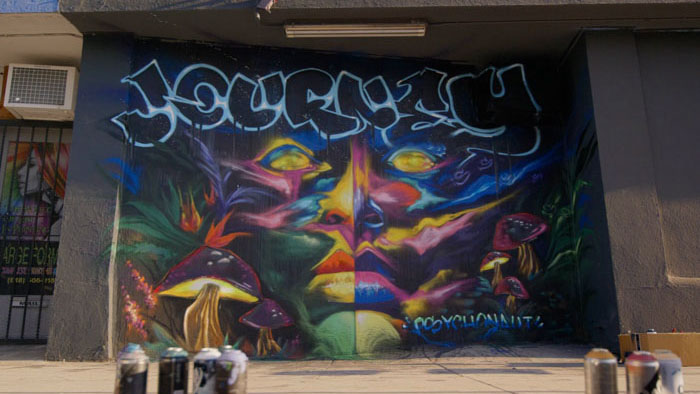
“…laying out the basics of psilocybin therapy…the full psychedelic experience used in structured therapeutic settings.”
Journeys also traces the controversial and legal history of psychedelics in the United States, touching on how decades of prohibition shaped public perception and slowed research. Lawmakers weigh in on where legislation stands and where it might be headed. The film closes with its subjects sharing their hopes and fears for the future of the industry, leaving the audience with a snapshot of a practice that is at once ancient and newly emerging, complicated and quietly transformative.
Though it’s not a perfect documentary, I’m always hungry for knowledge, and I walked away from Journeys with a much deeper understanding of psychedelics. Going in, my mind was filled with Timothy Leary hippies and the Beatles going on mind trips to so-called other planes of consciousness. Here, the film goes into detail, presenting microdosing as a natural way to heal and reconnect the brain for trauma work.
The film then gets into the weeds about how this therapy works, what to expect, and what the experience is like during a session. There is more than enough testimony about how microdosing lowers inhibitions to directly address the traumatic events, which therapists will tell you is the first step toward healing, no matter the method. Lastly, participants make the pitch that psychedelics in therapy need to be more readily available, particularly for a resource-strapped Veterans Administration (VA). It’s expensive, and there are charities that will help veterans cover the cost, but this money can only go so far.
The film’s fault is that all the evidence presented is testimonial or anecdotal. Even the film upfront points out that if you want to pursue this form of therapy, do your research. To that, I’d say be knowledgeable and view no form of therapy as an overnight miracle cure. You are responsible for your own health—physical or mental.
Have an open mind when watching Cramer’s Journeys. It makes a compelling case that psilocybin therapy deserves a serious seat at the table in modern psychiatry. Ultimately, the film succeeds as what it set out to be — an honest, human-driven introduction to a subject that is far more nuanced than its counterculture reputation suggests.
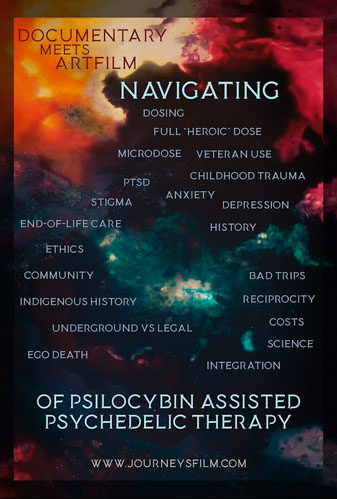
"…makes a compelling case that psilocybin therapy deserves a serious seat at the table..."