Director Marc Levin’s Hard Hat Riot, a documentary in PBS’s American Experience series, is a provocative piece that covers America during the turbulent time of the Vietnam War. The documentary, written by Levin and Daphne Pinkerson, is based on The Hardhat Riot: Nixon, New York City, and the Dawn of the White Working-Class Revolution by David Paul Kuhn. The film is a mirror to our own present day: burning buildings, working-class individuals versus radical college students, political assassinations, chaotic riots, and dramatic demographic shifts in both the Democratic and Republican parties.
New York City was evolving during the 1960s and early 70s from a working-class environment to a major free-market capital. Skyscrapers were changing the landscape as the World Trade Center was under construction. John Lindsay was elected mayor, and his upper-class background made him disconnected from the plight of working-class families. As soon as he got elected, union strikes occurred. The Vietnam War was boiling during President Nixon’s first term. Many young people went to college to dodge the draft, leaving the young men of the working class to take their place. For many iron workers, dock workers, and police officers, it was an honor to serve their country during the previous wars. These individuals of Italian and Irish descent loved our country and would fight for the flag!
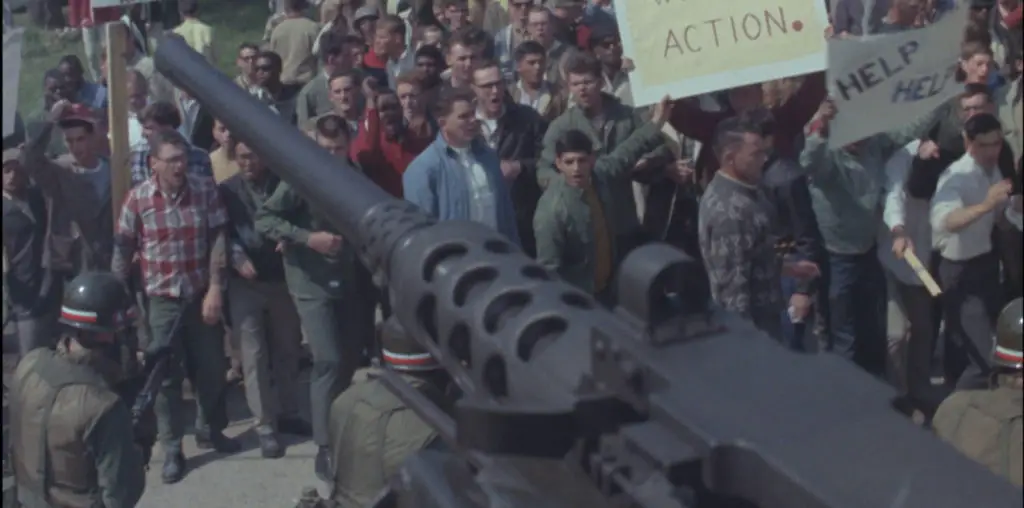
College campuses had been transformed into fortresses of radical protest. Riots were frequent, police were disrespected, and some groups were infiltrated by communists. During this period, Lindsay took a stand and supported the anti-war movement. This upset construction workers, as they believed our troops should be honored during this war. On the anniversary of VE Day, there was a student protest on Wall Street. It started peacefully, and tensions escalated once the hard hat workers marched to show their love for our country and respect for the troops. Fights ensued between the students and workers. These men finally got to speak their minds after being neglected by the Democratic Party, which now favored radical student protesters. History would change as blue-collar workers were supported by Nixon and the Republicans.

“Many young people went to college to dodge the draft, leaving the young men of the working class to take their place.”
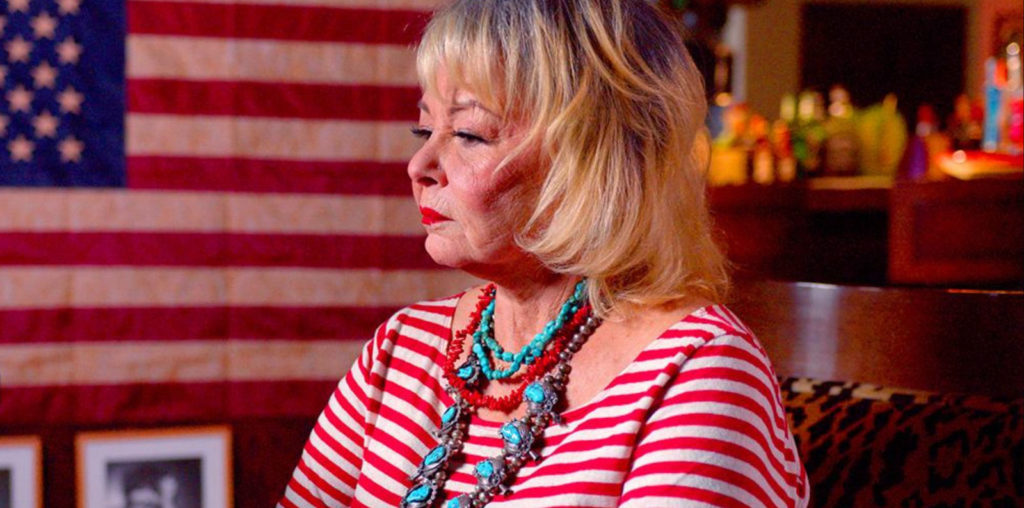
Hard Hat Riot captures a variety of perspectives through stories of those who witnessed the Hard Hat Riot. Editor Henry Moskowitz weaves the interviewees’ thoughtful recollections with high-quality archival material. Look out for some excerpts from Martin Scorsese’s rarely seen documentary, Street Scenes 1970. David Paul Kuhn, the author of the documentary’s source material, frequently comments and emphasizes the importance of blue-collar workers in America. Levin and Daphne Pinkerson’s screenplay is well-balanced in depicting the viewpoints of student protesters and working-class individuals. You can truly feel the frustration of both groups. It is an effective documentary because 1960s America is visualized from another angle; typically, student protesters are seen as the “heroes.” Hearing the other side of history is always important.
The film also speaks to our country’s struggle to listen to every citizen’s perspective, because some institutions favor certain ideologies over others. History repeats itself; we still see students going tribal over geopolitical wars and blue-collar workers supporting the Republican Party. On a lighter note, hearing the love of our country from these working-class men was inspiring, and proves we should still honor those who made sacrifices for our nation.
Hard Hat Riot is a documentary we need right now because it encourages conversation and reiterates the consequences of having protests go too far. For audiences, it is vital to reflect and remember that the tides can change for the better.

"…a documentary we need right now..."