We’ve seen hopeful renditions of the fortunate pilgrim’s journey, the immigrant who comes to the land of milk and honey, and in it, washing away the tortures and the torments of an oppressive homeland. Such is the nature of directors Samy Pioneer and Nadir Saribacak’s Gazelle, written by Saribacak and Ayhan Hulagu. With a masterful, central performance by Saribacak (bringing to mind the screen presence of the great Armin Mueller-Stahl) as our desperate hero, Yakup, who has fled persecution in his native Turkey and now finds himself in the United States, working like a demon, hoping to reunite his family.
With the aid of a friend and former student, Yakup (formerly a music teacher) goes through all the relevant paperwork and procedures the government forces him to wade through, in order to get his heart’s desire legally. Yet, as most of us know, the world has changed since COVID. Processes that were once streamlined have fallen into endless waiting lists. The soul-shaking news that it could take as long as five years for his family to be by his side knocks the wind out of Yakup’s sails, leaving him confused, disheartened, but far from defeated. With renewed zeal, Yakup adopts an under-the-table approach. Enlisting the help of shady customers, though also fellow countrymen, sensitive to a brother’s plight, they administer the illegal transportation of the families of asylum seekers. But there is no honour among thieves, and just as little trust. Their help comes with both high peril and a high price. Yakup damn-near kills himself trying to make the bread required to make his dreams come true. Working in a restaurant by day, with a band of fellow immigrants, trying to earn the right to freedom. Whilst a night he labors at a masonry factory, till at strength and wit’s end, he collapses in his cot in the restaurant’s backroom.

“Yakup, having fled persecution in his native Turkey, now finds himself in the United States…”
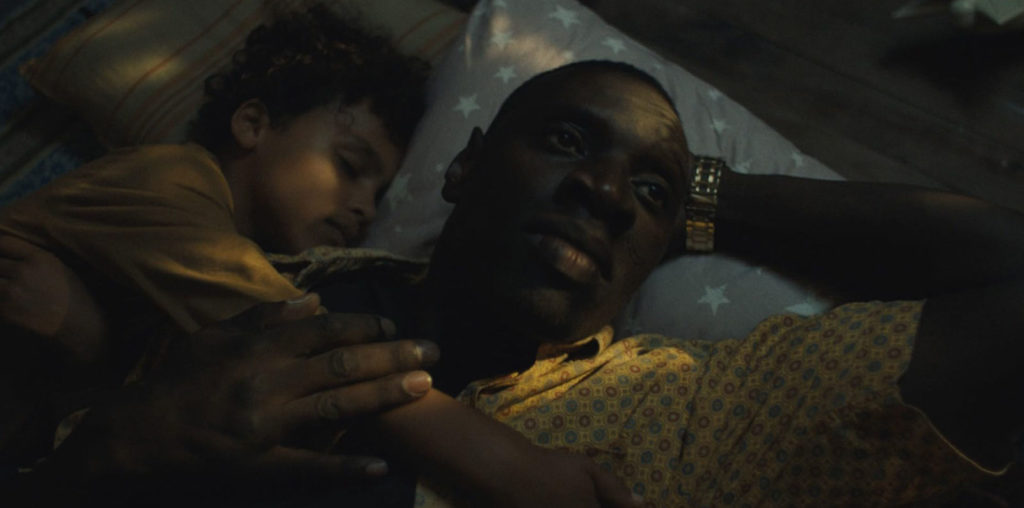
Exhausted and beleaguered, Yakup, thanks to modern technology, remains telephonically connected to his family, calling them at each available opportunity. Still, progress with his family’s transportation is slow, and his family is soon under siege because of Yakup’s political stance; the reason is that it forced him to make his exodus. Pushed to the breaking point upon learning of his wife’s abduction, being screwed by his shady travel agents, mentally and physically battered from all sides, Yakup, on the brink of snapping, turns to warmth and faith of his surrogate family in order to keep from slipping into the pit of despair, and live to see the faces of those he cherishes once more.
Cinematically, we’ve seen variations on the immigrant story throughout the years. A popular example is The Godfather Part 2. An epic promise of the American dream in action. A young, penniless, sickly foreigner stumbles upon those hallowed shores of liberty and builds himself an empire. But with Gazelle, we glimpse the harsh reality: most of us only know what it’s like to live in fear of an oppressive, merciless dictatorship from the movies. For the real journey of the immigrant, shunned by both sides of the equation, the price of freedom is everything you’re willing to sacrifice and then some. This picture is a brutal and beautiful illustration of the odds, the prejudices that separate the innocent from their God-given right to be free.
For more information, visit the Pulp Modern official website.

"…brutal and beautiful..."