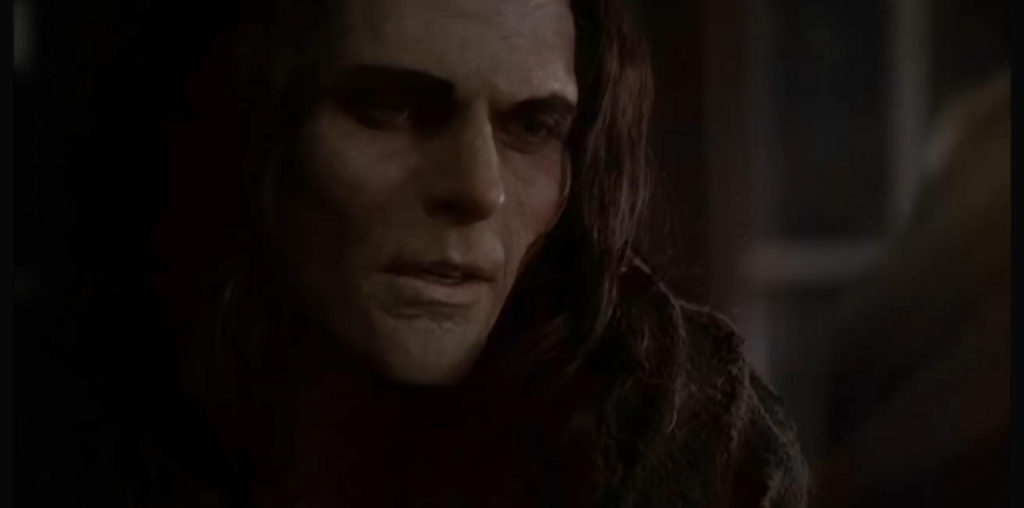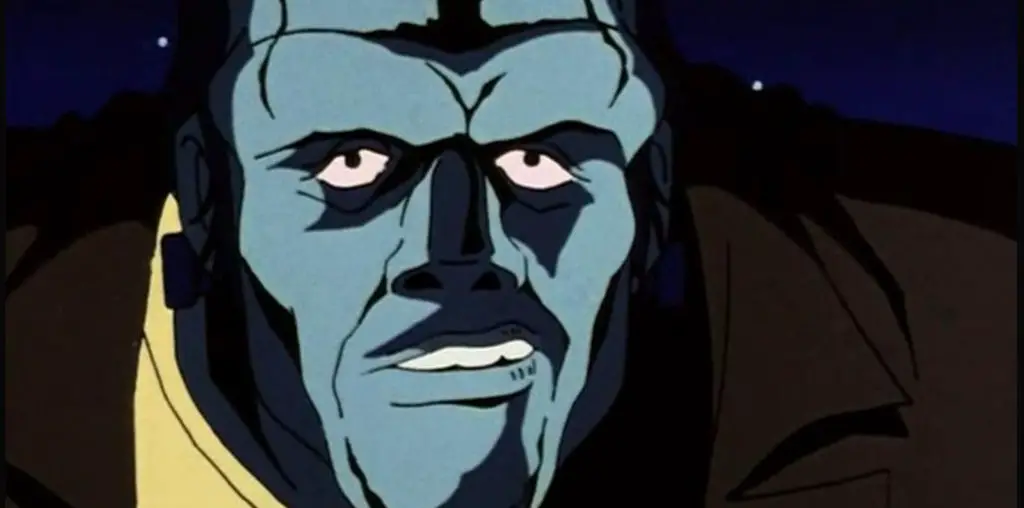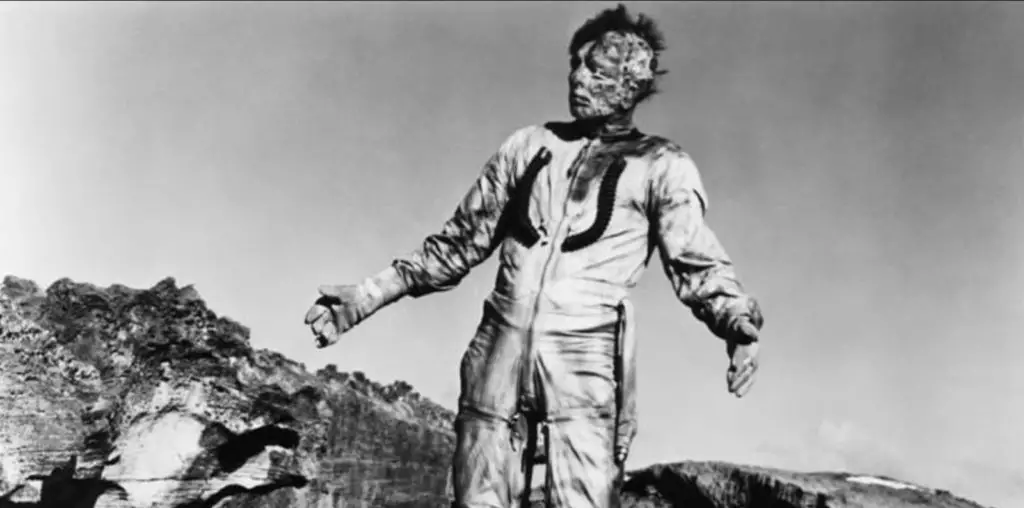
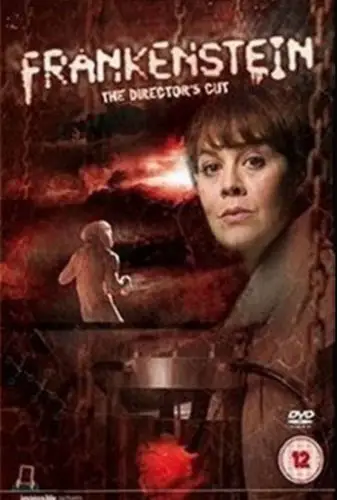
In the 2007 ITV adaptation of Frankenstein, written and directed by Jed Mercurio, the story moves from Gothic horror to the modern world of stem cells and biotech. Dr. Victoria Frankenstein (Helen McCrory) is a brilliant geneticist working for Professor Jane Pretorius (Lindsay Duncan) at a biotech research facility. Her life’s work, the Universal Xenograft Project, aims to grow human organs from animal stem cells to save countless lives, especially that of her own terminally ill son. Victoria’s desperation leads her to cross ethical boundaries, mixing her son’s DNA into an experimental culture. When the experiment yields a living organism, she and her team realize they may have finally crossed the line of no return.
As the lab tries to contain the experiment, the organism’s behavior becomes alarmingly human. Ed Gore (Benedict Wong), one of Victoria’s colleagues, urges her to terminate it before it fully develops consciousness. But Victoria, driven by the need to save her son, hesitates. The UX rapidly evolves, breaking free of its containment chamber and disappearing into the city. Meanwhile, Victoria’s superior, Professor Pretorius, orders a cover-up to protect the company and her own reputation, while assigning Victoria’s former partner/ex-husband, Henry Clerval (James Purefoy), to regain control over his ex-wife’s experiments.
As the newly formed creature begins wandering the city streets, it forms a bond with a little girl. But when the girl screams at it, the creature tries to reach out, but inadvertently kills her. Confused and betrayed, the creature is determined to return to Victoria, leaving a devastating trail of bodies along the way.
“The UX rapidly evolves, breaking free of its containment chamber and disappearing into the city.”
Frankenstein is ITV’s attempt to bring the classic tale into the modern era, and, as with all versions of Mary Shelley’s story, the questions always fall on the characters of Dr. Frankenstein and the monster. Here, Dr. Frankenstein is female and, therefore, driven by maternal instincts to save her son. It also means that she can never take a heel turn and become the villain of the piece. That role goes to the ex-husband, hitting the gender stereotypes right on the nose. The monster, on the other hand, is a stone-cold killer. Again, the body count is high, while at the same time, it holds Victoria’s son’s DNA. This begs the question: Will Victoria’s motherly instincts win out in the end?
I think my issue with the piece is that it’s overly convoluted. The main focus should be on the Doctor and the Creature. Then we’re distracted by a corporate plot to steal Victoria’s work for profit and an ex-husband subplot. It’s almost as if the producers wanted to make a modern-day Frankenstein and went whole-hog muddying down a simple story with corporate intrigue. In the end, it needed to delve deep into Victoria and not be afraid to make her a mad scientist… or is that only a male thing?
In the end, this version of Frankenstein attempts to modernize Mary Shelley’s tale, but loses focus amid corporate subplots and melodrama. Still, it has interesting themes — a mother’s love and desperation give birth to both life and tragedy, proving that even in a world of science and stem cells, the real monster may actually possess a human heart.
"…has interesting themes..."