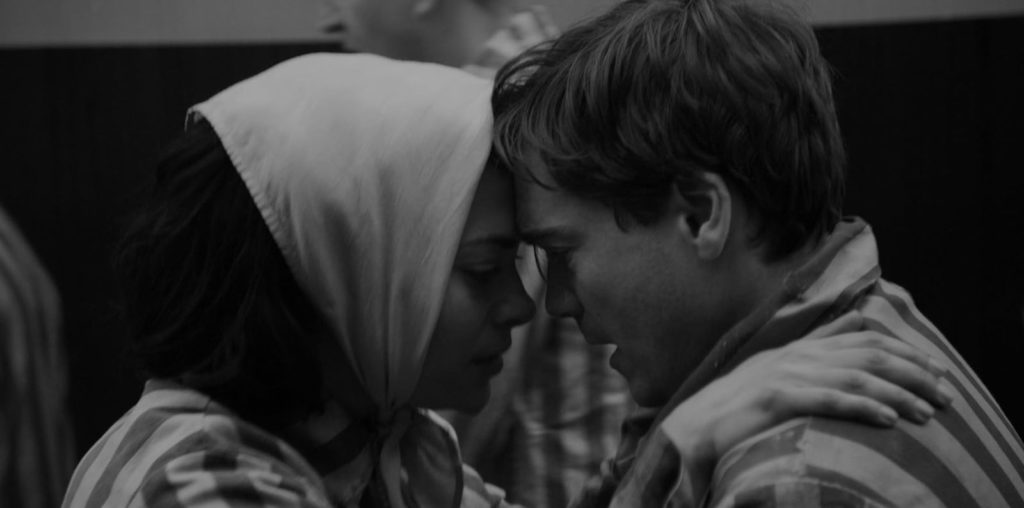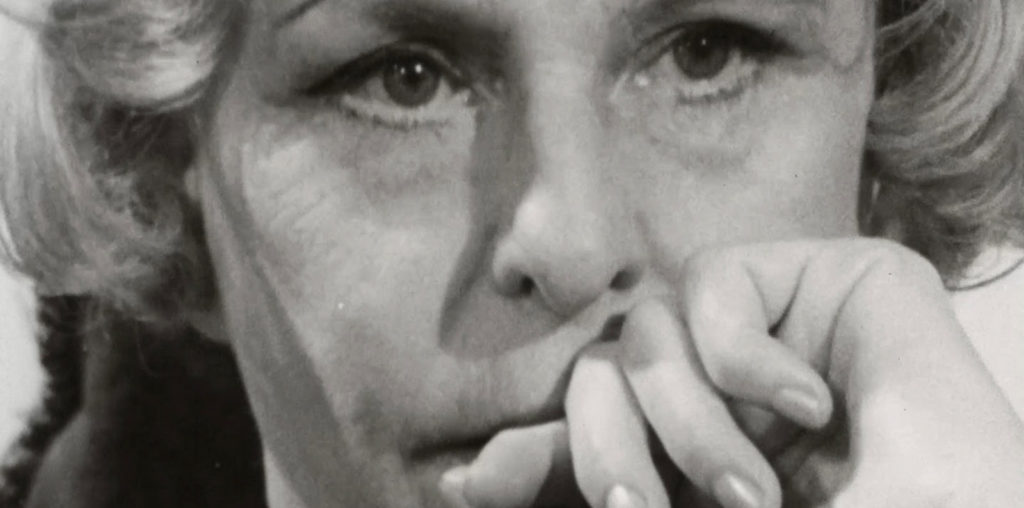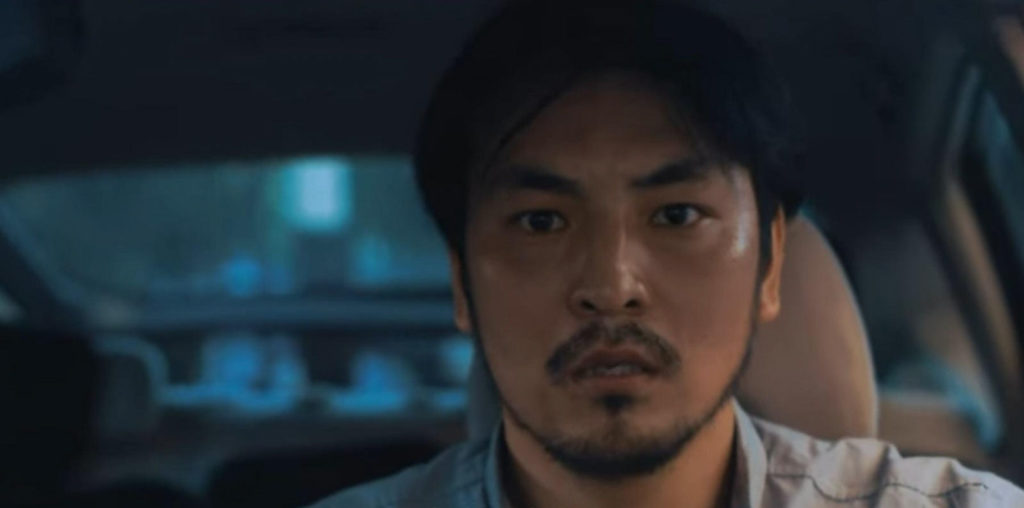
Co-writers/co-directors Marc Bennett and Tim Roper’s For the Living isn’t just another Holocaust documentary. They present a story about the people who survived and the importance of the testimonies they leave behind. The greatest threat to our civilization is the rampant ignorance toward the dehumanization of minorities, for the sole purpose of making it easier to commit genocide, is alive and well. And as for the Holocaust. What has passed is prologue.
The spine of the picture centers on the relationship between a young British cyclist and Holocaust survivor Marcel Zielinski. As a 10-year-old, following his liberation from the infamous Nazi death camp, Zielinski made an arduous 60-mile journey on foot from Auschwitz-Birkenau to his destroyed and abandoned home in Krakow. Now in the late 2010s, the cyclist and the survivor begin a series of yearly rides along with the footsteps of Zielinski’s original walk home. Rather than continually marking the horrors surrounding the extermination that nearly took place, the purpose of the “Ride for the Living” is to commemorate the bravery of the survivors, and to also celebrate their resurgence in bringing their people and culture back from the brink of annihilation.

“…centers on the relationship between a young British cyclist and Holocaust survivor Marcel Zielinski.”
But For the Living is not about the Holocaust. As the movie progresses, we see many examples of the systematic slaughter of people deemed by their fellow countrymen to be the root of all that is evil and wrong with the countries they inhabit. From the atrocities of Bosnia, to the killing fields of Cambodia, to the brutality which occurred in Rwanda, each time we are given a circumstance, a real account, from someone who lived it. Why? Because statistics are just numbers. The greatest weapon against dehumanization is empathy. We are all human; we all deserve our full measure of life. So, as the story develops, we learn the significance of personal testimony. Putting a face and a name to a number turns a statistic into a story.
The destructive nature of genocide continues, and a sickening level of denial covers it. For if the people affected by it aren’t really classified as people, they’re given other titles like illegals, criminals, animals, or invaders. It renders the choice to turn a blind eye to their eradication even more comfortable, especially if it’s a blight on humanity. That is the ultimate message that comes through all the rivers of tears spilled as they extinguished life in the name of tyranny and greed: the absence of humanity. Reading, writing, and arithmetic are all considered staples of the education system. But not empathy.
The ancient words of the Talmud, “whoever saves one life saves the world,” are the moral principle at the core of For the Living. Every single person who has ever lived is significant, for we are all one of one. And as for the impending shadow of genocide and dehumanization, the one thing that can drive out the darkness is the light. This film is about that light, and why we must fight till our last breath so that it never fades.

"…we all deserve our full measure of life."