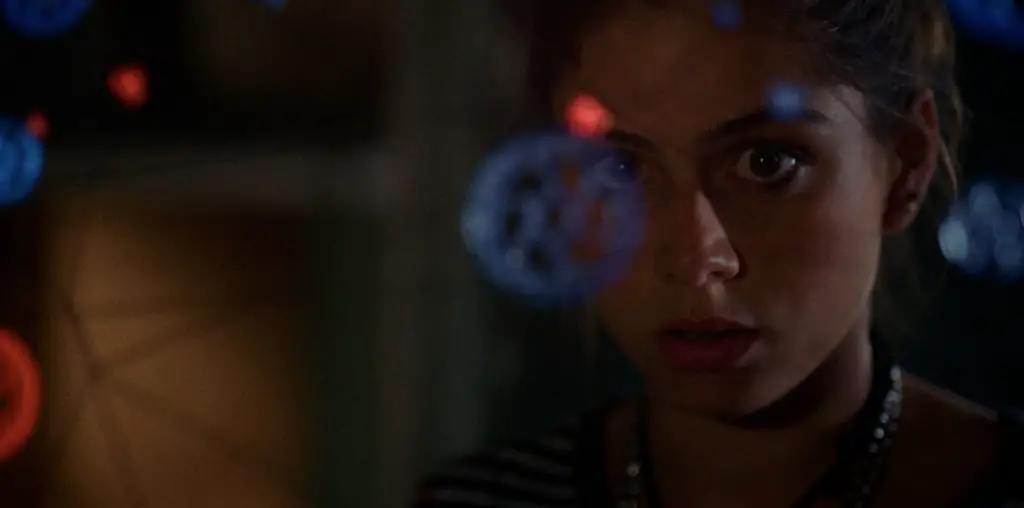
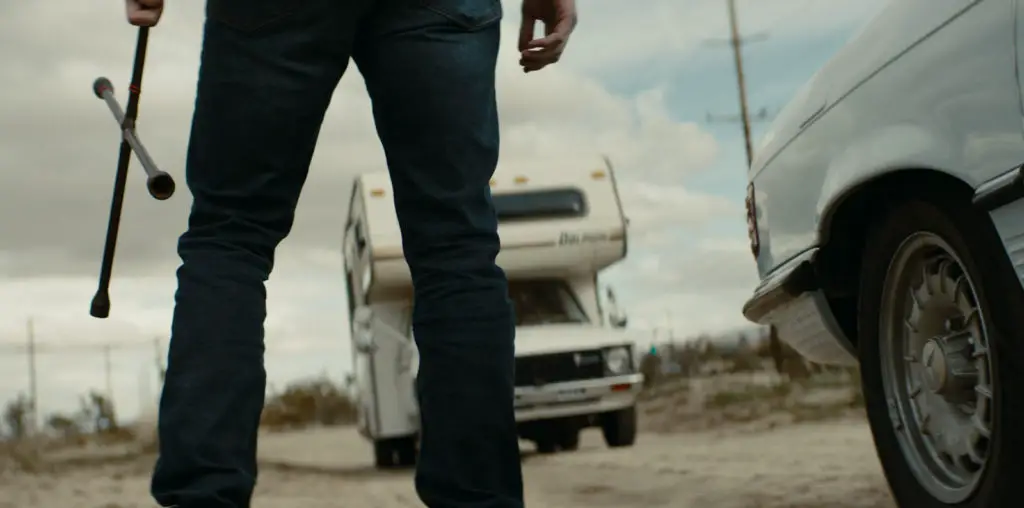
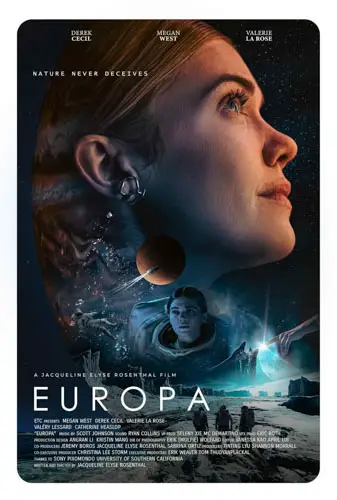
In writer-director Jacqueline Elyse Rosenthal’s environmental, apocalyptic short film Europa, it’s the year 2300, and Earth is running out of clean water. A private corporation, Red Discovery, launches a mission to Jupiter’s moon, Europa, as humanity’s final hope. The moon is covered in ice and could hold the key to survival.
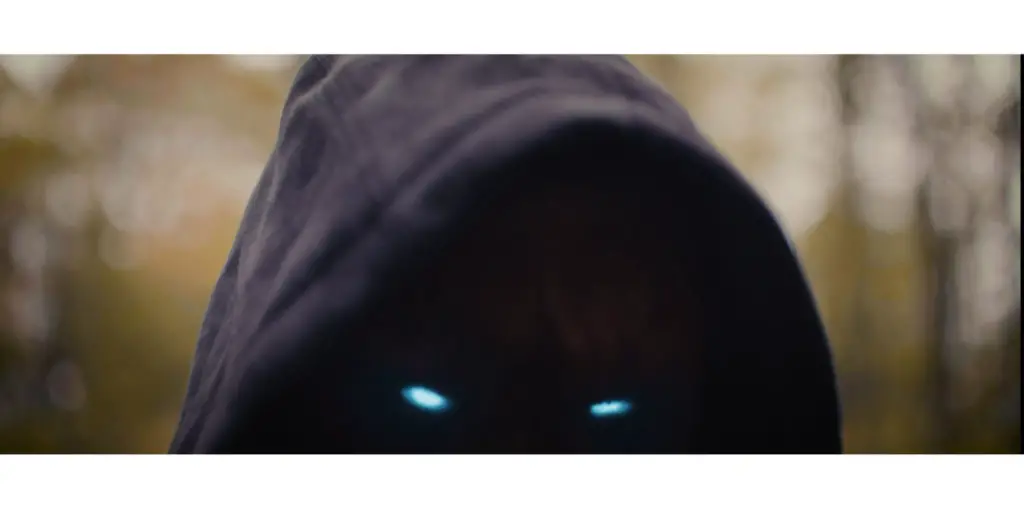
Three astronauts are sent to Europa to drill through the ice and bring back a sample. The team consists of oceanographer Yvette Price (Megan West), traveling with crewmates Augustus (Derek Cecil) and Jessica (Valerie La Rose) as they navigate Europa’s dangerous radiation levels to reach the extraction site. All along the way, a mysterious voice calls out to Yvette, until she breaks from the task to find the voice’s origin.
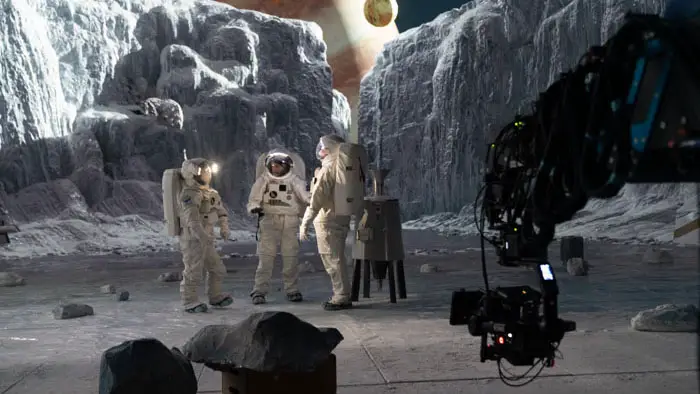
Behind the scenes on Europa (2025), with the crew filming astronauts on an icy Europa set.
“…launches a mission to Jupiter’s moon, Europa, as humanity’s final hope.”
As both a short film and an environmental tale, Europa is quite impressive. Rosenthal said that, as a kid, she connected with the ocean by collecting shells, and making Europa gave her a chance to “wonder about our place in the universe and [our] global footprint.” A theme she explores is whether humanity should better manage our living environment for the long-term or exploit it for short-term gains.
What’s even more impressive is Rosenthal’s collaboration with Sony to produce the film at USC’s Entertainment Technology Center. The center offers students Sony’s cutting-edge virtual production technologies to tell stories using Sony’s Crystal LED stage and virtual production toolkits. Europa not only offers a gorgeous moonscape, but it also gives film students the tools to create an epic as impressive as Stanley Kubrick’s 2001: A Space Odyssey. Story is everything, and Jacqueline Elyse Rosenthal makes the most of this cutting-edge technology to create a big-studio epic.
"…create a big-studio epic."