NOW IN THEATERS! In Kazuya Shiraishi’s Bushido, honor is not just a code to live by, but a burden that can destroy everything around you. The film turns patience, sacrifice, justice, and revenge into pieces on a board, showing how one wrong move can echo through an entire life.
Kakunoshin Yanagida (Tsuyoshi Kusanagi) is a fallen samurai living in Edo with his daughter, Okinu (Kaya Kiyohara), after being driven from his clan by a false accusation that involved his dead wife. Once a man of standing, he now makes seals for a living and struggles to keep up with rent, but he still carries himself by the old samurai code. His one refuge is the Chinese game of Go, where his calm, exact play reflects the discipline he brings to every part of his life.
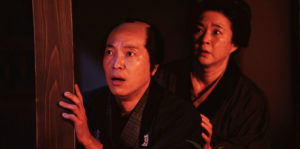
In the tenement and Go parlor world around him, Kakunoshin crosses paths with Genbei Yorozuya (Jun Kunimura), a pawnshop owner with a reputation for being hard and stingy. What begins as a tense encounter over a game slowly turns into mutual respect, especially after Kakunoshin surrenders in order to maintain the peace against a hot-headed Genbei.
At home, Okinu tries to hold their small life together while her father searches for work, and the two quietly endure the kind of poverty that leaves no room for mistakes. Then a stolen money accusation drags Kakunoshin into disgrace all over again, putting his name, his pride, and his daughter’s future on the line. A brothel madam pays Kakunoshin’s debt, but warns him that if he doesn’t repay the full amount by New Year’s, Okinu will become an escort at the brothel.
“Kakunoshin has only one option: leave town, uncover the truth about his dead wife, and take revenge on the man who drove her to suicide.”
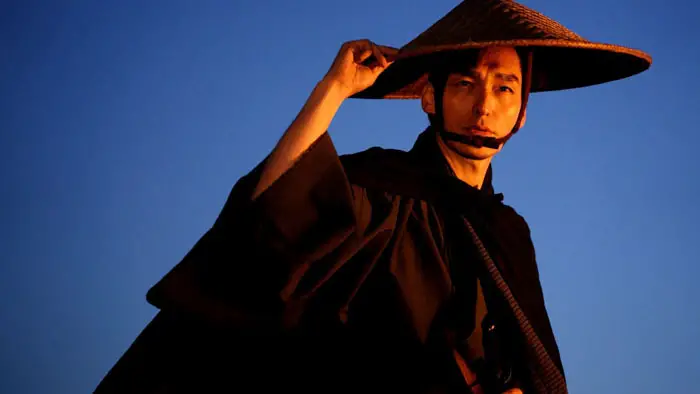
Kakunoshin has only one option: leave town, uncover the truth about his dead wife, and take revenge on the man who drove her to suicide. Oddly enough, his journey leads him to a deadly game of Go.
I suppose you could call Bushido a sports drama, as the lessons and strategies Kakunoshin employs in the game, he also applies in life. For example, in the first match we watch, Kakunoshin sacrifices some of his pieces to ultimately beat Genbei.
Moreover, Bushido is about honor and justice. Kakunoshin is framed twice in the movie and is willing to sacrifice everything, including his daughter, to find his wife’s killer and exact justice. At the same time, he is bound by honor and the samurai code. Making things even more interesting, Kakunoshin runs into other fallen samurai whose stories and stations in life mirror his in some ways while differing sharply in others.
I love Bushido the same way I love Westerns. There are rules and laws you must follow, and when someone breaks the law, there’s no cavalry coming; you are the law, and you must stand up to the bully to see justice take place. Yet at the heart of the film is the unlikely friendship between Kakunoshin and Genbei. Tsuyoshi Kusanagi plays Kakunoshin as humble, wise, and deadly. Jun Kunimura’s Genbei is the wise de facto figurehead of the town. It’s this friendship that colors every action and, of course, is put to the test in the end.
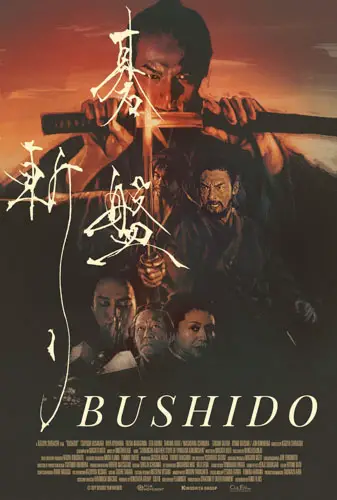
Bushido is an epic story, but instead of warring samurai factions fighting it out on the open plain, the battle takes place on a 19-by-19 lined gameboard. Don’t get me wrong, there is swordplay, but here, even a game of Go has never felt more dangerous.
"…even a game of Go has never felt more dangerous."