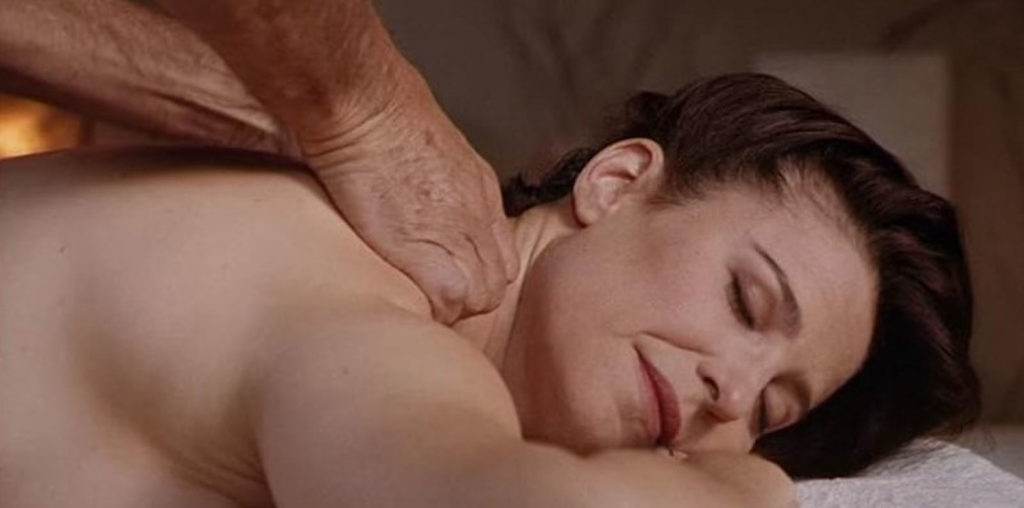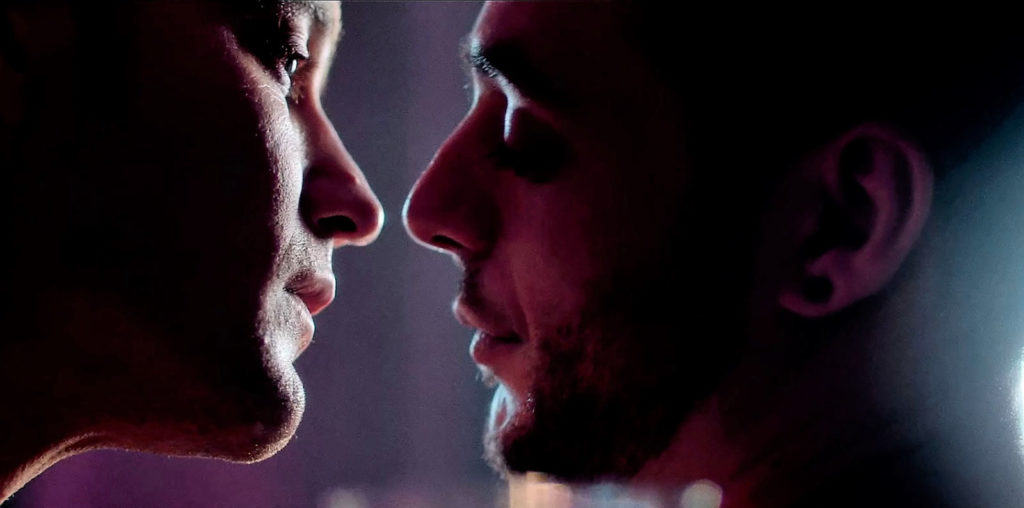
Co-writer/co-star/director Maiara Walsh and co-writer/co-star Cameron Cowperthwaite’s Bight is a blisteringly brilliant debut feature that sizzles with Adrian Lyne’s carnal shadows and soft textures spliced with the nihilism and social critique found in Bret Easton Ellis’s work. The picture opens with Atticus (Cameron Cowperthwaite), a disillusioned artist, and his wife, Charlie (Maiara Walsh), a social media manager grappling with emotional baggage from a miscarriage. The couple is careworn, experiencing the aftershock of private injury and splintered vocational desires. Avoiding the issue, Charlie presses Atticus to accompany her to visit friends Sebastian (Mark Hapka), an assertively pretentious photographer, and Naomi (Maya Stojan), a painter with a secret connection to one of her guests.
The atmosphere is pleasant, though strained. There’s a tension drifting around the room, and each character responds to it in different ways. The meal unfolds pleasantly enough, and the warmth of the hosts flows liberally over the banquet table, albeit over-generously, especially with Sebastian’s frequent intellectual footnotes. But, as the evening develops, secret pressures and long-held confidences regarding their previous affairs become visible, leading to a significant psychological fallout among friends. But then Sebastian and Naomi place an indecent proposal on the table. Atticus is quick to refuse, and Sebastian doesn’t push. However, Charlie tries to rationalize the idea to her man. They are in an awkward place, and perhaps a transgressive experience might be transformative? This couple, torn between how they truly feel about each other and their loyalties to their vows, shall pit their hearts and commitment against a duo seeking an extreme experience to feel something authentic. People who are hastily flawless but internally cleft.
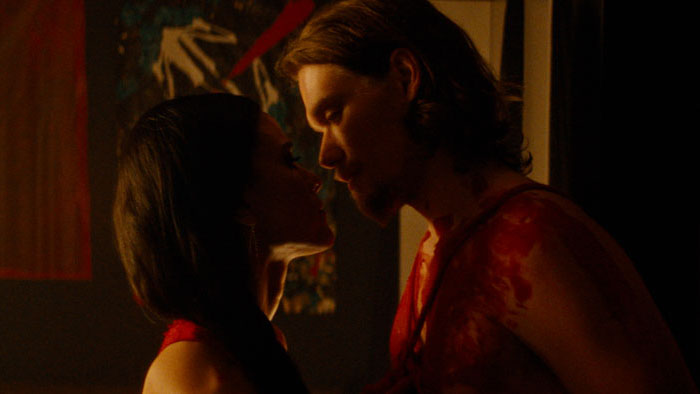
Charlie (Maiara Walsh) and Atticus (Cameron Cowperthwaite) confront desire and control in Bight (2026).
“…Sebastian and Naomi place an indecent proposal on the table. Atticus is quick to refuse, and Sebastian doesn’t push. However, Charlie…”
As Bight expertly unfurls, the once-popular erotic thriller genre is deified and heightened. The filmmaker plays around with control and desire, jealousy and betrayal. The writing shows how all the green-eyed monsters fueled by lust, ego, and vanity assemble as emotional devastation disintegrates into something loathsome, sinister, and sadistic. Bravo to the entire quartet of players, the scalpel-sharp screenplay by Cowperthwaite and Walsh, and to the aforementioned as director, for her courage and determination to not merely remind us of the passion and the power that used to make sensual whodunits the electrifying essential for cinema goers once upon a time in the 20th century.
Bight brings back stylish, sweaty, sexy, suspicion, and savagery in this both enticing and engaging intersection of vitreous aesthetics and ethical deterioration. See it!

"…brings back stylish, sweaty, sexy, suspicion and savagery..."