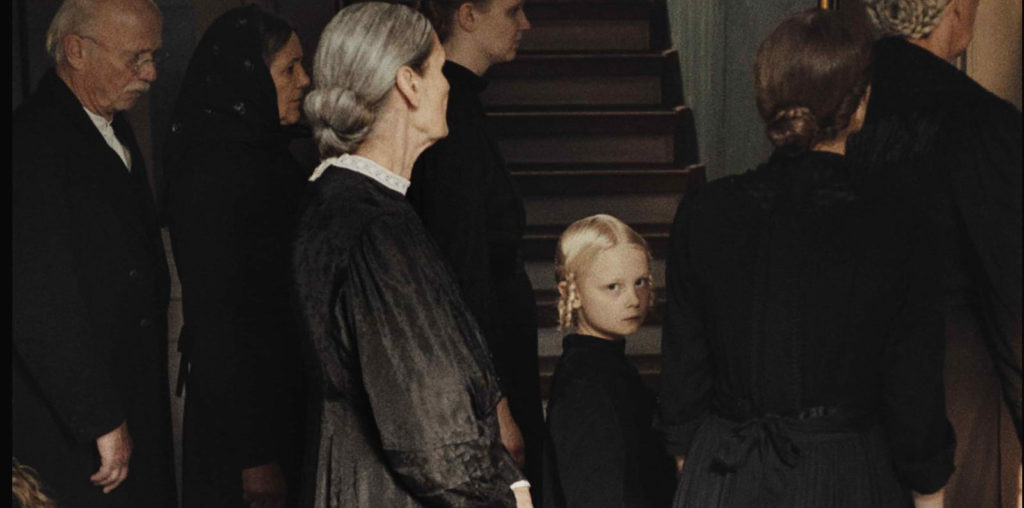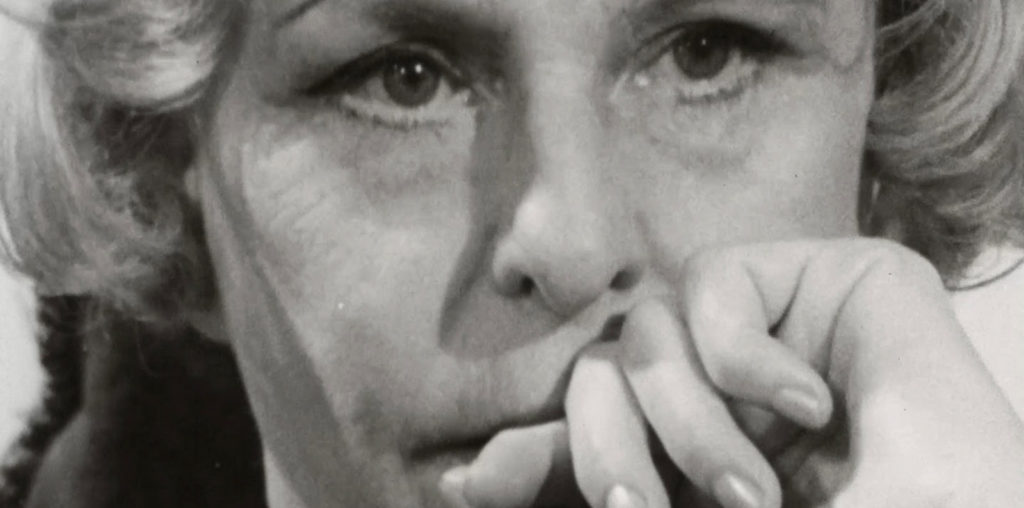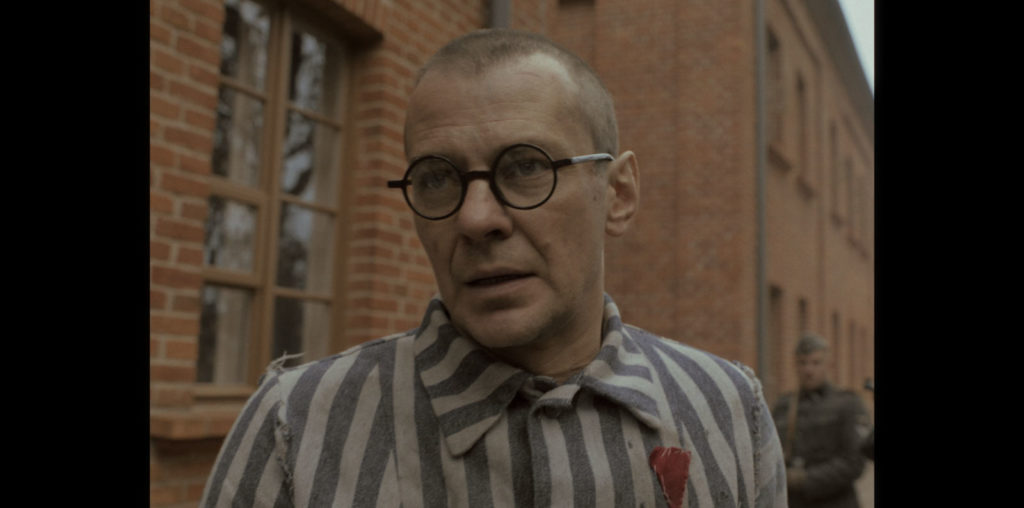
Roman Polanski’s J’Accuse, released internationally as An Officer and a Spy, is a brilliant exercise in controlled storytelling, visual discipline, and moral searching. I have also viewed another film, J’Accuse, a silent 1919 film famed for its non-heroic look at the horrors of the First World War on the minds and the soldiers’ bodies of France. Perhaps this was intentional on the part of the filmmakers for this contemporary film; if so, then it would be a masterstroke
This J’Accuse is a story of the French historical events known as the Dreyfus Affair, which exposed anti-Semitism within France’s military and political establishment, and has been filmed before. Yet never with this kind of clarity and outrage linking it to events today. Roman Polanski and co-writer Robert Harris created a meticulous story of conscience, turning a historical event and scandal into something urgent
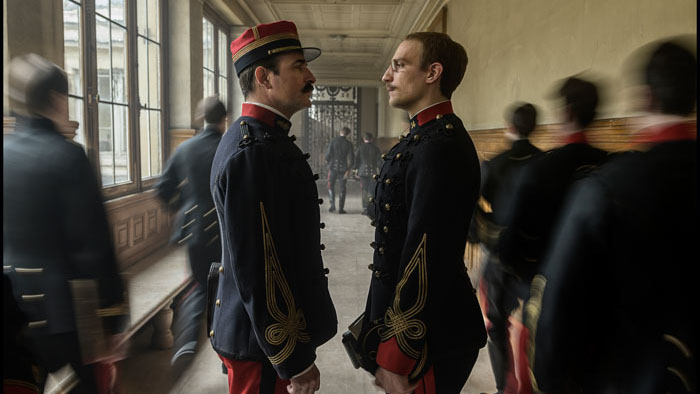
The film begins not with heroism, but humiliation at the public degradation of Captain Alfred Dreyfus (Louis Garrel), accused of High Treason. Before the assembled ranks, his insignias are ripped from his uniform; his sword is snapped. In the crowd stands Georges Picquart (Jean Dujardin), an officer whose disdain for Jews is tossed off much like a recipe with a line, “It was as though the Army was being cleansed of a pestilence.”

“…he uncovers evidence that Alfred Dreyfus…was framed, and the real spy remains free.”
Jean Dujardin’s performance as Picquart is restrained, almost machine-like. One can almost feel the tightness of his colours and his training. He plays a man who believes utterly in hierarchy and honour, until the machinery he serves reveals itself to be diseased. When Picquart is promoted to lead the army’s intelligence bureau, he uncovers evidence that Alfred Dreyfus, who has been incarcerated on Devil’s Island, was framed, and the real spy remains free. His loyalty curdles into doubt; his conscience becomes his enemy. The film follows his dangerous decision to pursue the truth through the Military General staff, the Cabinet levels of French bureaucracy, knowing it will destroy him.
Roman Polanski stages this transformation not as melodrama but as moral suspense. J’Accuse moves with the clockwork precision of an older Hitchcock thriller such as The 39 Steps. The camera glides through rooms heavy with cigar smoke, mirrors, and coded conversations. The editing is classical, unhurried, exacting. This is a director who understands the geometry of a frame and how to let tension accumulate in silence. Every shot feels weighed and measured.
"…belongs to that lineage of classical cinema pulsing with modern moments. "